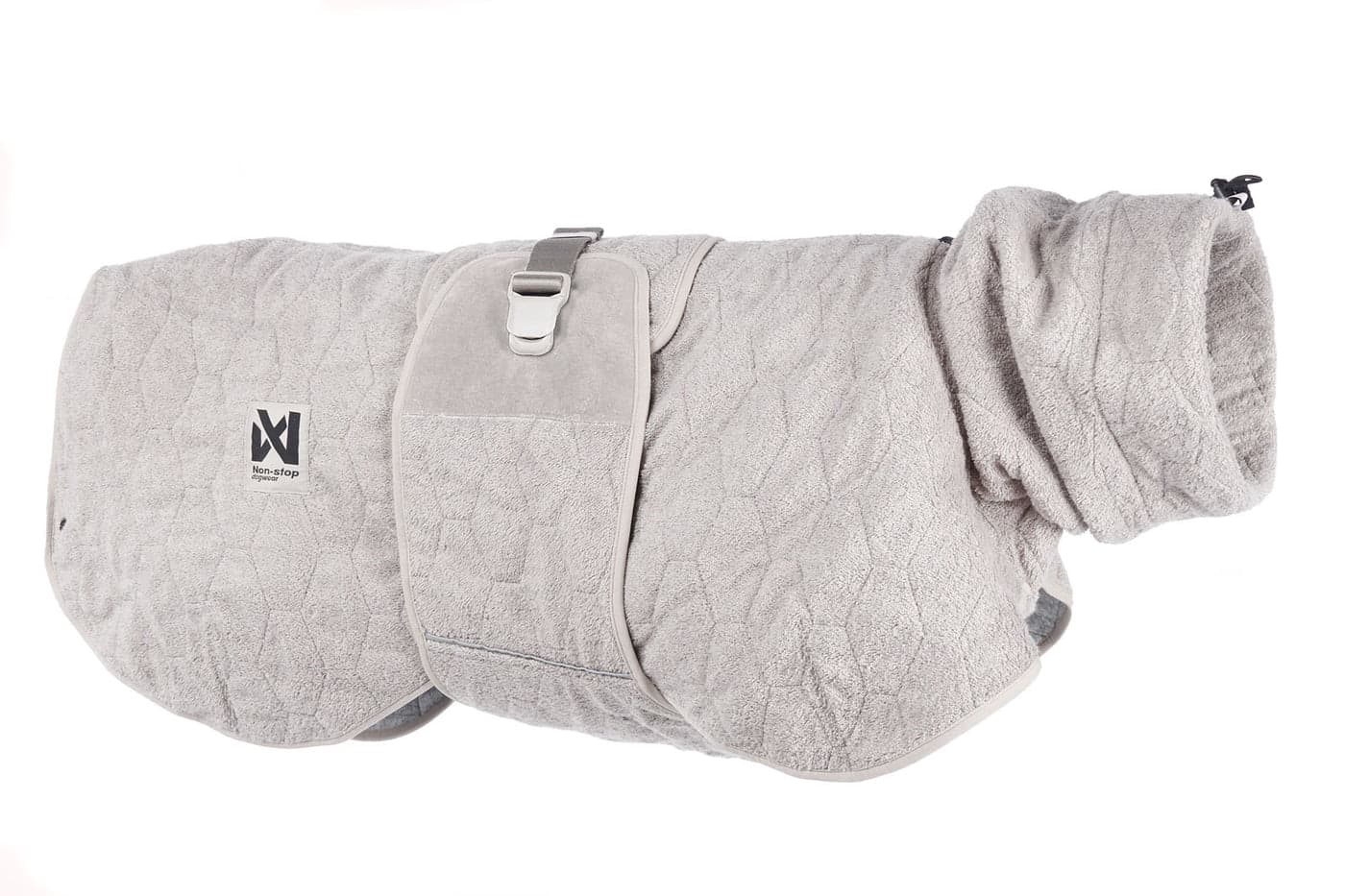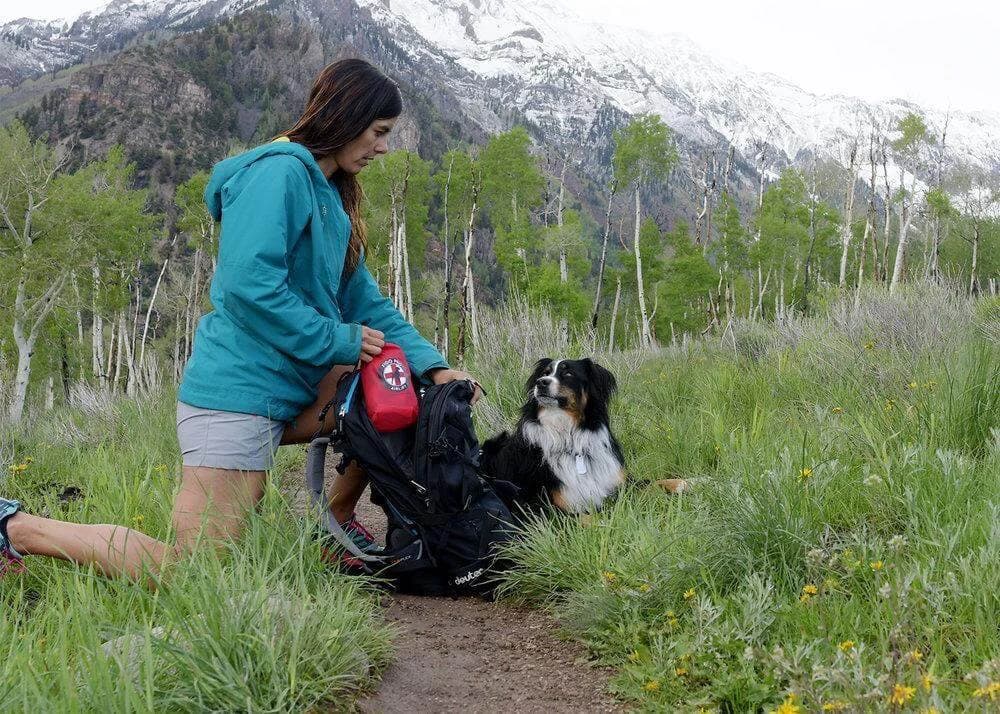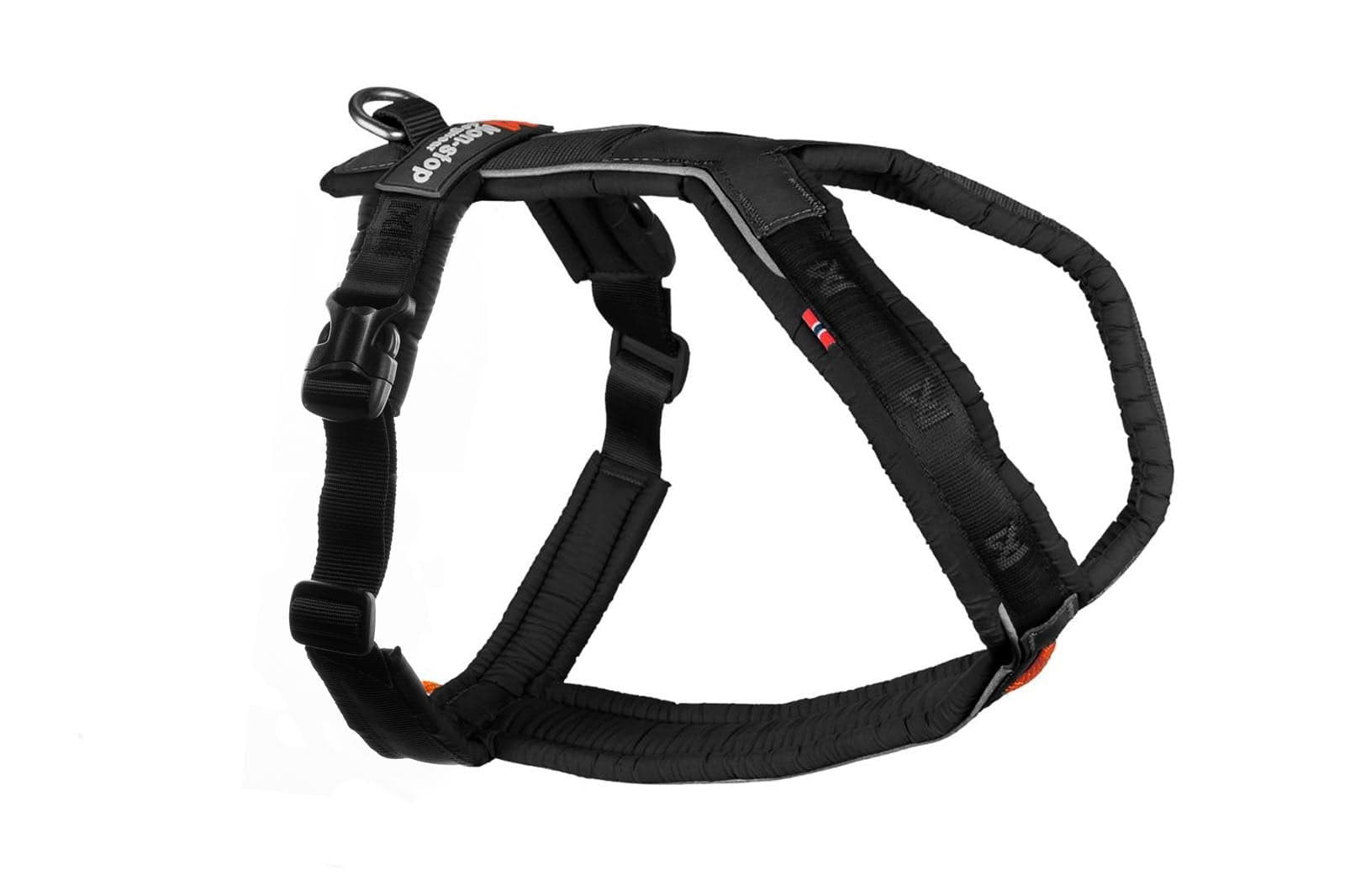
The most athletic fit in this group. Its Y-shaped neck, multiple line attachments, 3M reflective details, closed-cell foam, Hypalon reinforcements, and broad size range prioritize free shoulder movement and low chafe.
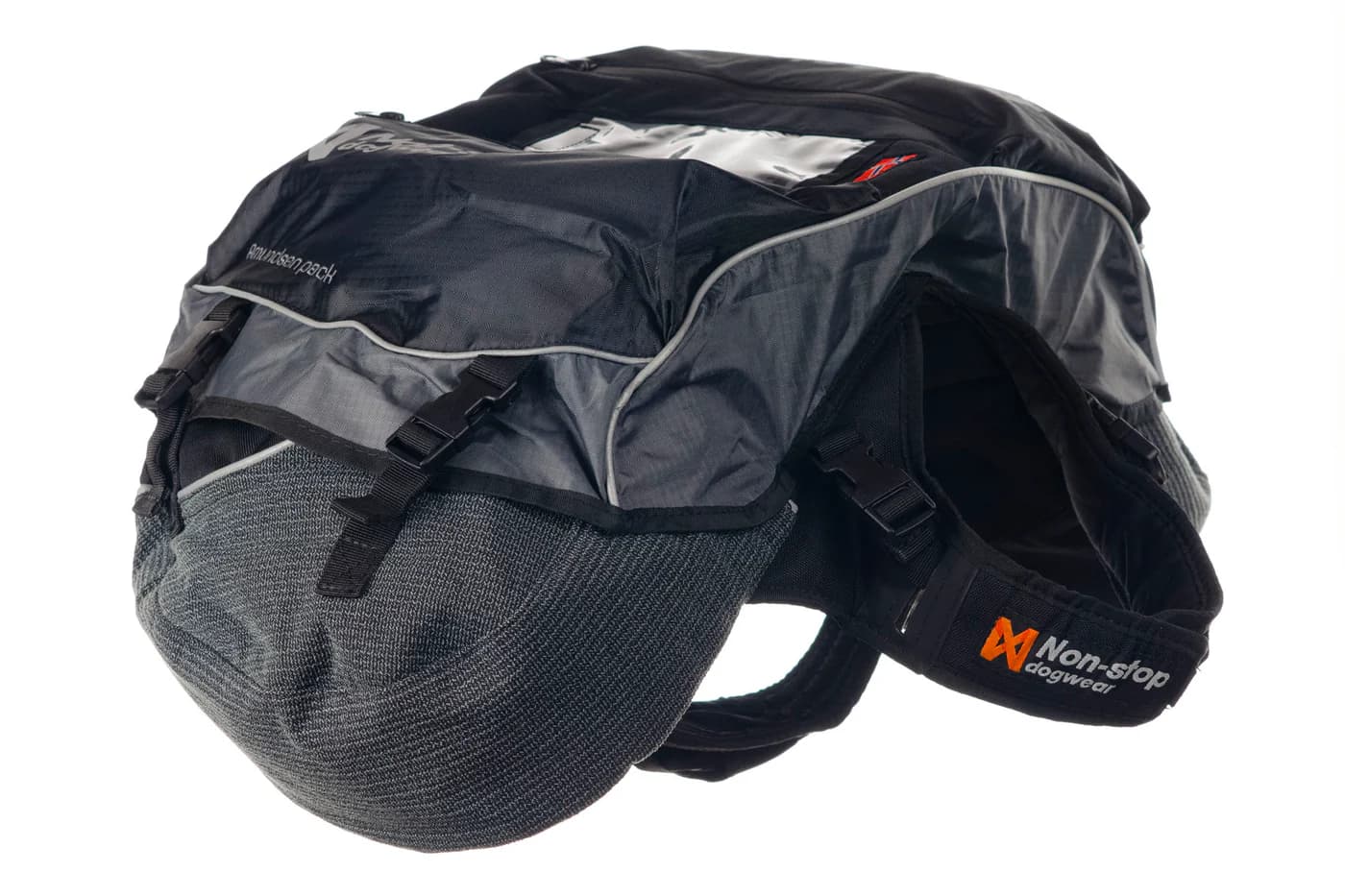
A heavy-duty expedition pack with aramid-reinforced roll-top bags, a ripstop rain cover, broad chest plate, extensive adjustment, reflective details, and 15-55 L capacities. It is the most capable load carrier here, but also the heaviest and most specialized, and the brand explicitly says it is not waterproof.
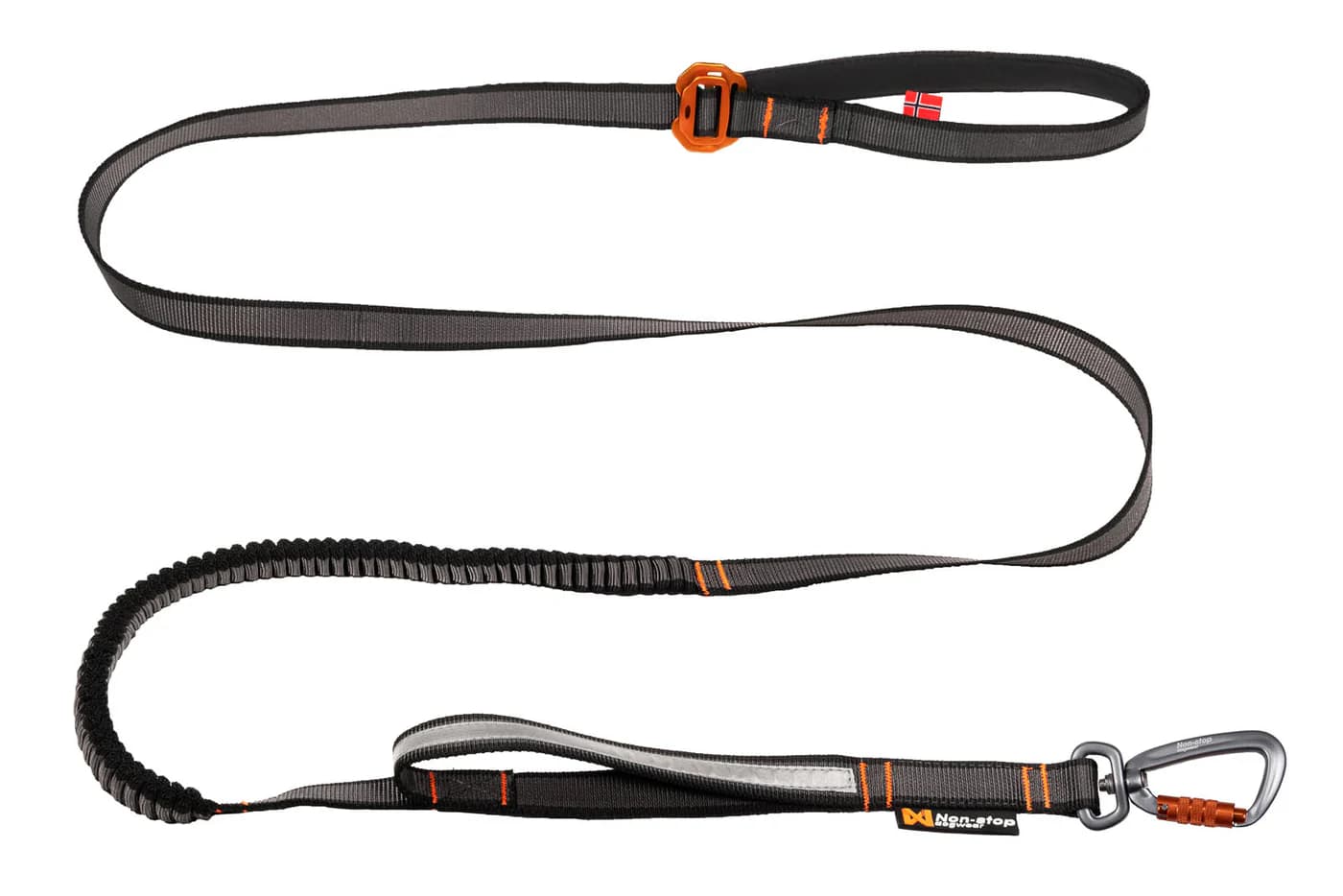
A purpose-built elastic leash that switches between waist-worn, hand-held, and tether configurations. Its 300 kg-rated twist-lock carabiner, traffic handle, neoprene-lined grip areas, 3M reflective material, and two widths make it the most complete technical system in this group.
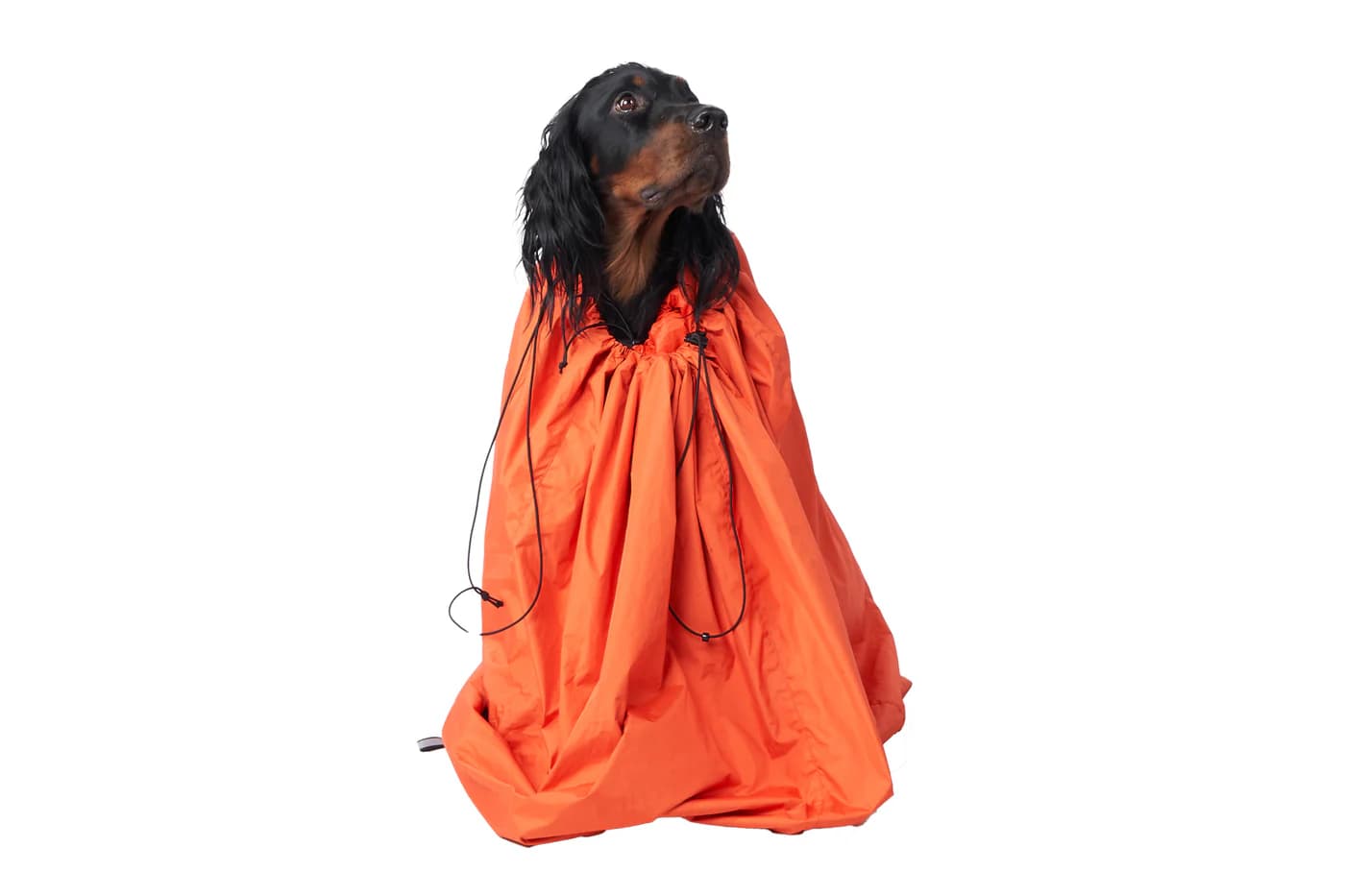
A premium two-layer bivvy system whose weather-resistant outer and insulated inner can be used together or separately. The maker specifies a windproof shell, 7,460 mm water column, recycled PrimaLoft insulation, reflective details, stake loops, adjustable openings, and S-L sizing. It is the most protective and configurable choice here, but ground insulation is improved by adding the separately sold Protector Bivvy Bed.
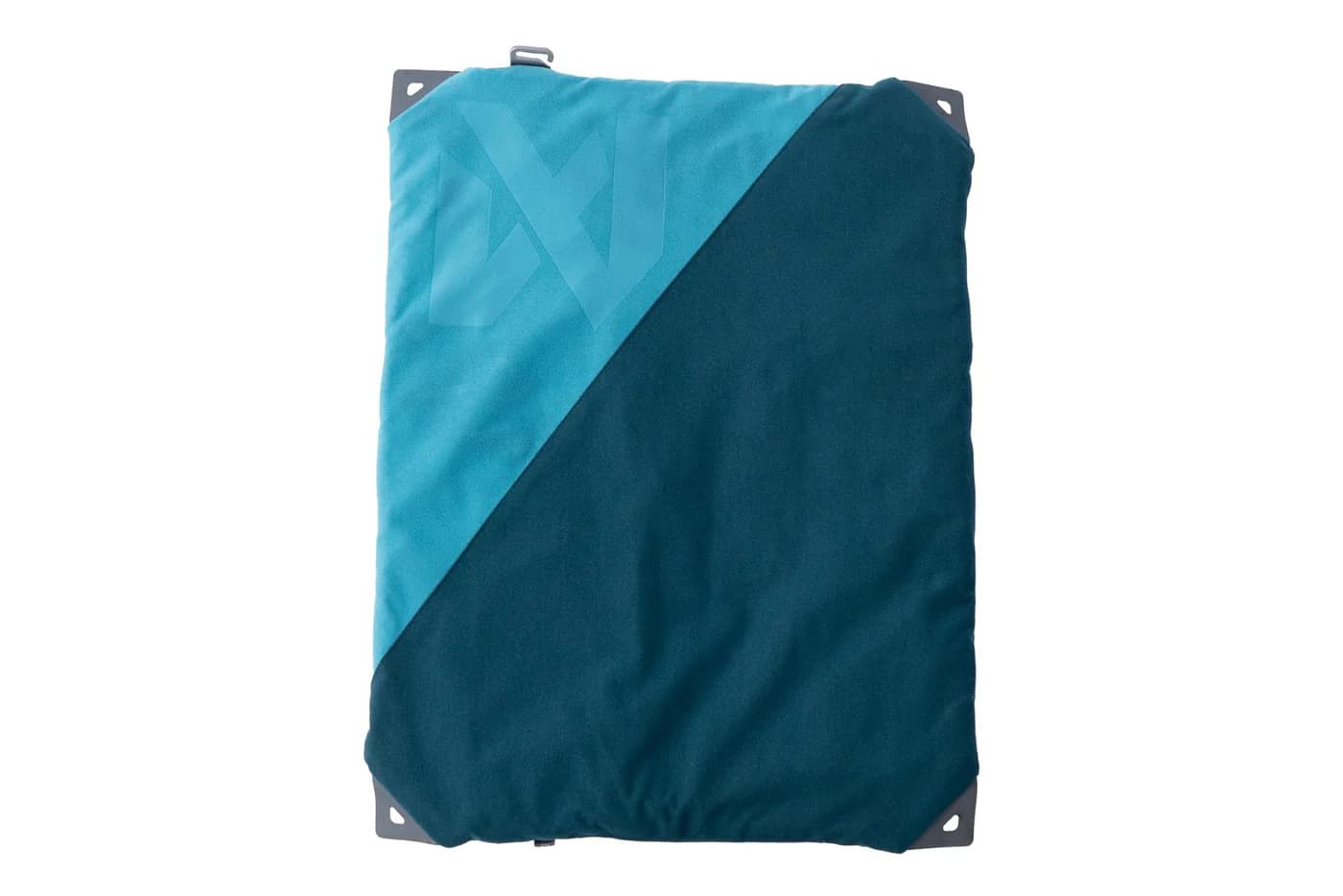
A lightweight insulated mat with a microfleece top, water-resistant ripstop base, Hypalon-reinforced stake holes, and a roll-up rail-and-buckle system that can attach to a pack. S weighs only 169 g, M 363 g, and L 590 g. It is excellent for breaks, mild camps, and dogs that dislike enclosed bags, but it supplies no windproof top layer.
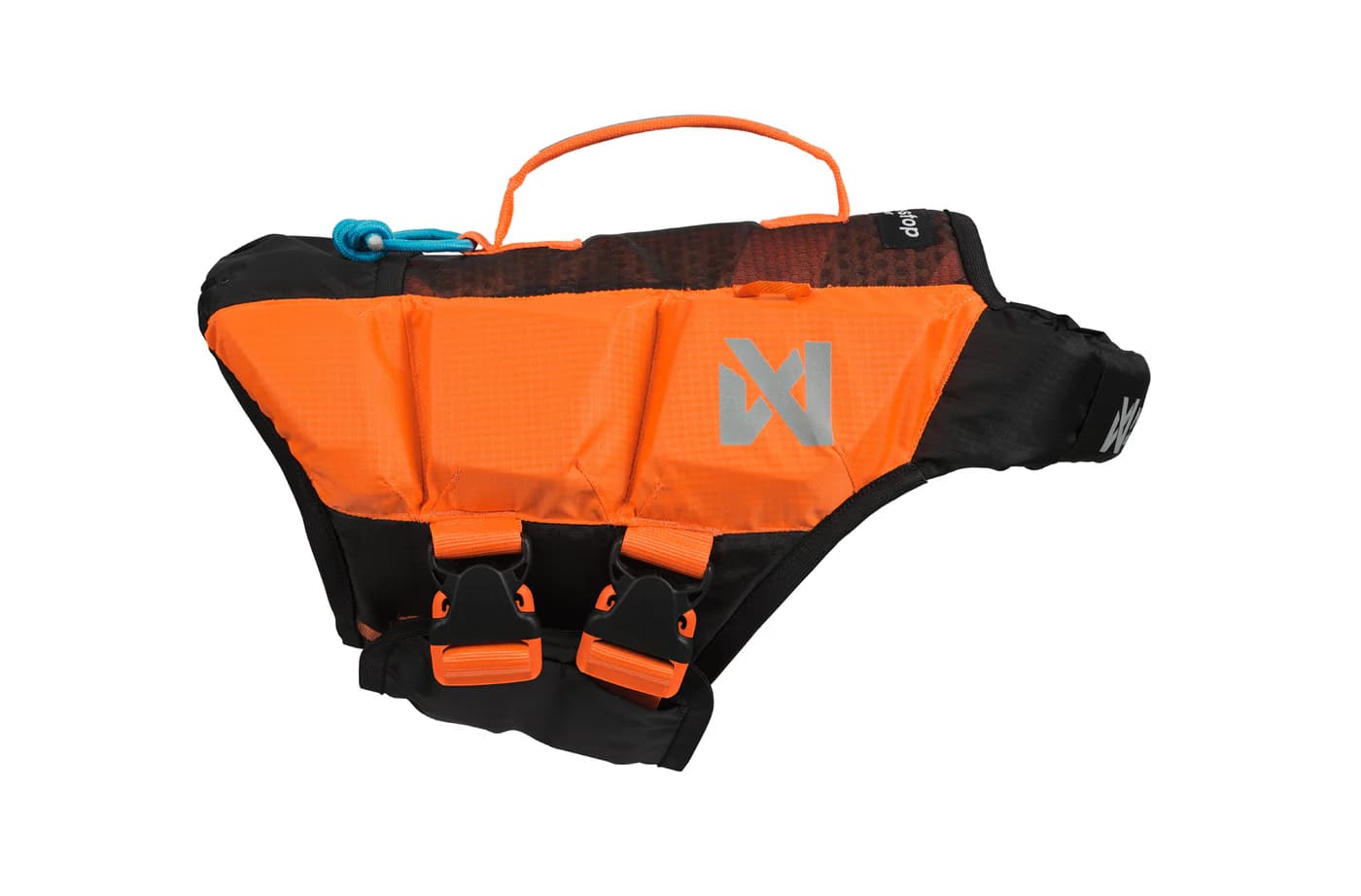
A technical vest that puts segmented closed-cell foam along the sides and breathable HexiVent material over the back. Its SAFE-R buoyancy construction, SAFE-T wrap fit, rear leash point, and mobility-focused cut make it the strongest performance-oriented option in this group. The black/orange version adds two side leash points; other colorways do not.
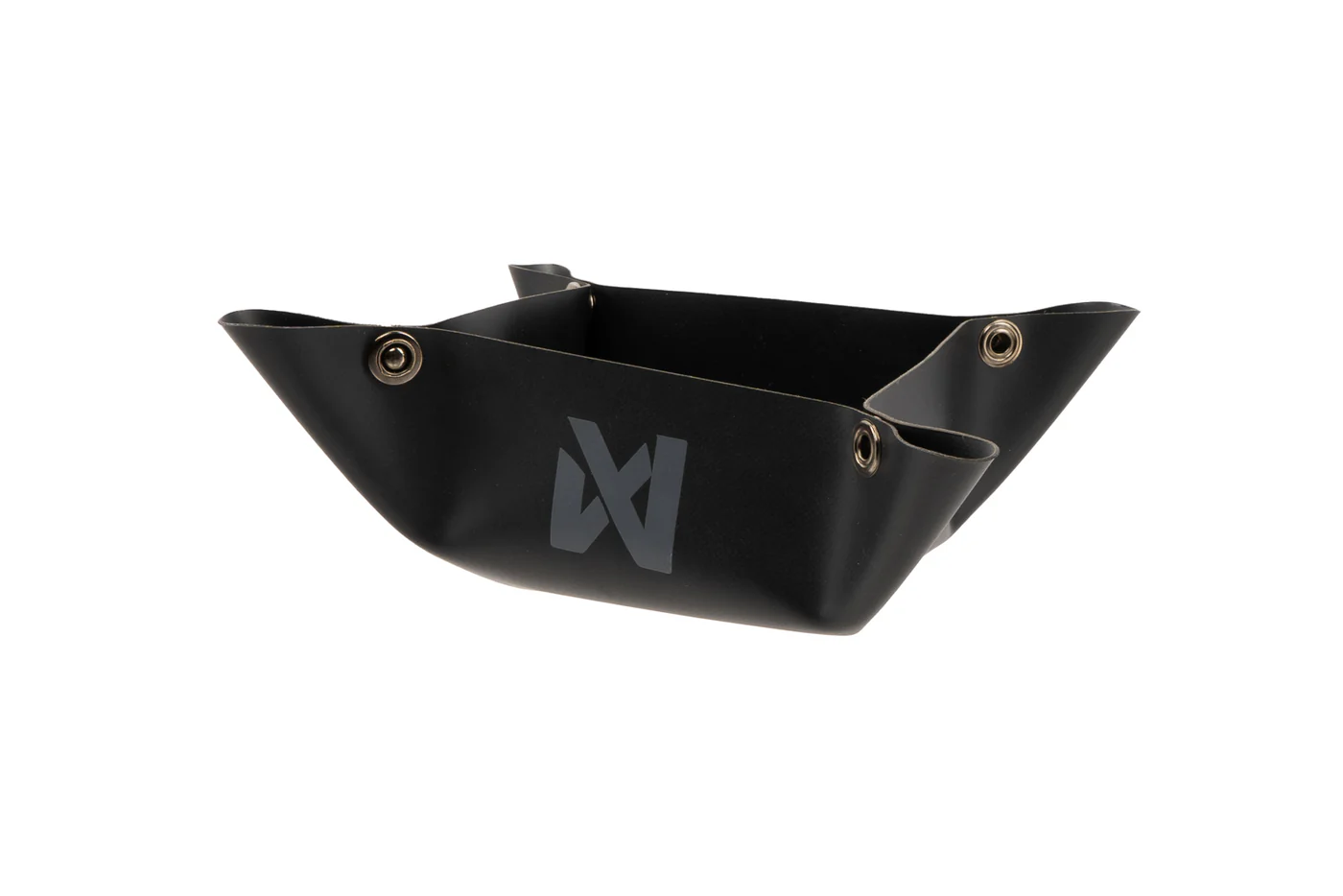
The Trekking Bowl folds completely flat and becomes a square bowl by fastening the corner snaps. PU-coated polyester holds either food or water, while 0.75 L and 1.5 L sizes cover quick trail breaks and larger camp meals. It is simple and space-efficient, but the storefront lacks a transparent aggregate review score and the snap-corner shape is not as rigid as silicone.
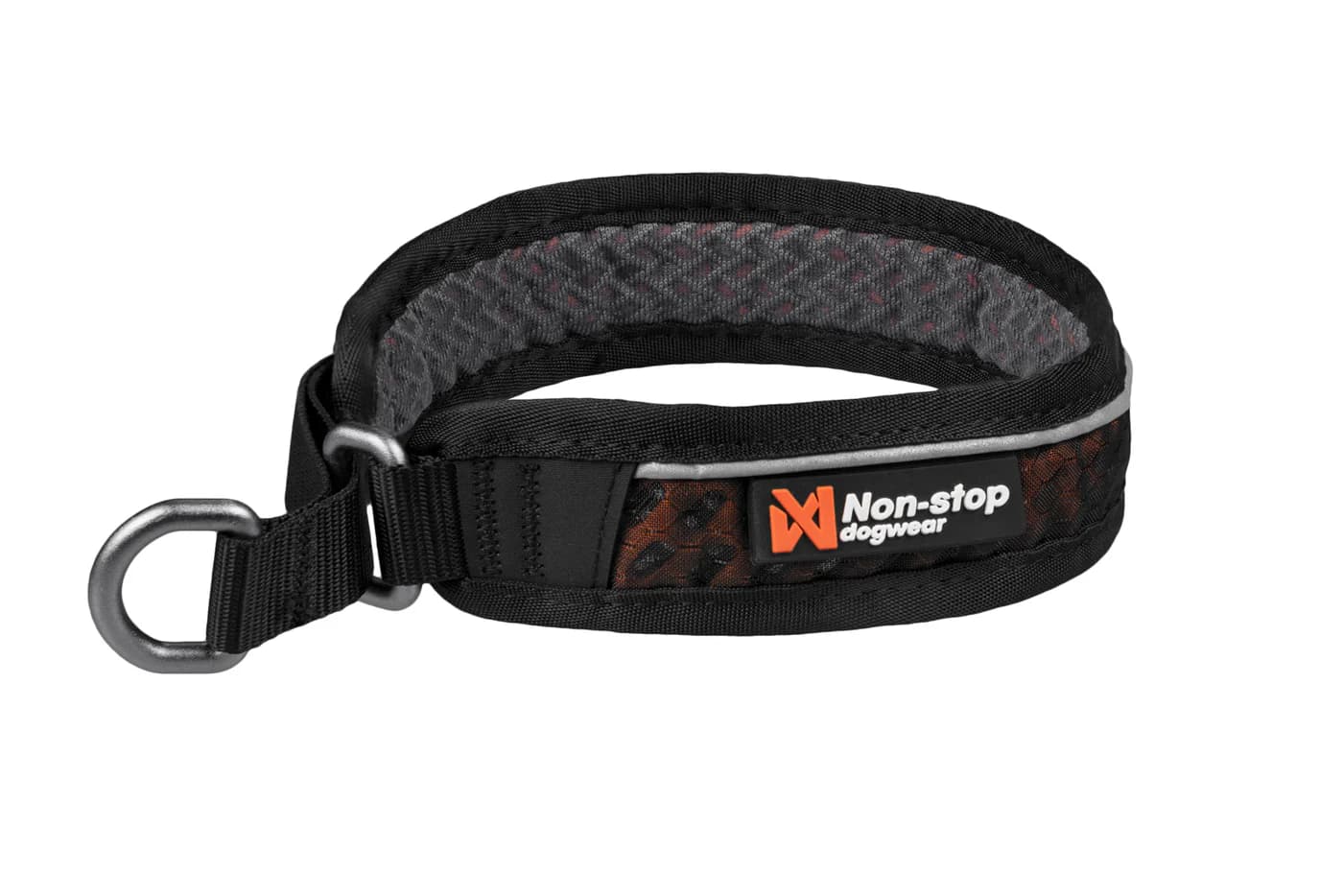
The Rock Collar 3.0 is the most technical warm-weather option here. HexiVent triple-layer mesh dries quickly, smooth inward-facing seams reduce chafing, 3M reflective piping encircles the padded section, and a limited-slip design improves retention. It must slide over the dog's head and be fitted correctly so its tightening range never restricts breathing.
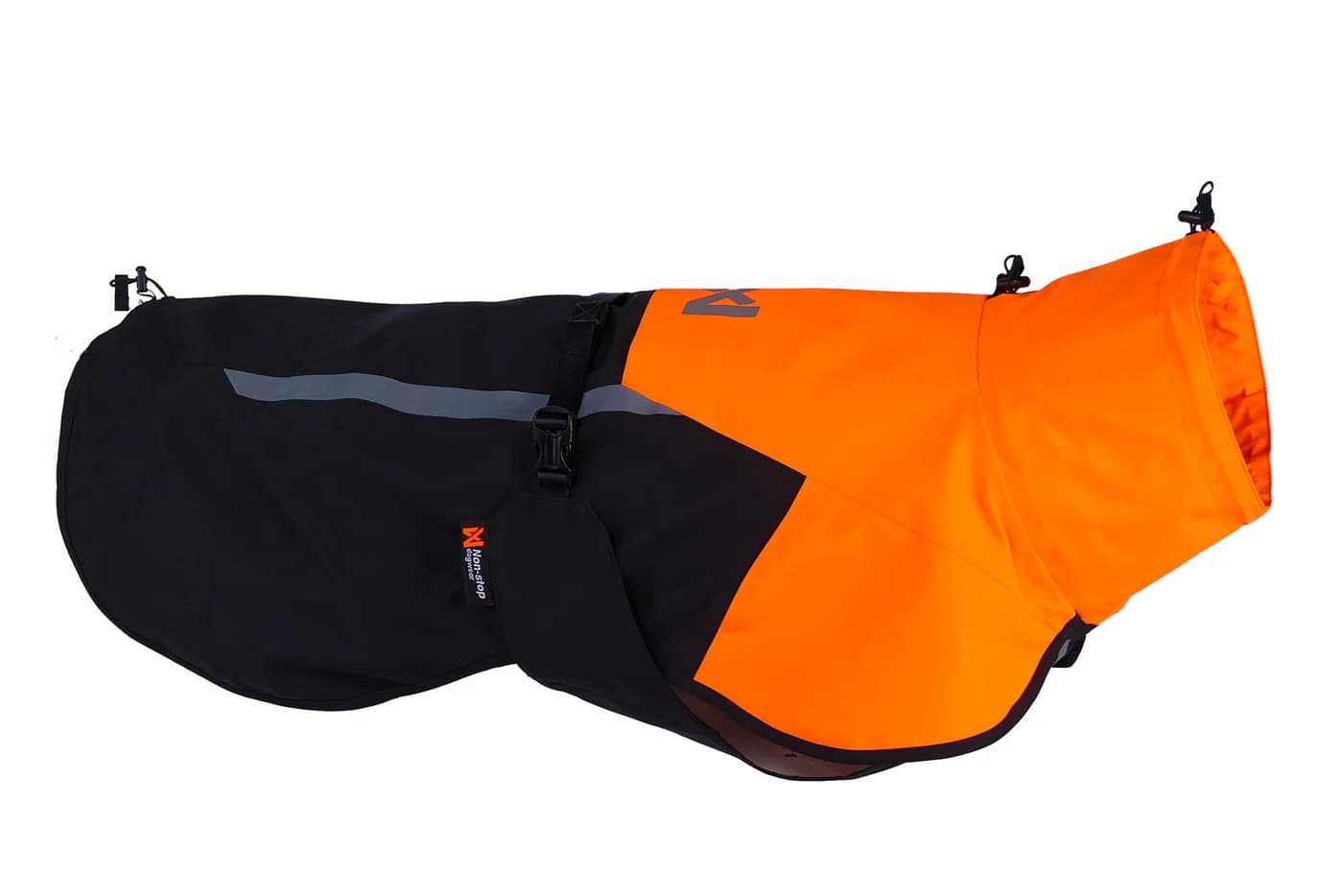
The Fjord raincoat 2.0 pairs a 20,000 mm waterproof rating with 20,000 g/m²/24hr breathability, taped seams, drainage holes, a harness opening, and a compression bag. Its published performance and hiking-specific mobility make it the strongest technical shell here, although it lacks a collar-specific leash opening and transparent aggregate reviews.
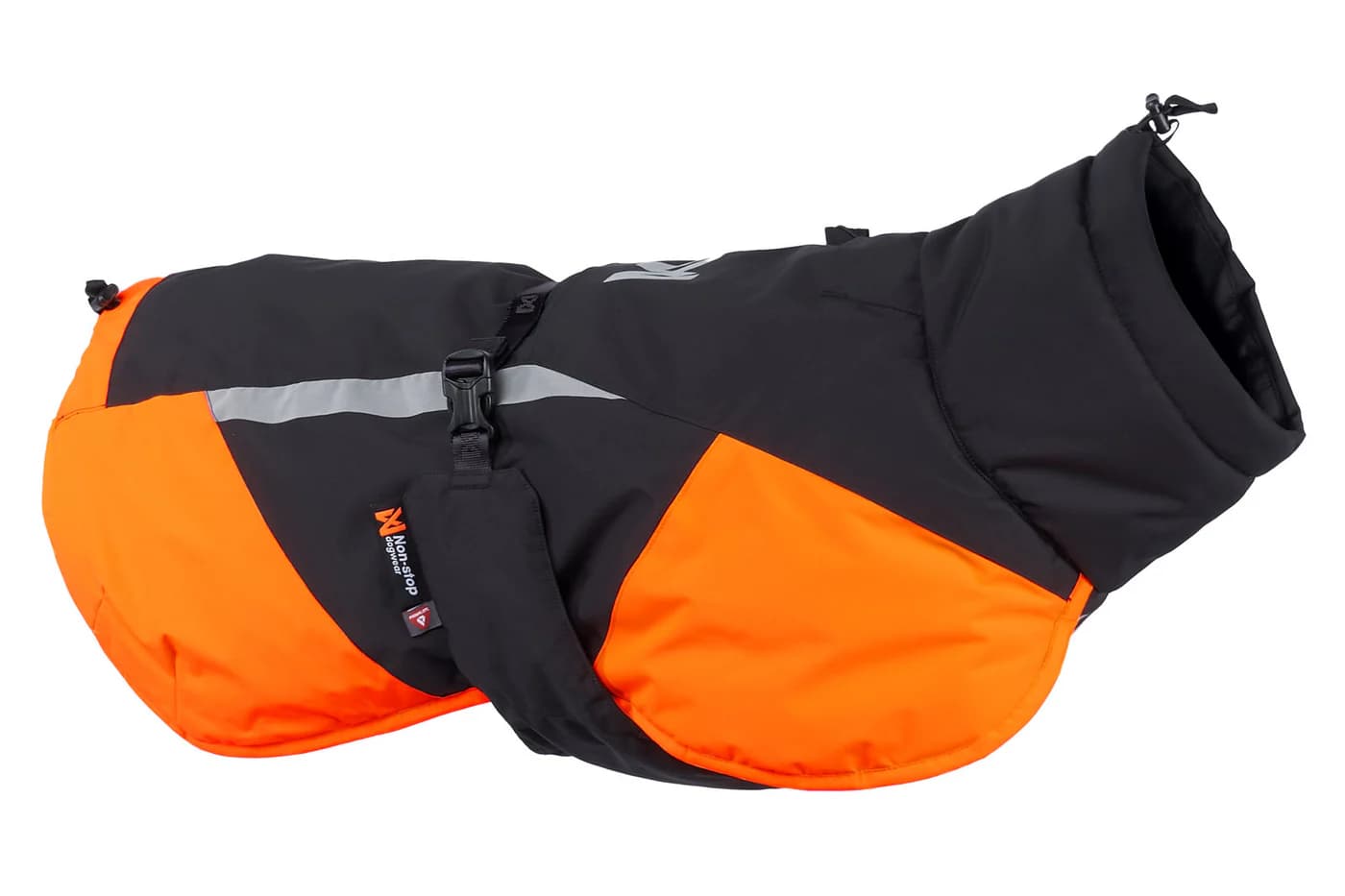
The Glacier jacket 3.0 uses PrimaLoft Black Insulation Eco, a 20,000 mm-rated shell, 20,000 g/m²/24hr breathability, reinforced panels, and ergonomic shaping for active winter use. It is unusually warm, packable, and movement-friendly, but the brand classifies it as water-repellent rather than a fully waterproof raincoat and publishes no aggregate reviews.
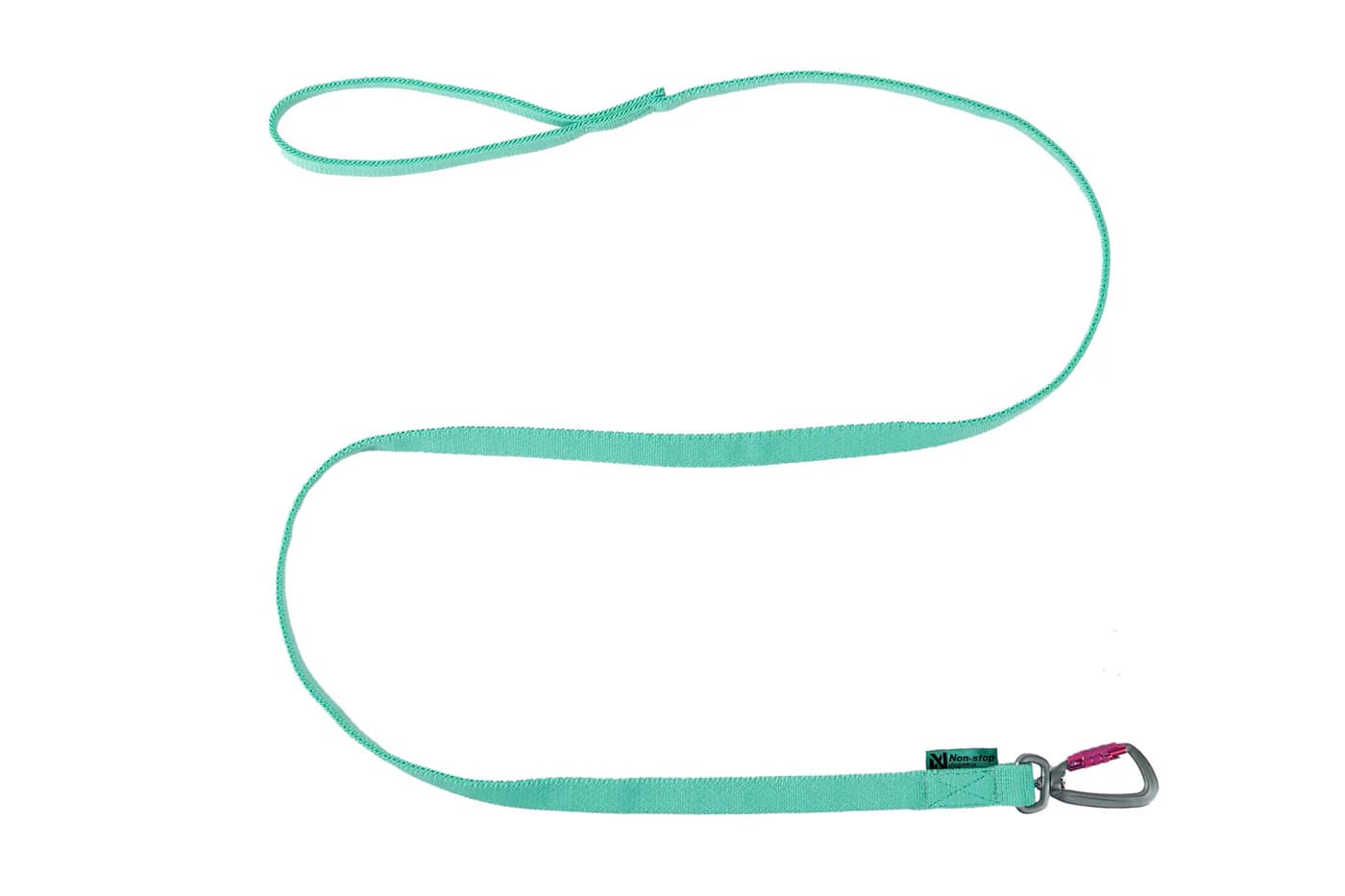
A fully elastic 2.0- or 2.8-meter line designed for canicross, bikejoring, and skijoring. It belongs in this ranking only as the specialist choice when pulling is intentional: it makes sustained pull more comfortable and must not be described as an anti-pull or training leash.
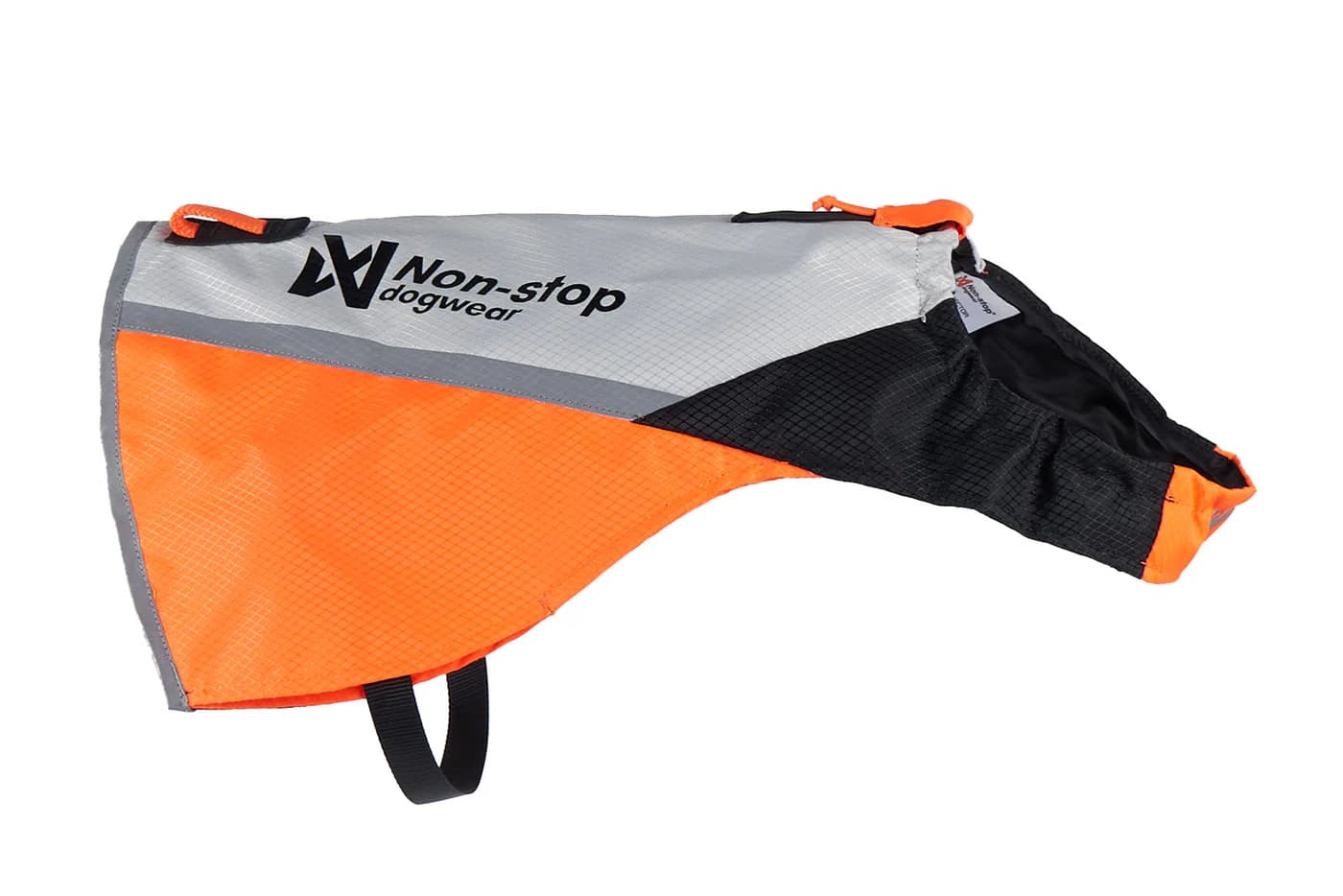
Protector Cover 2.0 is shaped for freer movement through fields and woods, using ripstop polyester, internal battens, EVA padding, Hypalon reinforcements, 3M reflective details, and protected adjustment hardware. Side color blocks help identify which direction a dog faces, and dedicated loops accept a light, tag, or tracking line. It is expensive for a visibility layer and lacks a public review history on Chewy.
How to Choose a Leash for a Dog That Pulls: 7 Designs and Where They Fit