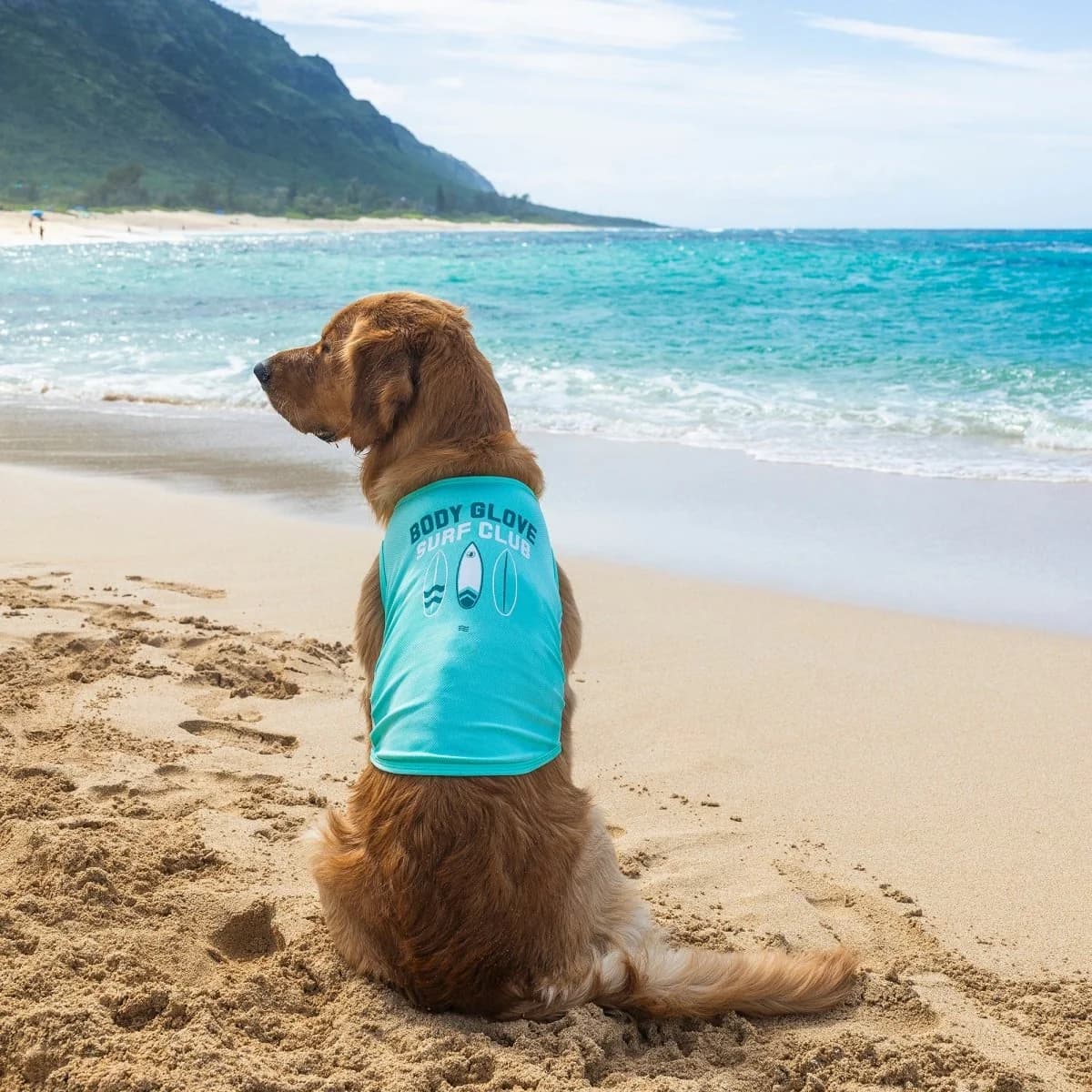
Body Glove's Pet Sun Shirt uses a documented polyester body, mesh side panels, reflective accents, and UPF 30+ fabric. It covers seven sizes from XS through 3XL, with chest measurements from 15.5 to 34.5 inches, and every listed color-size combination was available when checked. Its mesh detail and accessible price make it a useful conventional shirt, although its published protection rating is lower than the UPF 50 or 50+ claims on several higher-ranked models and its public-review sample is extremely shallow. Reflective trim is only passive visibility assistance, not a light or traffic-safety guarantee. The shirt is not waterproof, a cooling system, or a flotation device. Confirm that mesh, seams, and leg openings do not rub; machine wash cold, tumble dry low, and supervise any water exposure.
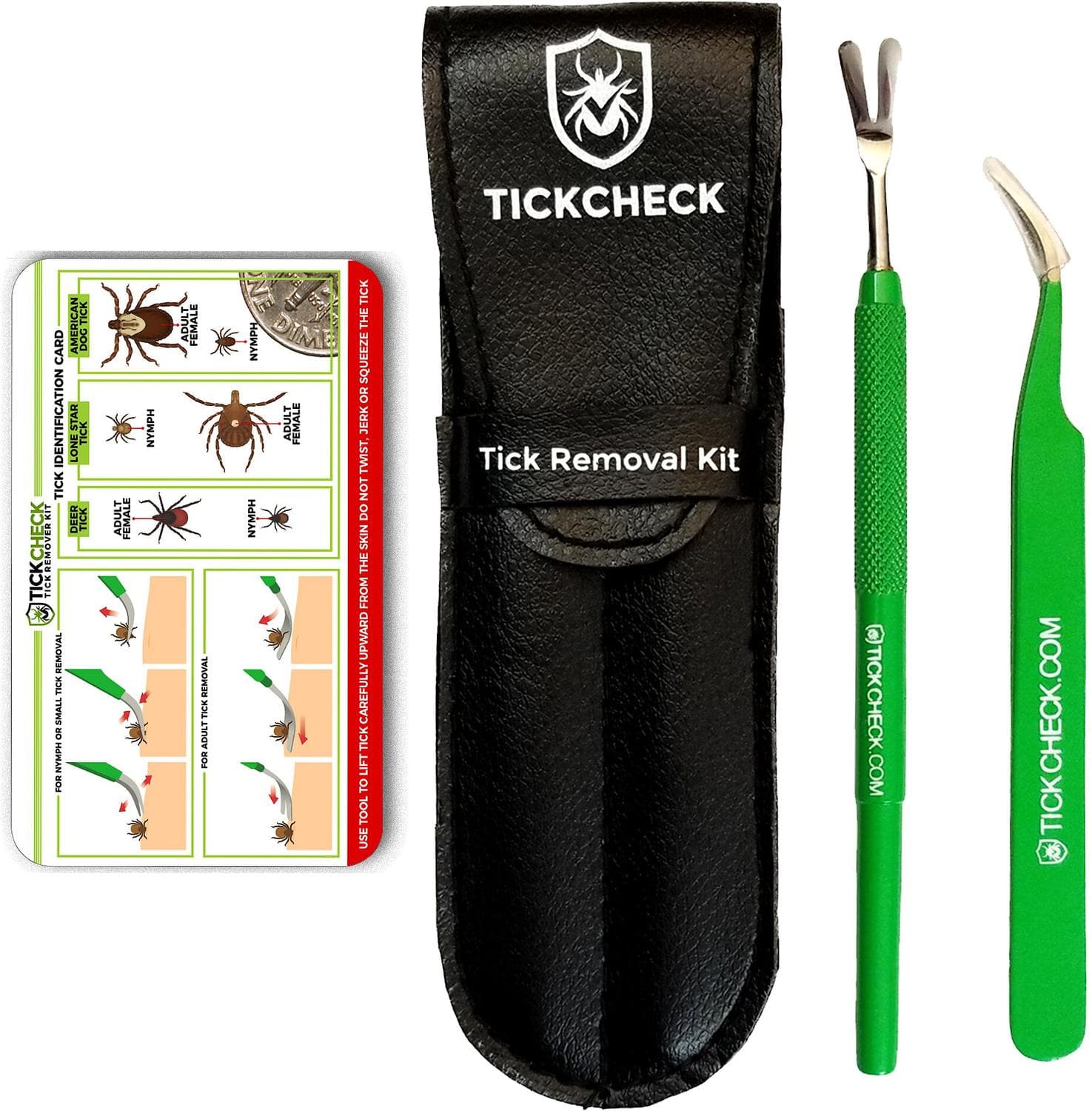
10 Best Tick Removal Tools for Dogs for Hiking and Outdoor Checks
Ten currently orderable tools compared from exact manufacturer and retailer pages, with removal method, material, dimensions or package size where published, included pieces, trail portability, current price, public review evidence, and exact-product media checked separately. This is a research-based gear comparison, not hands-on testing or veterinary advice. CDC guidance favors clean fine-tipped tweezers, grasping the tick close to the skin and pulling upward with steady, even pressure; specialized tools that instruct rotation are described according to their makers without claiming superior medical effectiveness.
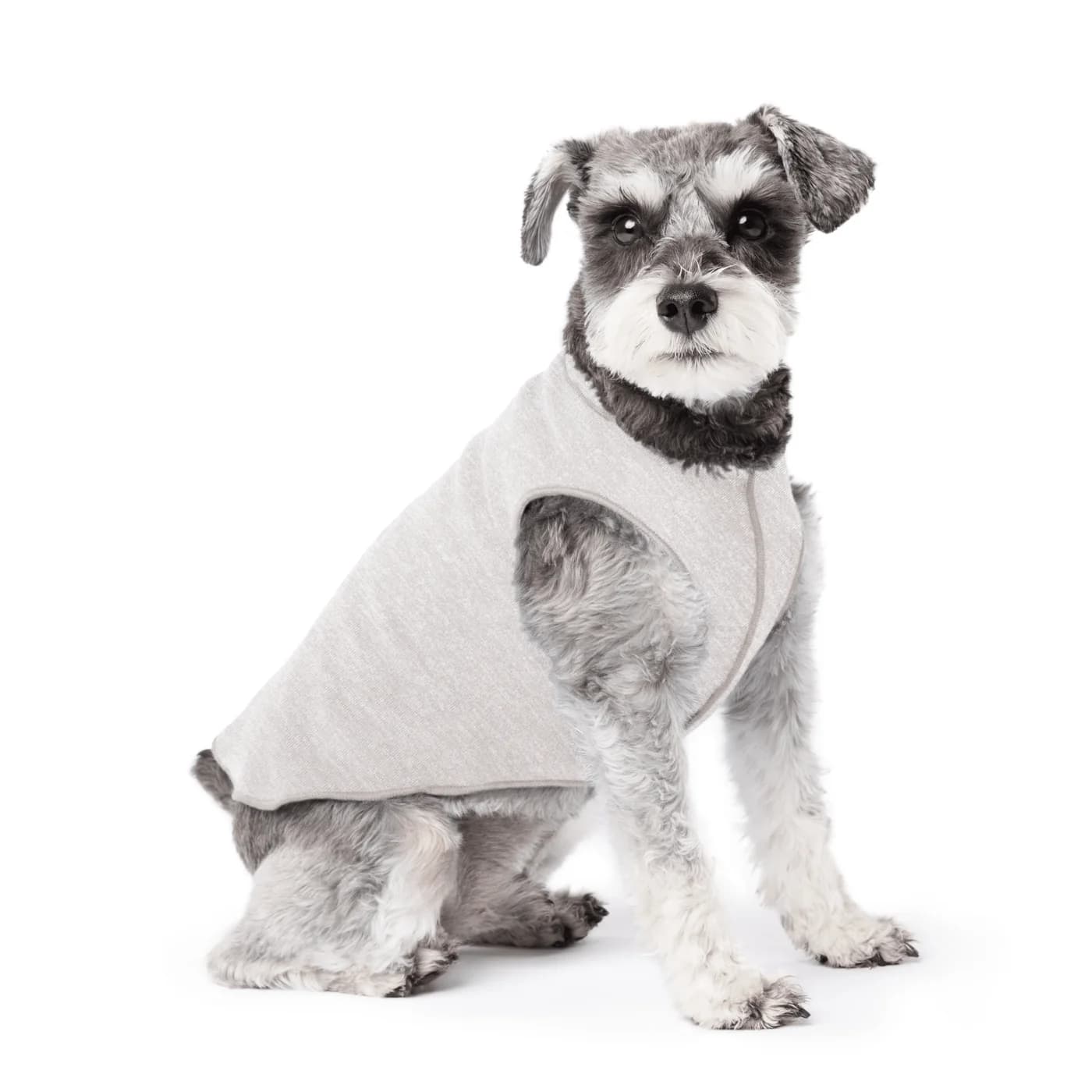
10 Best Dog Sun Shirts for Hiking, Beaches, and Outdoor Time
We compared ten currently orderable dog sun shirts using the exact maker's published UV or UPF claim, covered-body area, fabric and care information, size range, current U.S. orderability, exact-product images, honest public-review depth, supported official media, and genuine direct discounts. Outdoor Pet Picks has not hands-on tested these shirts. A fabric rating applies to the material and the skin it actually covers; it does not protect the head, eyes, nose, paws, groin, or exposed coat, and performance can be reduced by poor fit, damage, stretching, wear, or incorrect care. A shirt is not sunscreen, shade, drinking water, a cooling guarantee, a life jacket, or protection from heatstroke. Ask a veterinarian how to protect a dog with hair loss, photosensitivity, skin disease, medication-related sun sensitivity, or a recent procedure. Choose a non-restrictive fit, introduce the garment during a short supervised session, check the neck, shoulders, armpits, chest, belly, seams, zipper, and leg openings for pressure or rubbing, and remove it immediately if the dog becomes distressed, unusually hot, wet and chilled, restricted, or unable to move normally. Shorten activity in heat, use reliable shade, offer fresh water, avoid hot surfaces and peak sun, supervise all water activity, and use a properly fitted canine flotation device when one is needed.
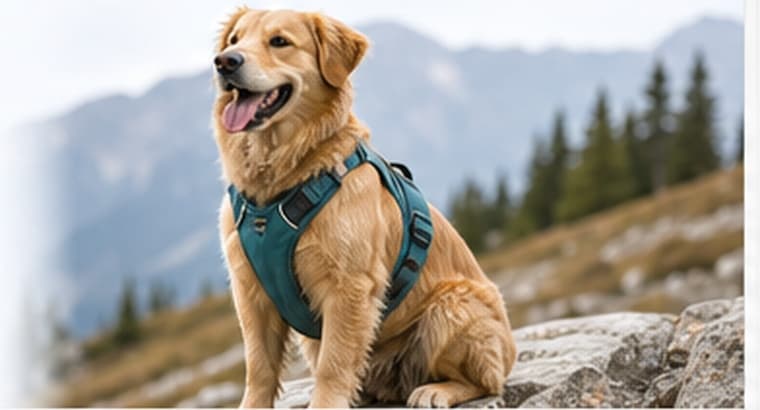
Dog Hiking Gear Checklist: What to Pack for a Day Hike
A practical beginner checklist covering harness fit, leash control, water, paw protection, visibility, first aid, and final checks for a comfortable day on the trail.
How to Use a Long-Line Dog Leash Safely
A practical, evidence-led guide to choosing an appropriate long line and location, fitting a shoulder-free harness, managing slack without tangles or hand injuries, building recall gradually, and retiring damaged equipment.
How to Clean and Dry a Dog After a Muddy Hike or Beach Trip
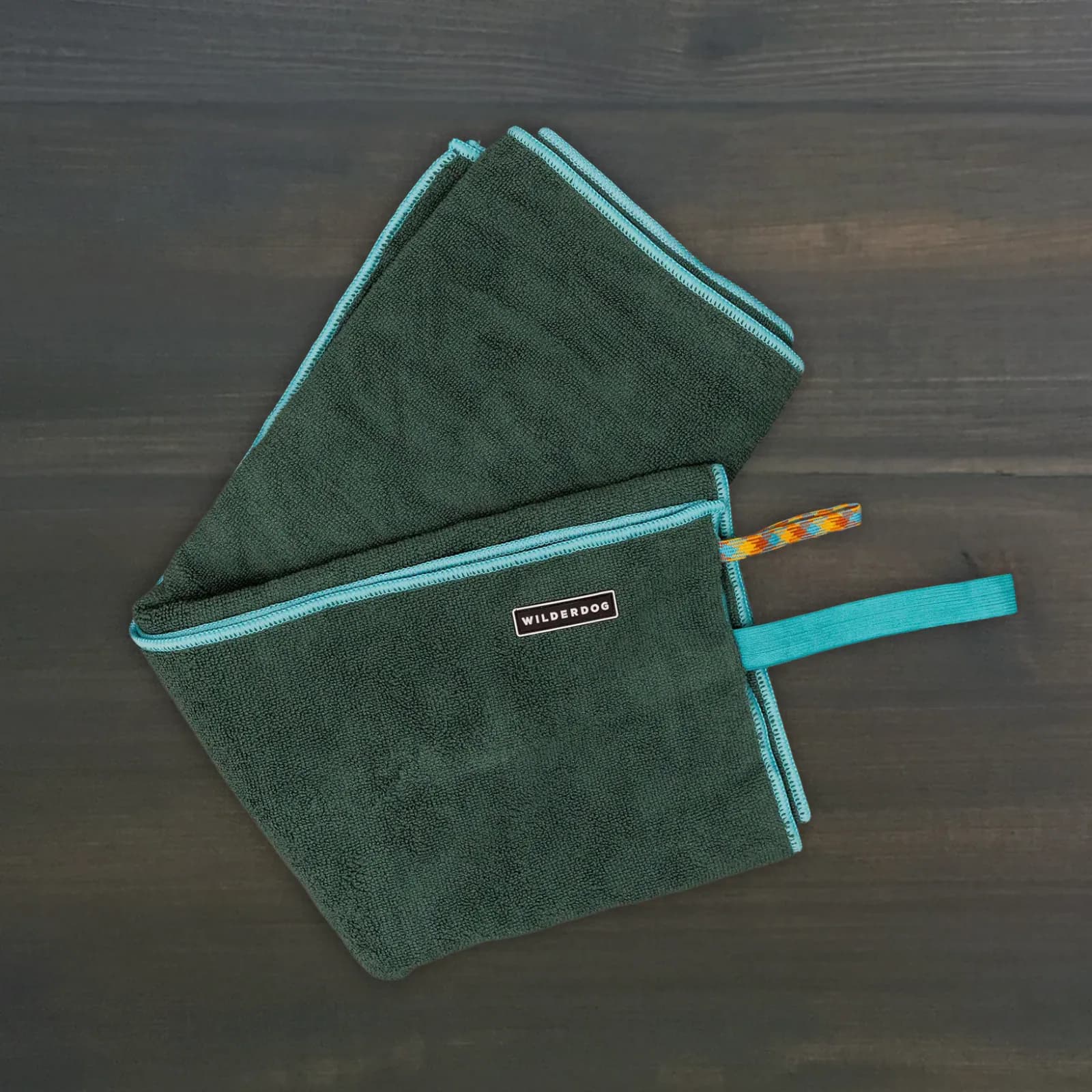
A practical eight-step cleanup routine for mud, sand, salt water, wet coats, paws, ears, ticks, foxtails, and temperature concerns after an outdoor trip.

How to Remove a Tick From a Dog After Hiking
A calm, evidence-based post-hike workflow for finding and removing an attached tick with fine-point tweezers or a purpose-made tool, cleaning the site, recording the bite, monitoring the dog, and knowing when veterinary help is appropriate.
How to Clean and Dry a Dog After a Muddy Hike or Beach Trip
