Use a long line as a supervised training and exploration tool only where the rules and surroundings allow it. This guide does not turn a long line into an off-leash permit, a tie-out, a medical device, or a substitute for reward-based training and active handling.
A long line can add controlled distance for recall practice, sniffing, tracking games, and decompression in a spacious, low-traffic place. It is most useful when the handler can watch the dog continuously, manage slack with both hands, and recall or shorten the dog before a hazard develops. It is a poor choice beside roads, on narrow or cliff-edge paths, in crowded campgrounds, dense brush, busy shared-use corridors, livestock areas, or anywhere the line could cross another person's route. Do not use one as an unattended tie-out or with a dog whose speed, strength, fear, or reactivity exceeds the handler's current skills. A longer line does not make an unreliable recall reliable; it creates a protected setting in which to teach. If the dog or handler is overwhelmed, return to a standard lead, an enclosed area, or help from a qualified reward-based trainer.
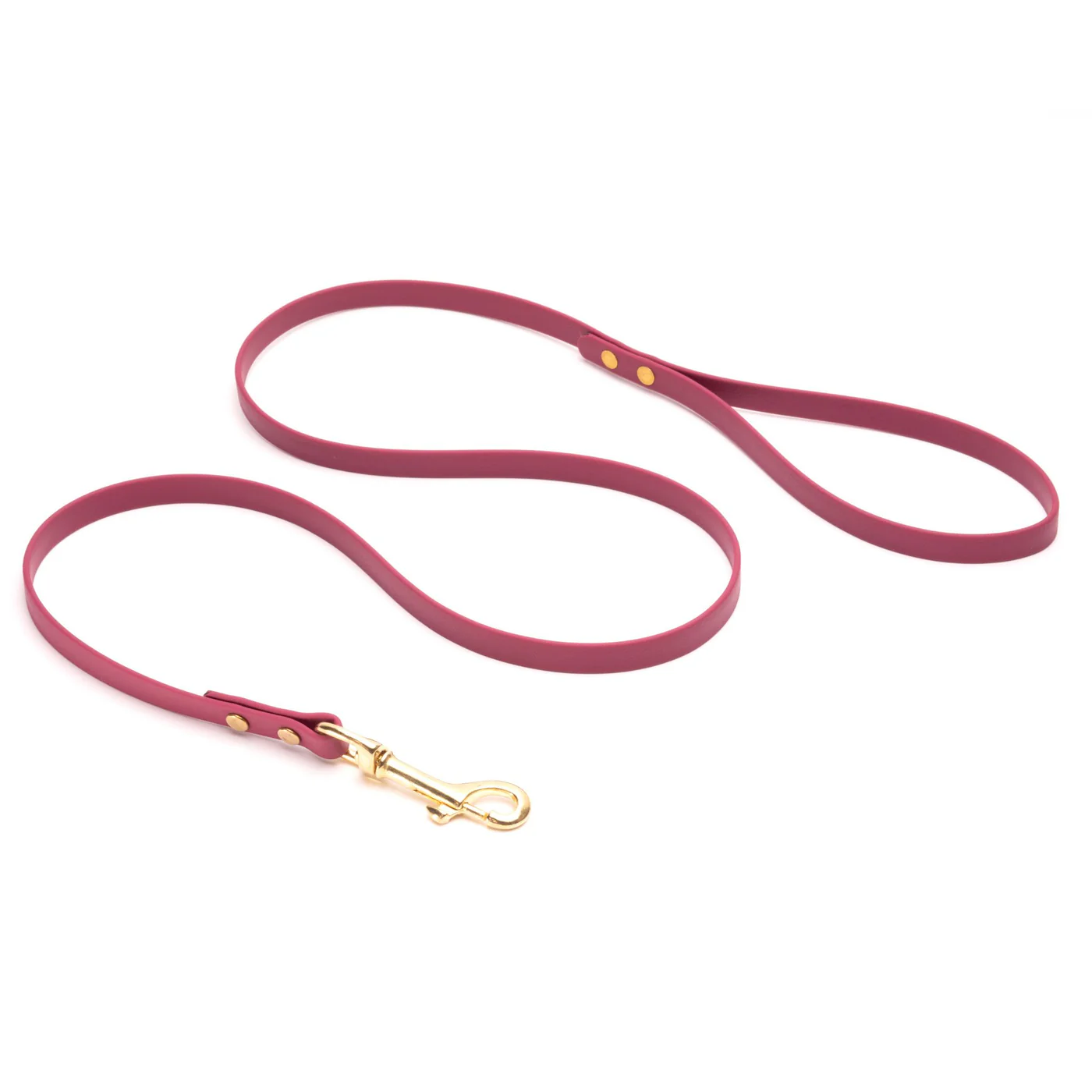
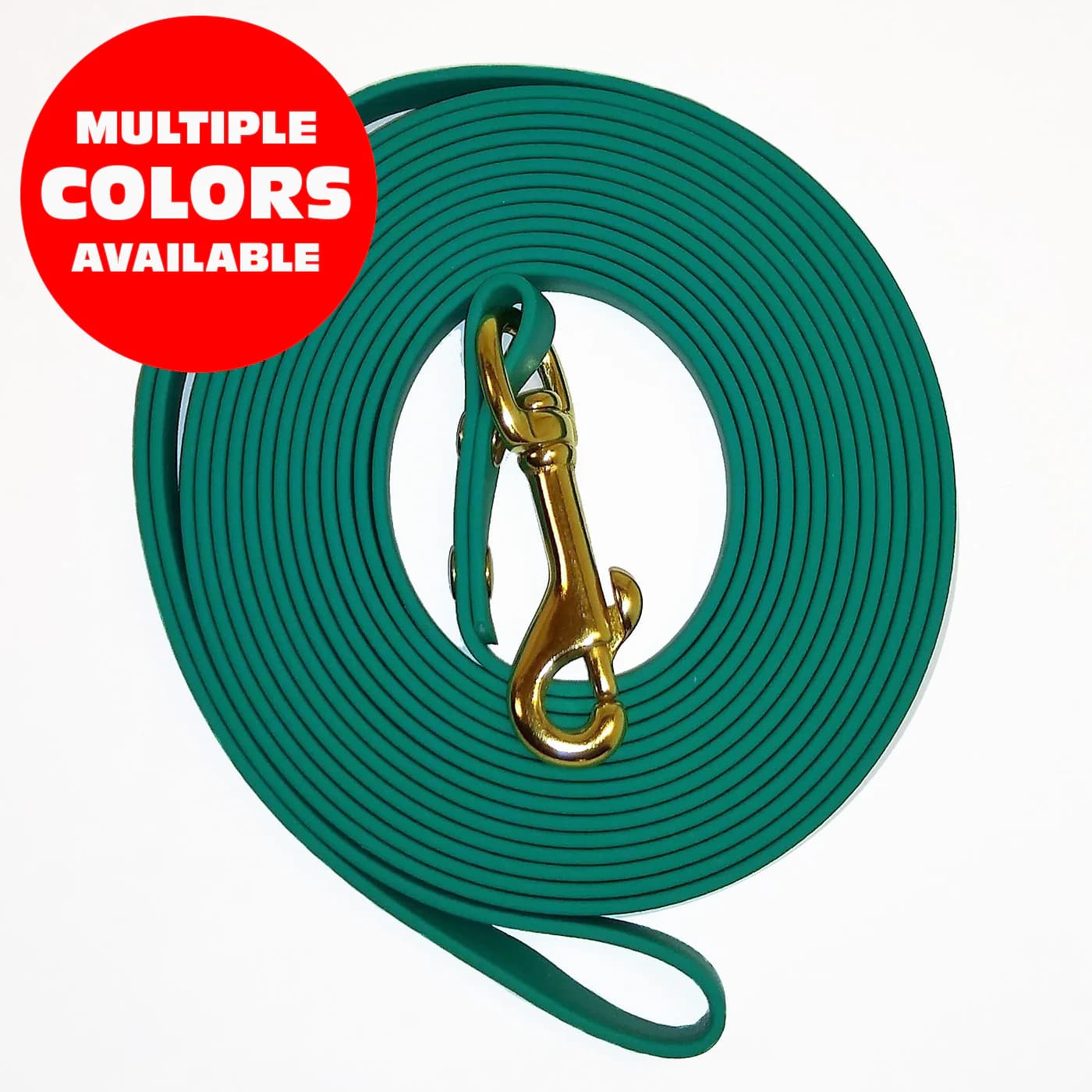
Start shorter than the maximum distance you imagine needing. Ten to fifteen feet is easier to learn on than thirty or fifty, while larger fields may support more distance after handling skills are solid. Flat coated webbing is easy to wipe clean and does not absorb much water; nylon is light and economical but can retain moisture; rope can feel familiar but may collect debris or tighten into knots. Width and hardware must suit the dog and remain comfortable in the handler's hand, but manufacturer weight ranges are not complete-system working-load certifications. Choose a bright color when visibility matters. Use the line only on open ground with clear sightlines and enough space to avoid trees, roots, bicycles, horses, children, other dogs, and wildlife. Check the exact land-manager rules before every visit. Under 36 CFR 2.15, National Park Service pet restraint commonly means a leash no longer than six feet, and individual parks may prohibit pets from additional areas. A long line therefore is not legal on every pet-friendly trail.
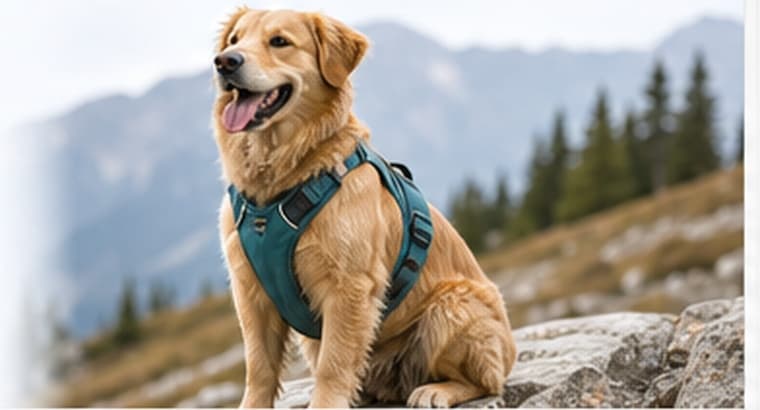
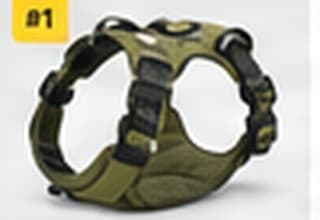
Attach the long line to the back ring of a properly fitted walking harness, not to a neck collar. A Y-front or another design that leaves the shoulders free is preferable to a strap running straight across the front of the shoulders; Dogs Trust cautions that shoulder-crossing designs can restrict natural movement. Fit must be secure enough that the harness does not shift or allow the dog to reverse out, while leaving comfortable space under the straps. Recheck fit while the dog walks, turns, lowers the head, and changes coat or body condition. Introduce the harness with treats and short calm sessions if it is new. A back-clip harness spreads contact over the body, but it does not make an abrupt high-speed stop harmless. Prevent the dog from reaching full speed at the end of the line, and never use a long line on a slip lead, head collar, prong collar, or other neck-based attachment.
Practice without the dog first. Hold the stored length in broad, orderly loops in the non-dominant hand and use the other hand to feed or collect the dog-side section. Keep the active line in front of you, watch where it lies, and take in slack before it forms piles around feet. Never wrap the line around fingers, a hand, wrist, waist, or fixed object; a sudden pull can tighten the wrap before you can release it. Close the hand to brake progressively instead of grabbing a fast-moving line, and consider well-fitting gloves for extra friction protection, not as a substitute for technique. Do not step on a taut line or deliberately let the dog hit the end at speed. If it loops around a person, dog, tree, or leg, stop movement, create slack, and untangle it rather than pulling. Shorten early near corners or hazards, keep the line from spanning the trail, and use a normal six-foot lead when passing through confined areas.
Begin indoors, in a fenced yard, or in another quiet enclosed space. Say the recall cue once when success is likely, move away invitingly, and reward the dog generously for reaching you. Then add distance in small increments while the long line stays loose. Dogs Trust recommends attaching the line to a harness and increasing distance and distractions gradually; if the dog does not respond, remain calm, guide gently or go to the dog, and never drag the dog toward you. Change only one difficulty at a time: distance, distraction, or location. Reward check-ins that the dog offers without being called, release the dog back to sniffing often, and avoid making every recall end the fun. Move to a more distracting place only after repeated success at the easier level. The line is a safety backup, not a tool for jerking, punishment, or forcing attention, and off-leash freedom should wait for both legal permission and dependable behavior.
Extra distance belongs to the dog only while it does not reduce anyone else's safety or comfort. Recall and shorten well before approaching people, children, dogs, horses, cyclists, blind corners, picnic areas, or trail junctions. Step off to a safe side where allowed, keep the line entirely with you, and ask before permitting any greeting; a friendly dog still has no automatic right to approach. Do not allow play between dogs attached to long lines because lines can wrap legs and handlers quickly. Near horses, follow the rider's directions and keep the dog calm and close. The National Park Service B.A.R.K. principles are useful everywhere: bag waste, always leash, respect wildlife, and know where pets may go. Prevent chasing, stalking, barking at, or investigating wildlife, nests, burrows, carcasses, or droppings. If wildlife or livestock appears, shorten immediately and leave quietly. In high-use areas, the courteous and safer choice is usually a standard lead.
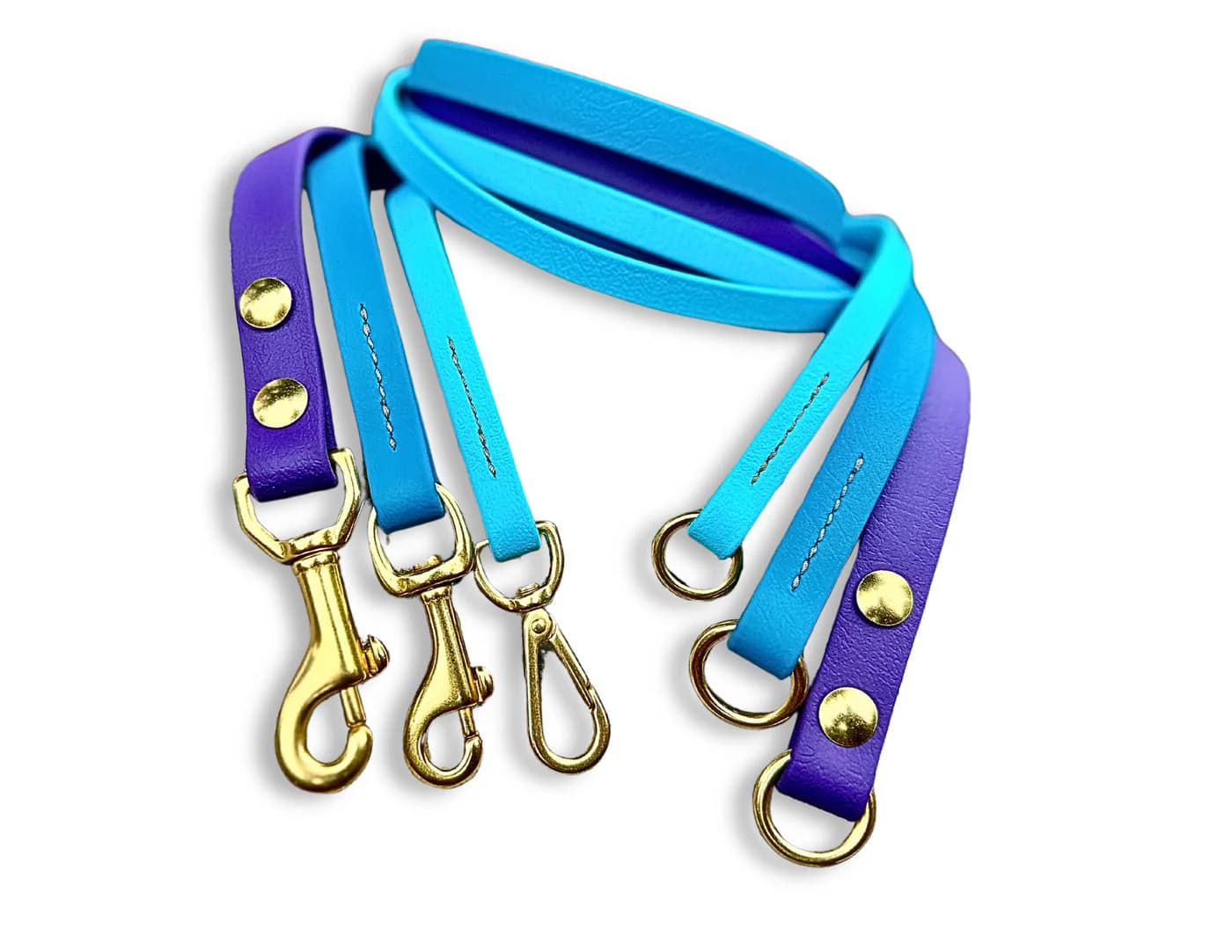
Inspect the complete system before every session. Run the material through your hands and look for cuts, fraying, thinning, glazing, deep chew marks, cracked coating, severe stiffness, knots, loose stitching, pulled rivets, or damaged handles. Open and close the snap several times; its gate should return fully, and a swivel should move without excessive play. Check the harness straps, buckles, seams, and attachment ring at the same time. Follow the maker's cleaning instructions: many coated lines can be rinsed with mild soapy water, while nylon or rope may require different care. Rinse away grit, use no unapproved solvent or high heat, and air-dry completely before storing in loose, organized coils away from chewing and sunlight. Stop using any item with uncertain load-bearing material or hardware. Tape, a household knot, or an improvised clip is not a dependable repair. Photograph the damage and ask the manufacturer whether replacement is required; when doubt remains, retire it.
Before unclipping the standard lead, pause for a final check: pets are permitted here, the allowed leash length covers your setup, the area is open and visible, the dog is comfortable in the harness, the equipment is undamaged, and you have treats, waste bags, water, and enough attention to handle actively. Start with less line than you may eventually use and shorten before the environment forces the decision. Stop the session if the dog repeatedly charges the end, the handler loses organized control, another user needs space, weather or footing deteriorates, wildlife enters the area, or any gear changes shape or function. Coughing, limping, pain, breathing difficulty, collapse, or unusual weakness calls for stopping activity and seeking veterinary guidance appropriate to the signs; this guide cannot diagnose or prevent injury. Record what worked, reduce the next session's difficulty, and build skill over time rather than treating distance as the goal.
We used these primary or authoritative references when checking this guide. Product instructions and local rules can change, so confirm details that affect your trip.
Yes. It explains the main decision points in plain language and links to relevant product reviews when published options are available.
No. Prices, coupons, stock, and shipping terms can change. Confirm the current offer on the retailer page before checkout.
Related content