Pack for your dog with less guesswork. Learn the day-hike essentials, condition-specific extras, and the checks to complete before heading home.
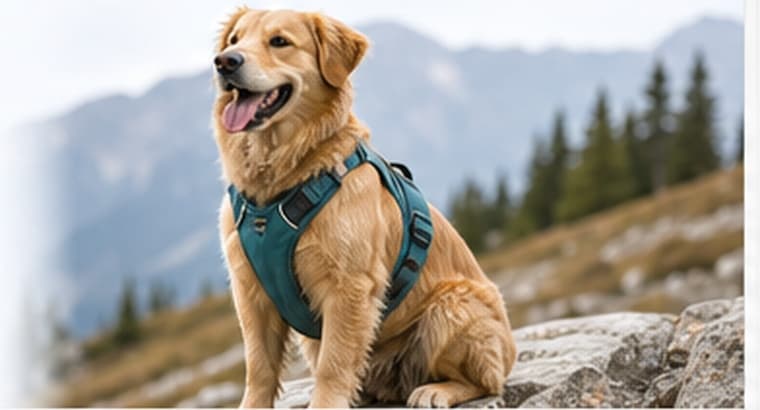
For most day hikes, the baseline kit is simple: a well-fitted harness, a fixed-length leash, current identification, clean water, a collapsible bowl, waste bags, and a small first-aid kit. Add paw protection, a light, a tracker, extra food, or a weather layer only when the route, forecast, or your dog makes it useful. Before packing, confirm that dogs are allowed, read the local leash rules, and check the distance, elevation, surface, shade, water access, and turnaround options. Natural water is not a reliable substitute for the water you carry. If your dog is new to hiking, begin with a short, familiar route and learn how they respond before buying or carrying every optional item. Ask your veterinarian before attempting a harder route if you are unsure whether your dog's age, fitness, or health makes it appropriate.
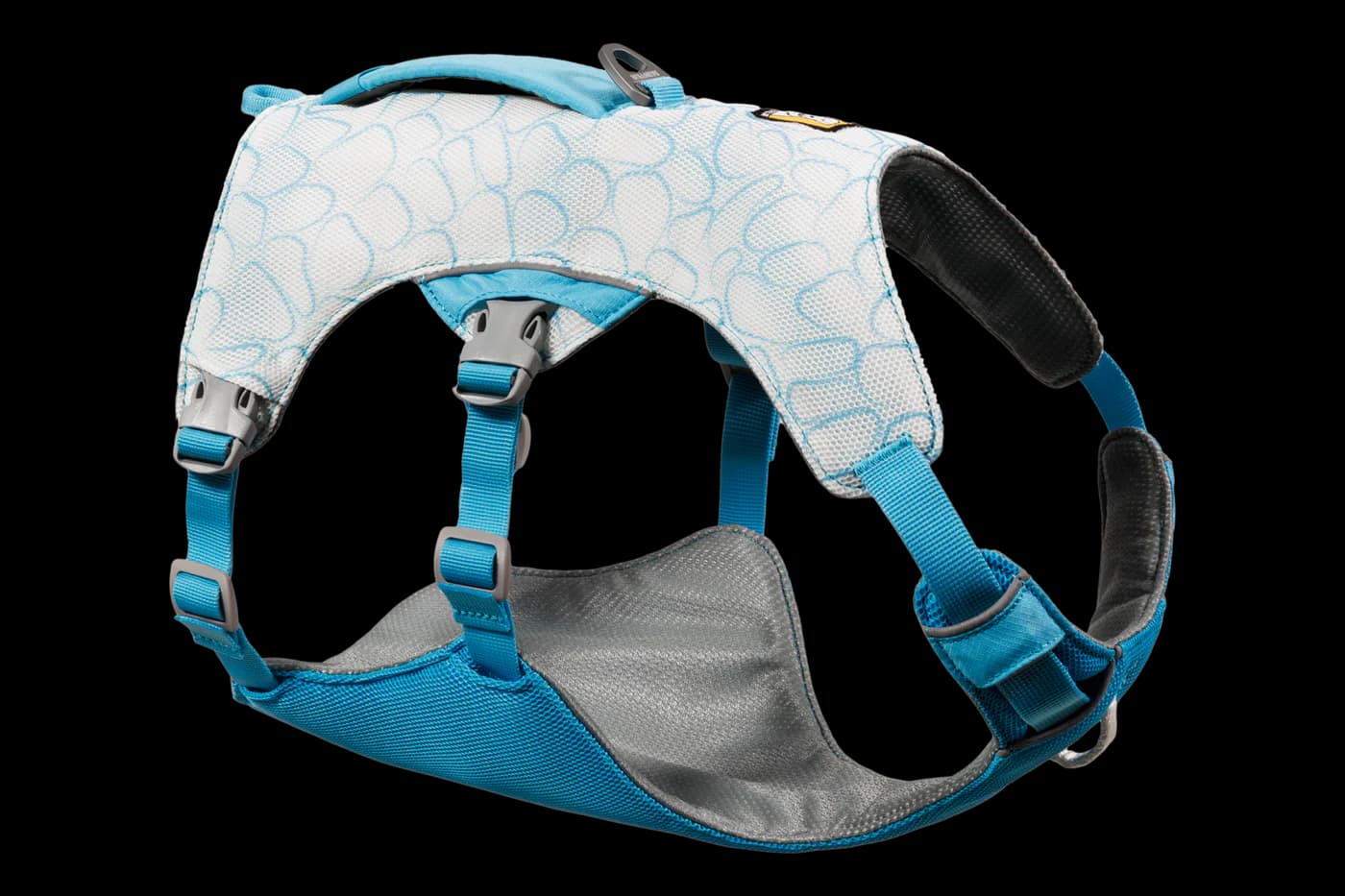
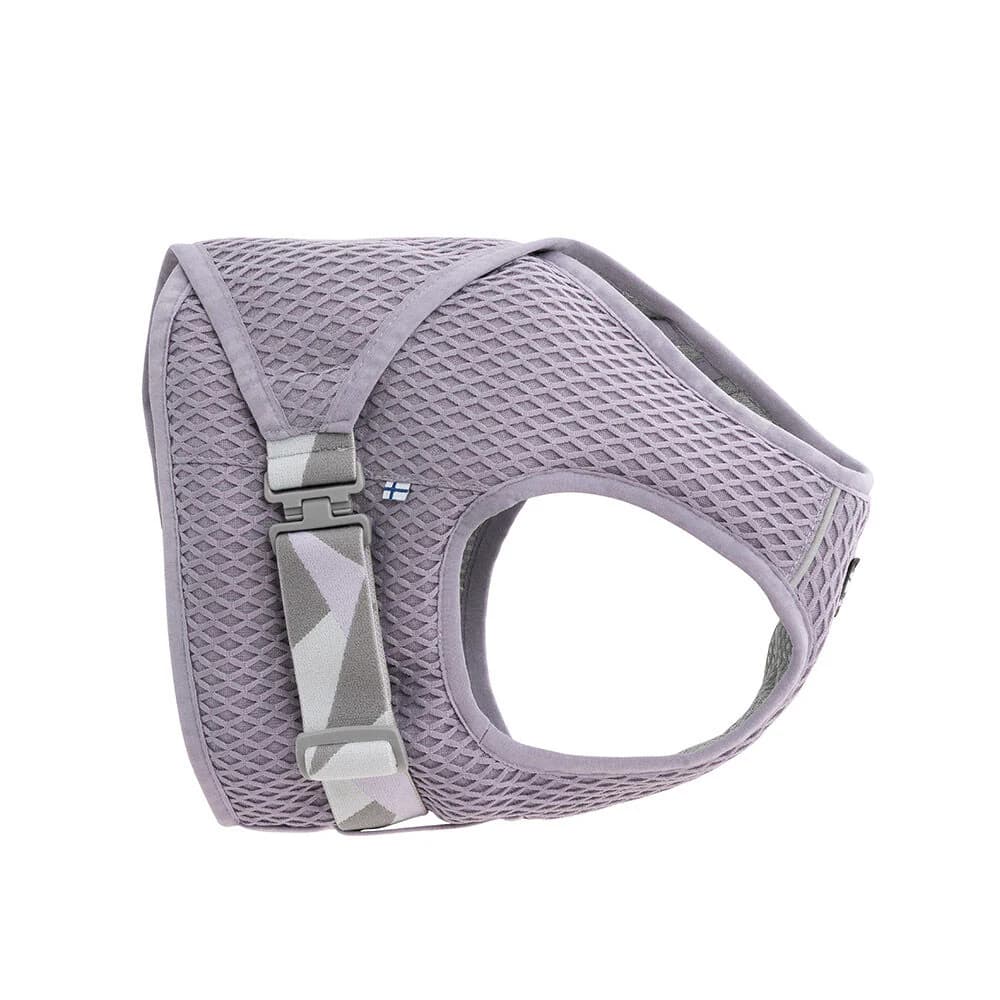
A trail harness should stay secure without pinching, rotating, or blocking the shoulders. Measure your dog using the brand's current size chart rather than choosing by weight alone, then adjust every strap and test the fit during a short walk near home. Watch for rubbing behind the front legs, pressure at the neck, loose gaps, and panels that shift when the leash tightens. A rear attachment works well for ordinary trail walking; a front attachment can add control when the harness is designed for it. A top handle can help you hold a dog close, but it should not be used to lift unless the manufacturer specifically rates the harness for lifting or mobility support. Recheck the fit after the coat gets wet or after adding a jacket.
A standard fixed-length leash is usually easier to control around hikers, dogs, wildlife, drop-offs, and narrow trail sections than a long or retractable line. Choose a length that follows local rules, inspect the clip and stitching before each trip, and carry a lightweight spare on remote hikes. Keep an ID tag with a current phone number on a separate collar or other secure attachment, and make sure any microchip registration is up to date. The harness, leash, and identification do different jobs: the harness distributes restraint, the leash maintains control, and the ID helps someone contact you if the first two fail. None should be treated as a substitute for the others.
Carry enough clean water for both you and your dog, plus a bowl they will readily use. The right amount varies with body size, weather, exertion, and route length, so a fixed one-size-fits-all formula is less useful than planning extra and offering frequent breaks. Do not assume a stream, pond, or lake is safe or available. On warm or exposed routes, shorten the hike, choose cooler hours, seek shade, and give your dog regular chances to drink. For longer outings, pack familiar food or treats in a sealed bag rather than introducing something new on the trail. A dog backpack is optional, not essential; if you use one, introduce it gradually and follow the maker's fit and load guidance.
Check the surface before deciding whether boots or a weather layer belong in the pack. Hot pavement, sharp rock, coarse sand, ice, road salt, burrs, and long stretches of scree can all change what your dog needs. Boots are most useful when they fit securely and the dog has practiced wearing them at home; a spare boot can rescue a trip if one is lost. A rain shell or insulating layer may help some short-coated, small, older, or cold-sensitive dogs, while other dogs need no extra layer. In heat or humidity, gear is not a reason to continue a route that is too demanding. Signs such as unusual heavy panting, breathing difficulty, weakness, confusion, vomiting, seizures, or collapse require stopping the activity and seeking urgent veterinary help.
Reflective trim and a small clip-on light make a dog easier to see at dawn, dusk, in rain, or under dense tree cover. A pet GPS tracker can be useful for escape-prone dogs, road trips, and large outdoor areas, but it adds charging, subscription, signal, and coverage considerations. Test the device before leaving, confirm that the account is active, and save any required app login. Bluetooth finder tags work differently and may depend on nearby compatible phones, so they should not be described as live GPS. Whatever device you choose, use it as a backup to a leash and current ID, not as permission to let a dog roam where rules or conditions require restraint.
Keep the kit compact enough that it comes on every hike. Useful basics include gloves, sterile gauze, a non-stick dressing, cohesive wrap, medical tape, saline or wound rinse, tweezers or a tick-removal tool, a clean cloth, and contact details for your veterinarian and the nearest emergency clinic. Bring prescribed medication only as directed for your dog, and do not give human pain medicine unless a veterinarian has told you to do so. Add more waste bags than you expect to use and pack filled bags out according to local rules. For remote routes, consider how you would carry your dog if walking became impossible. First-aid supplies can support an evacuation, but they do not replace veterinary care.
At the trailhead, confirm harness fit, leash attachment, ID, water, route, weather, local rules, and battery levels for your phone, light, or tracker. Then watch your dog throughout the hike rather than waiting for a scheduled break: a slower pace, repeated stopping, paw lifting, or reluctance to continue are reasons to pause and reassess. After the hike, inspect the paw pads, between the toes, under the harness, around the ears, and through the coat for cuts, irritation, burrs, or ticks. Clean and dry wet gear, wash the bowl, replace used supplies, and note what you carried but never needed. A short post-hike routine helps refine the kit for the next route and makes small problems easier to notice.
Yes. It explains the main decision points in plain language and links to relevant product reviews when published options are available.
No. Prices, coupons, stock, and shipping terms can change. Confirm the current offer on the retailer page before checkout.
Related content