Pack for dogs and cats by function rather than by shopping category, with clear limits around vehicle restraints, campsite rules, parasite products, human medications, food storage, and the role of veterinary care.

Create one travel folder before packing equipment. Include current identification and microchip details, vaccination and health records required by the destination, prescription information, lodging and campground confirmations, park pet rules, and contacts for your regular veterinarian and a 24-hour clinic near the route. USDA APHIS advises checking the receiving state or territory for domestic movement requirements and starting international paperwork early because destinations set their own tests, treatments, and certificate timelines. Add a recent photo of each pet, emergency contacts who can make decisions if you cannot, and a simple itinerary someone at home can access. Confirm where the pet may go, not only whether the campground accepts pets; trails, beaches, buildings, water, and backcountry areas may have different rules. Keep required originals where they remain reachable, and store backup copies securely offline. Recheck the rules shortly before departure because official requirements, fire restrictions, weather closures, and airline or lodging policies can change.
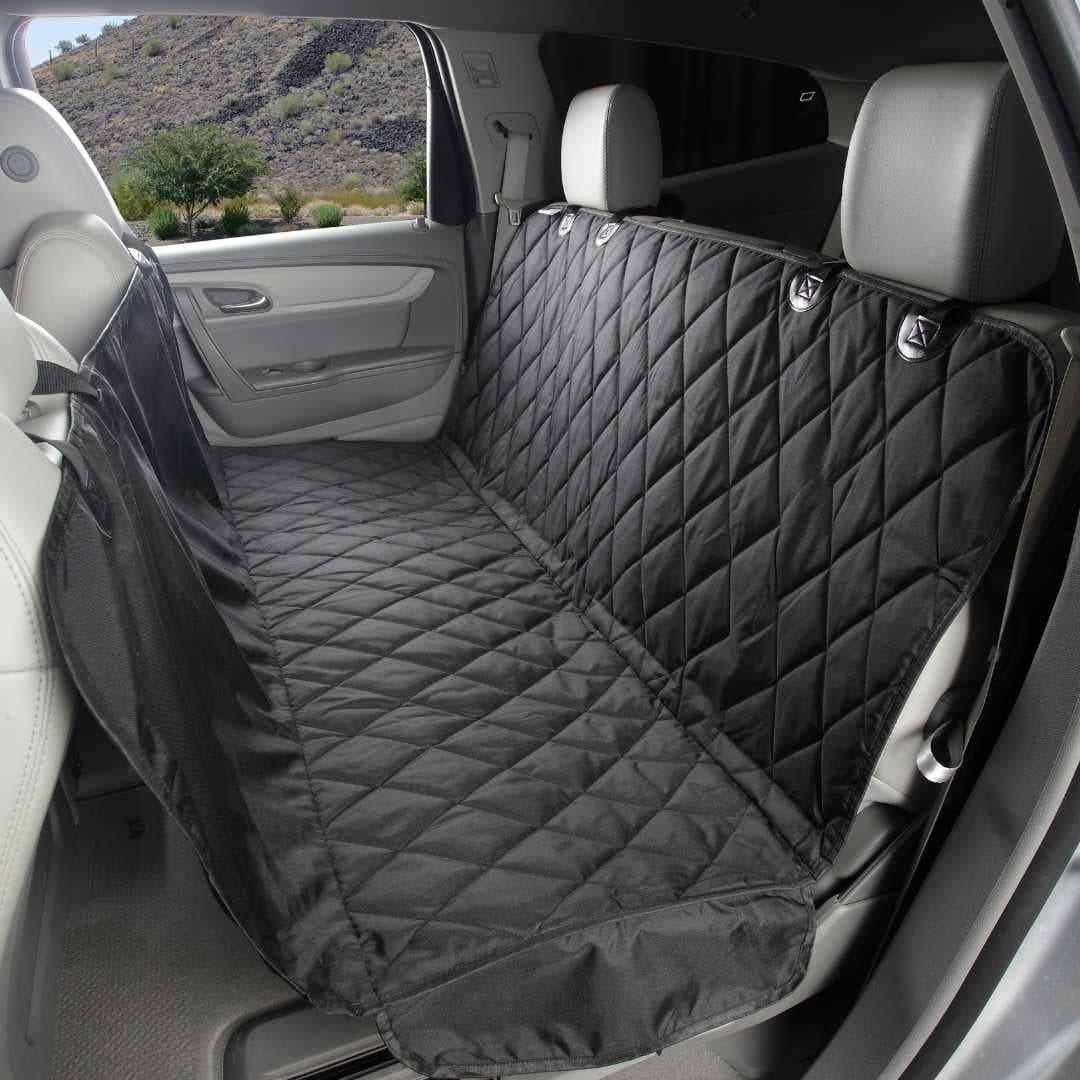
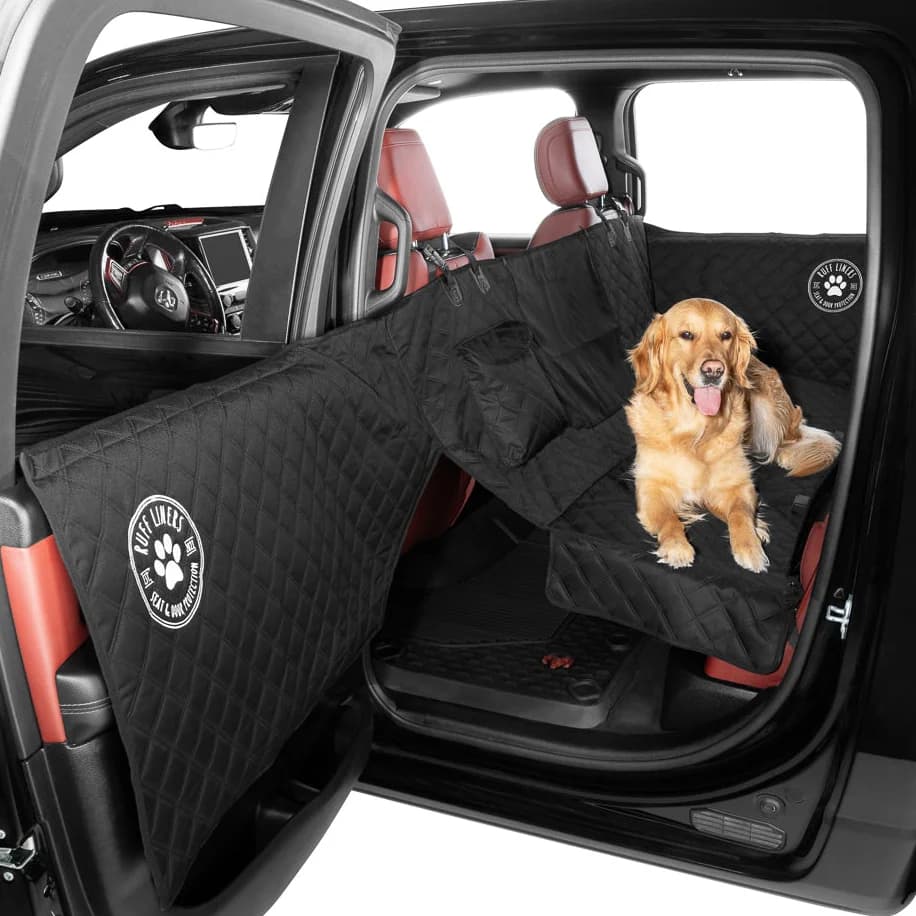
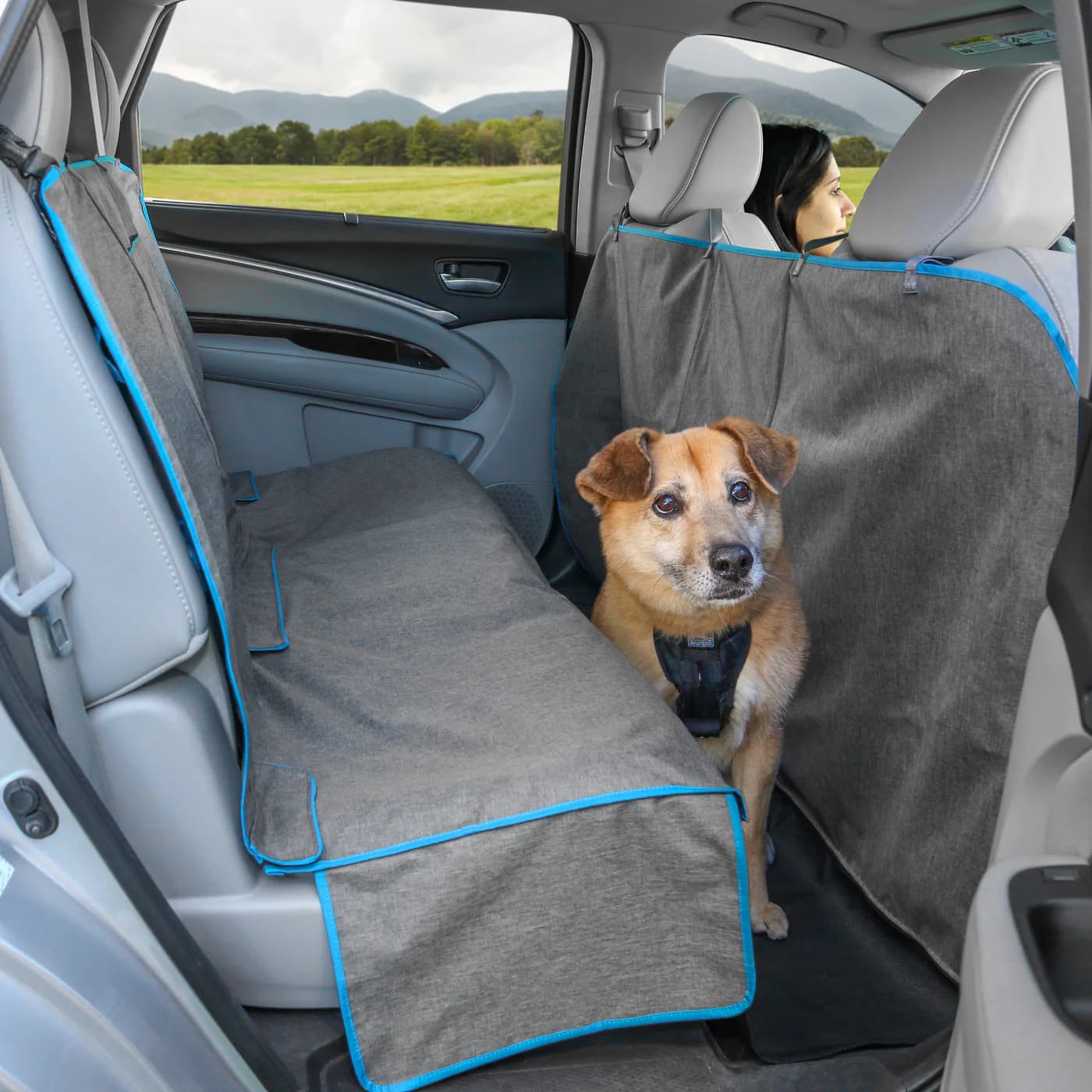
Match the restraint system to the species, size, vehicle, and product instructions. Cats and small pets generally need a ventilated, escape-resistant carrier with room to sit, lie down, and turn; secure it so it cannot slide or tip. A dog riding on a seat needs an appropriate vehicle restraint attached exactly as directed, while a secured crate may suit another dog and vehicle better. Practice the full setup on short drives. Pack a correctly fitted walking harness or collar, fixed-length leash, spare leash, current ID, and any transfer lead needed at stops. A hammock, hard-bottom extender, barrier, or seat cover can protect upholstery or fill space, but it is not automatically a crash restraint. Do not let pets roam, ride on laps, or put their heads out of windows. Inspect carrier doors, harness stitching, buckles, anchor points, and tie-downs before each travel day. Never leave an animal alone in a parked vehicle, even with windows cracked.
Pre-portion the pet's familiar food for every planned meal and add a practical reserve for delays. Bring safe drinking water, separate clean bowls, a can opener if needed, treats used in training, and a cooler or insulated medication pouch only when the contents require temperature control. Keep the normal feeding schedule as closely as travel allows, and avoid introducing rich treats or a new diet on the road. CDC travel guidance recommends carrying food, water, bowls, medication, first-aid supplies, and documents rather than relying on what may be available at the destination. Do not assume streams or lakes are safe drinking sources. At camp, food storage rules apply to pet supplies too. NPS guidance for bear country specifically treats pet food, bowls, treats, garbage, and other scented items as attractants. Store them in the locker, approved bear-resistant container, or hard-sided vehicle required by that site, and never leave food unattended or inside the sleeping tent.
Pack a familiar washable bed, blanket, or mat, plus enough shelter space for the pet and its containment equipment. NPS notes that advertised tent capacity usually accounts for people, not people plus pets and gear. Dogs may need a crate or a supervised leash setup; cats need a secure carrier and often an enclosed pen or two-barrier tent routine. A tether and stake are not universal solutions: many parks set leash-length rules, prohibit attaching lines to trees, or require a pet to remain attended. Never leave a pet tethered, penned, crated outdoors, or alone in a tent while you take part in an activity where pets are prohibited. Pack a small repair kit for the carrier or enclosure, but do not rely on a field repair for a damaged critical latch. Choose a quiet site when possible, keep the sleeping area free of cooking odors, and know where the pet will stay safely during setup, rain, bathroom trips, and emergencies.
Dogs need more waste bags than the expected number of stops; cats need familiar litter, a stable travel tray, scoop, liners, and sealed disposal bags. Add absorbent carrier pads, spare bedding, towels, a brush or comb, paper towels, and pet-safe cleaning supplies appropriate to the surfaces you will use. Keep a dedicated dirty-gear bag so wet bedding or a soiled harness does not contaminate food and clean equipment. Follow the campground's waste rules and pack waste out when bins are unavailable. Do not leave filled bags beside a trail or fire ring. Clean feeding equipment promptly and store bowls with other scented items where wildlife rules require it. Wash or sanitize hands after handling waste and before preparing food. A small routine matters: inspect the sleeping area each morning, remove crumbs and spilled kibble, replace wet liners, and dry the carrier or restraint before the next drive. Clean camp protects other visitors, wildlife, your vehicle, and your pet.
Use the forecast, terrain, shade, trip duration, and the individual animal—not a generic checklist—to decide on boots, weather layers, cooling equipment, reflective trim, or a safety light. Practice with wearable gear before departure and carry a spare boot if the route makes paw protection important. Check pavement, sand, rock, snow, road salt, burrs, and campsite surfaces throughout the day. Bring a towel and a dry layer for wet or cold conditions, but shorten or cancel activity when heat, humidity, cold, smoke, or air quality becomes unsafe. Ask a veterinarian which parasite preventive is appropriate for the destination and species. CDC warns not to apply tick products to cats without veterinary guidance, and FDA notes that some products intended for dogs can be dangerous to cats. Pack a tick-removal tool and perform daily checks of coat, skin, ears, paws, and toe spaces. Visibility gear and trackers are backups; they do not replace a leash, secure enclosure, supervision, or current ID.
Use an organized pouch that can move between the vehicle and campsite. AVMA's pet first-aid checklist includes emergency information and basic supplies; a practical travel module can include gloves, sterile gauze, non-stick dressings, cohesive wrap, medical tape, saline or wound rinse, a clean cloth, blunt-tip scissors, and tweezers or a tick tool. Add only medications prescribed or specifically approved for that pet, in original labeled containers, with a written dose schedule and any refrigeration plan. Carry enough for the trip plus a delay reserve agreed with the veterinarian. Do not share medicine between pets or add human pain relievers “just in case.” FDA warns that common human pain medicines can harm pets and that acetaminophen is fatal to cats. Save veterinary and poison-control numbers before entering low-signal areas. First aid is temporary support while arranging professional care, not a substitute for diagnosis or treatment; serious trauma, breathing trouble, collapse, seizure, suspected poisoning, or rapidly worsening illness needs urgent veterinary help.
The best packing list becomes a short routine. The night before, confirm rules, weather, route, reservations, documents, medication, batteries, fuel, water, and emergency contacts. Before moving the vehicle, count every pet, close every carrier, confirm every restraint, and check that loose gear cannot strike an animal during braking. At stops, choose a secure transfer area, attach the leash before opening a door, and open a cat carrier only inside a fully enclosed space. Check temperature, breathing, behavior, water, bedding, and attachment points at each planned break. On arrival, contain the pet before unloading the rest of camp, inspect the site for hazards, and secure food and scented items immediately. Perform a daily health and gear check throughout the trip. After returning home, wash bowls and bedding, dry and inspect restraints, replace used first-aid items, update notes about what did or did not work, and contact a veterinarian if the pet's appetite, movement, breathing, elimination, or behavior remains abnormal.
We used these primary or authoritative references when checking this guide. Product instructions and local rules can change, so confirm details that affect your trip.
Yes. It explains the main decision points in plain language and links to relevant product reviews when published options are available.
No. Prices, coupons, stock, and shipping terms can change. Confirm the current offer on the retailer page before checkout.
Related content