Use this guide to prepare a cat for road travel and camping without treating a harness, tent, seat cover, tracker, or medication as a substitute for secure containment, current rules, supervision, or veterinary advice.

A safe plan begins with an honest question: will this particular cat benefit from going? Consider health, age, mobility, breathing, temperature tolerance, previous carrier behavior, trip length, and how much of the itinerary actually permits cats. A cat who remains highly distressed during short practice drives, needs close medical monitoring, or cannot safely enter the planned campground may be better with a trusted caregiver or boarding arrangement. Discuss the route with your veterinarian early if your cat has a chronic condition, takes medication, has recently been ill, or has never traveled overnight. Do not test a new sedative on departure day or give one without veterinary direction. FDA travel guidance warns that sedatives can dull an animal's senses and ability to respond; if medication might be necessary, the veterinarian should decide whether it is appropriate and explain the dose, timing, storage, and warning signs.
Check every jurisdiction and operator on the itinerary rather than assuming one rule covers the whole trip. USDA APHIS explains that destination countries set international requirements and that receiving states or territories set many domestic animal-health requirements. Campgrounds, parks, ferries, hotels, and airlines can add their own restrictions. Start early enough for any examination, vaccination, testing, permit, or health-certificate timeline. Carry the required originals when rules demand them, plus accessible copies of vaccination records, prescriptions, your veterinarian's details, and an emergency clinic near the destination. Update the cat's microchip registration and use a legible ID tag with a reachable phone number. A microchip is identification, not a live tracker. Label the carrier with your contact details and keep a current photo that shows the cat clearly. For entry into the United States, check current CDC rules as well as destination-state requirements; recommendations and legal requirements are not always the same.
AAFP's transportation position emphasizes an appropriate carrier, acclimation, training, and secure placement in the vehicle. Begin well before the trip. Leave the carrier open in a familiar room, add known bedding, and let the cat investigate without being forced. Progress through closing the door briefly, carrying the carrier, sitting in a parked car, and taking short drives before attempting a long day. The carrier should be sound, ventilated, escape resistant, and large enough for the cat to sit, lie down, and turn around. Add an absorbent liner and carry a spare. Practice any harness separately; a harness and leash can provide controlled transfers but do not replace the carrier in a moving vehicle. At every stop, open the carrier only inside a fully closed car, room, tent, or other secure enclosure. Inspect zippers, latches, seams, and attachment points before departure and again each day.
Keep the cat inside the carrier while the vehicle is moving and secure the carrier so it cannot slide, tip, or become a projectile during sudden braking. Follow the carrier and vehicle manufacturers' placement instructions; a stable rear-seat or cargo position is generally preferable to a front seat with an active airbag. Do not let a cat ride loose, sit on a lap, or put its head through a window. A seat cover protects upholstery but is not a restraint, and a leash clipped to a collar is not a safe substitute for a secured carrier. If a product is advertised as crash tested, read who performed the test, the protocol used, and the exact model and attachment method covered by the claim. Build breaks around the cat's tolerance, but make transfers only in enclosed spaces. Never leave the cat in a parked vehicle: CDC notes that dangerous heat can build quickly even when outdoor conditions seem mild or a window is cracked.
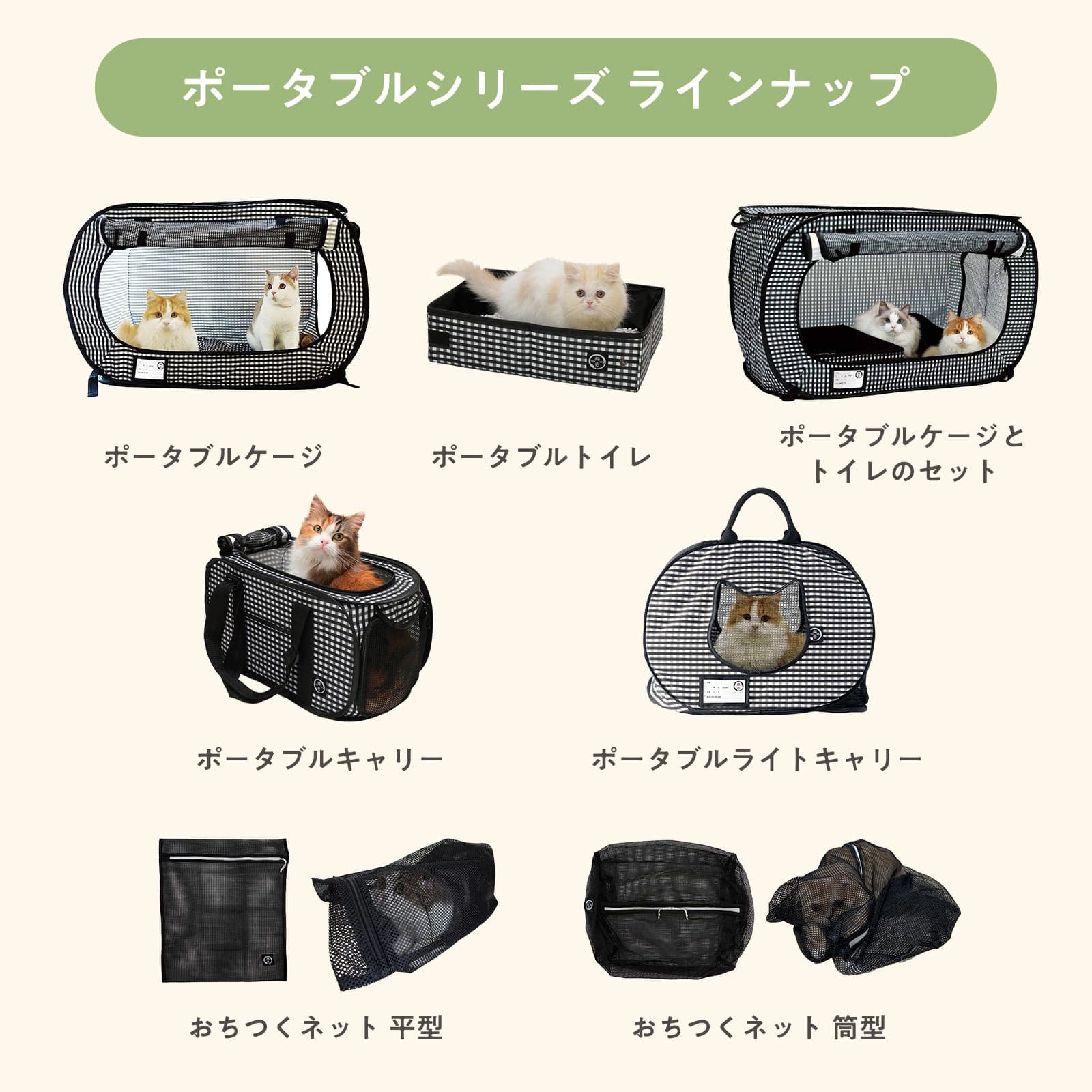
Confirm that cats are allowed at the campground and on every trail or developed area you expect to use. NPS rules vary by park, and many places restrict pets from trails, water, backcountry, or buildings even when a campground permits them. On arrival, keep the cat contained while tents and equipment are set up. A tent zipper alone is not a dependable containment plan. Use a secure carrier, appropriate enclosed pen, or closed vehicle only while temperature and supervision are safe, and create a deliberate two-barrier routine for every entry and exit. A fitted harness and leash may support supervised time outside if local rules allow, but never leave a cat tethered or enclosed outdoors unattended. Bring the cat inside a secure sleeping space at night. Keep the site quiet, prevent contact with unfamiliar animals, and maintain physical control near wildlife. NPS conservation guidance recommends keeping cats indoors, in an enclosure, or on a leash to protect both the cat and native wildlife.
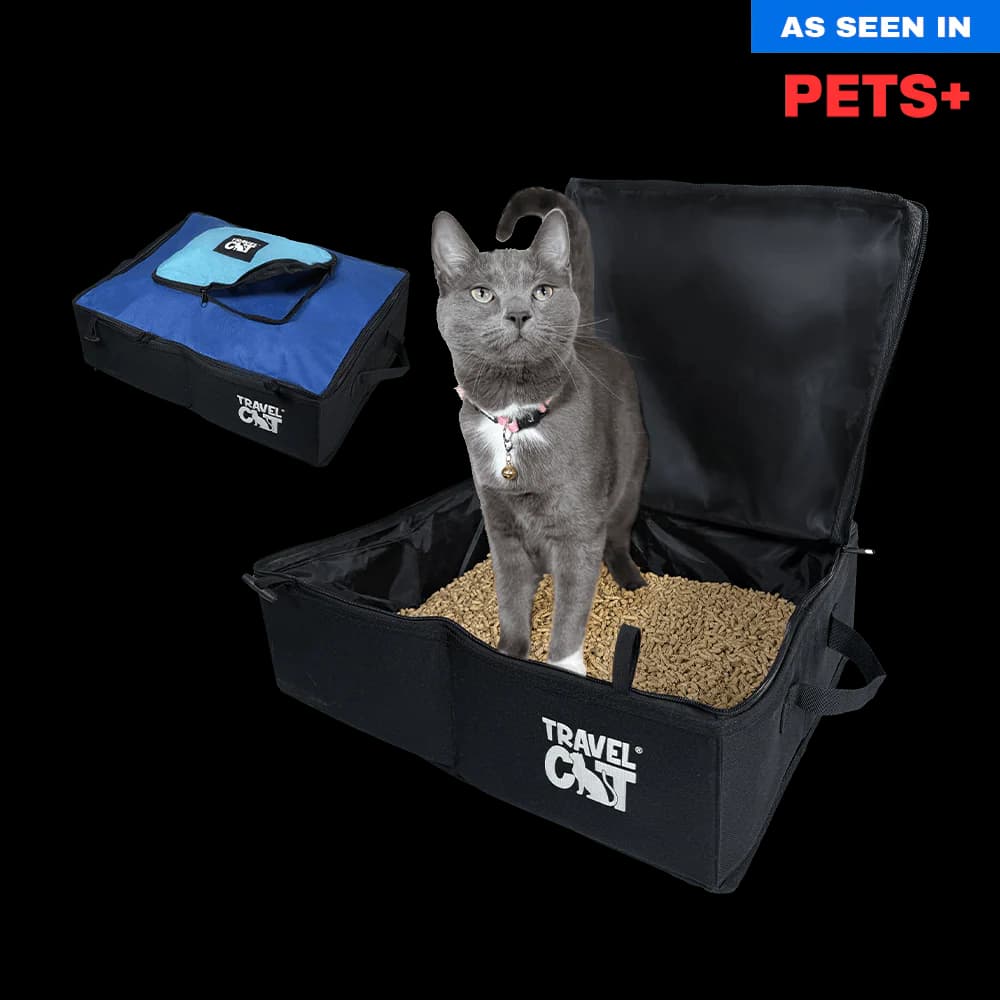
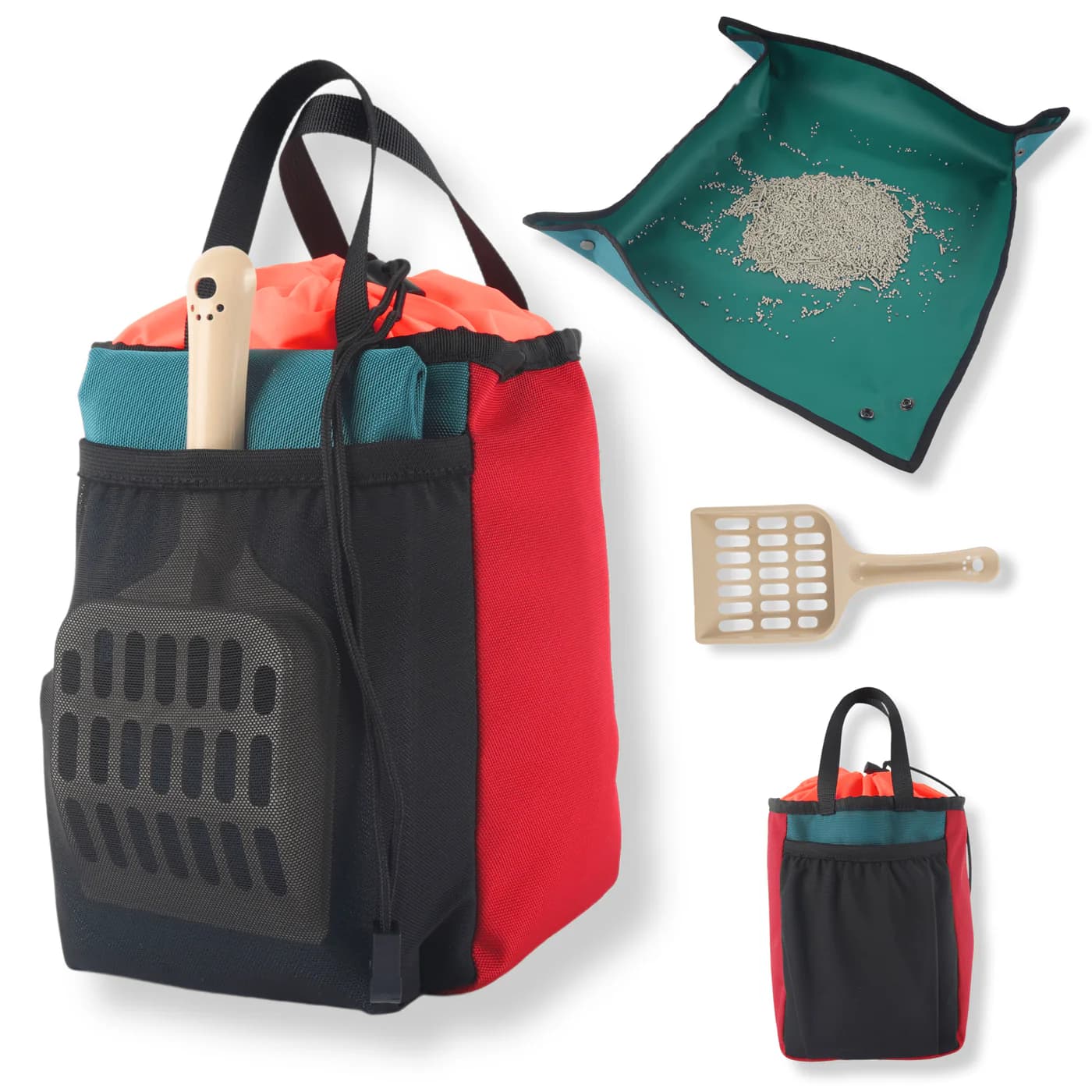
Pack the cat's familiar food, enough safe drinking water for the planned stay plus a delay reserve, clean bowls, and a feeding schedule that resembles home. Avoid changing diets during travel unless a veterinarian has instructed you to do so. Bring the usual litter, a stable litter tray, scoop, liners, cleaning supplies, and sealed waste bags; test the travel setup before leaving. Offer litter opportunities only in a secure space. Do not rely on streams, ponds, or campground taps without confirming potability, and follow CDC advice to keep pets away from stagnant, discolored, foul-smelling, foamy, or scummy water. At camp, pet food, treats, used bowls, litter waste, and other scented supplies can attract wildlife. Follow the site's exact storage rules, which may require a food locker, bear-resistant container, or locked hard-sided vehicle. Never store pet food or scented waste loose in the tent, and never feed wildlife.
Review the forecast, air quality, shade, terrain, and overnight low before committing to the trip. A carrier, tent, or enclosed pen can heat quickly in sun, while a short-coated, small, elderly, or ill cat may also struggle in cold conditions. Provide shade and fresh water, shorten or cancel activities when conditions exceed the cat's tolerance, and never treat cooling gear as permission to stay out in unsafe heat. Ask a veterinarian which flea, tick, heartworm, or other parasite prevention is appropriate for the destination and for this cat. CDC specifically cautions owners not to apply tick products to cats without veterinary advice; some products intended for dogs can be dangerous to cats. Check the coat, skin, ears, paws, and between the toes after outdoor exposure. Prevent contact with wildlife, stray animals, unknown plants, camp chemicals, and standing water. Use only repellents or topical products that a veterinarian has confirmed are safe for cats.
Before leaving, save the numbers and addresses for your regular veterinarian, a 24-hour clinic near the route and destination, and an animal poison-control service. Pack a compact veterinary first-aid kit, prescribed medication in its original labeled container, copies of dosing instructions, and any required temperature-controlled storage. First aid can support transport to care; it does not replace veterinary evaluation. Perform a short daily check for appetite, drinking, urination, stool, breathing, movement, wounds, parasites, and behavior. Breathing difficulty, collapse, seizure, repeated vomiting, inability to urinate, severe weakness, suspected poisoning, major trauma, or rapidly worsening signs require urgent professional help. Keep a recent photo and an escape plan that includes immediately notifying campground staff and local shelters if the cat goes missing. After returning home, clean the carrier and bowls, inspect the cat again, restore normal routine, and contact the veterinarian if appetite, elimination, breathing, or behavior does not return to normal.
We used these primary or authoritative references when checking this guide. Product instructions and local rules can change, so confirm details that affect your trip.
Yes. It explains the main decision points in plain language and links to relevant product reviews when published options are available.
No. Prices, coupons, stock, and shipping terms can change. Confirm the current offer on the retailer page before checkout.
Related content