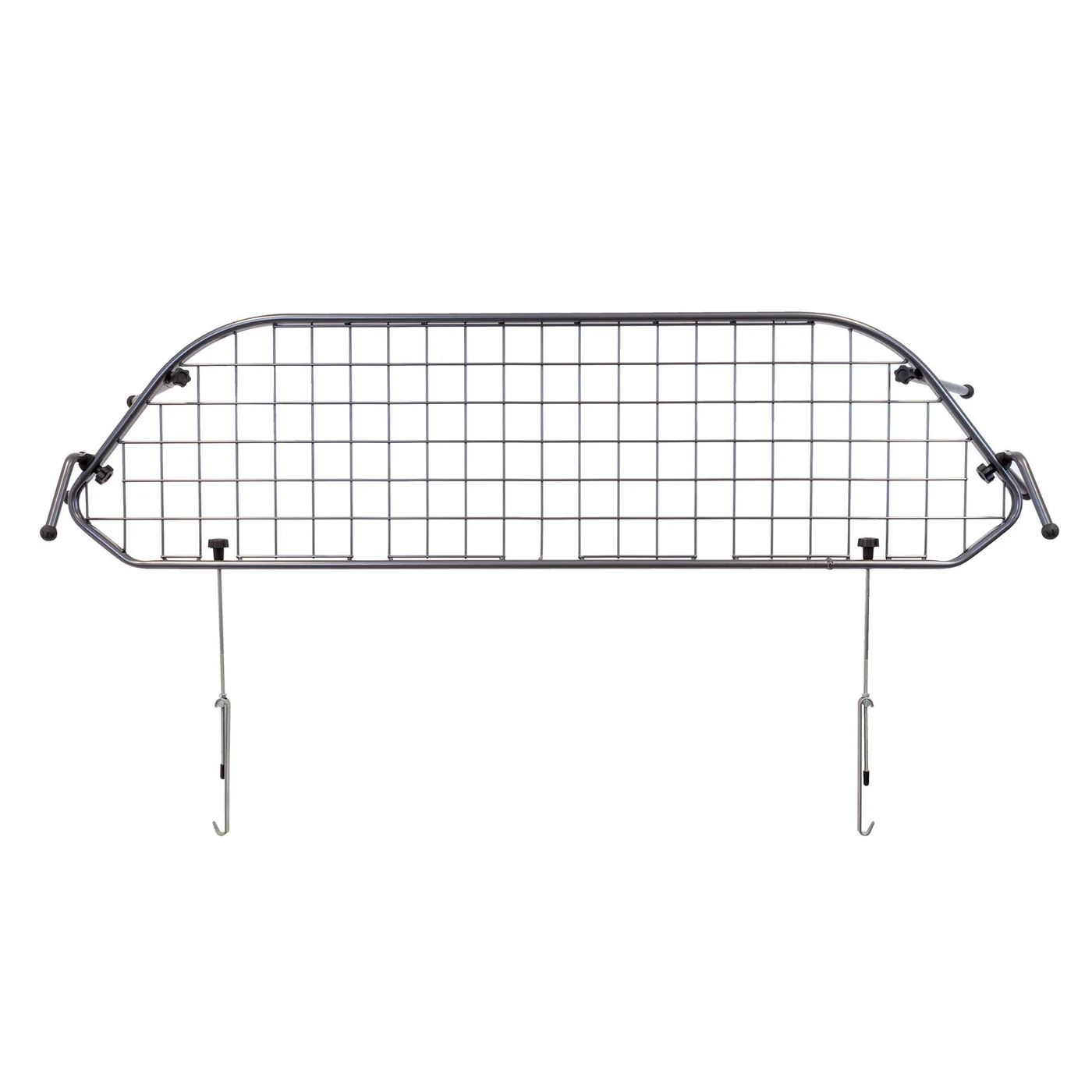
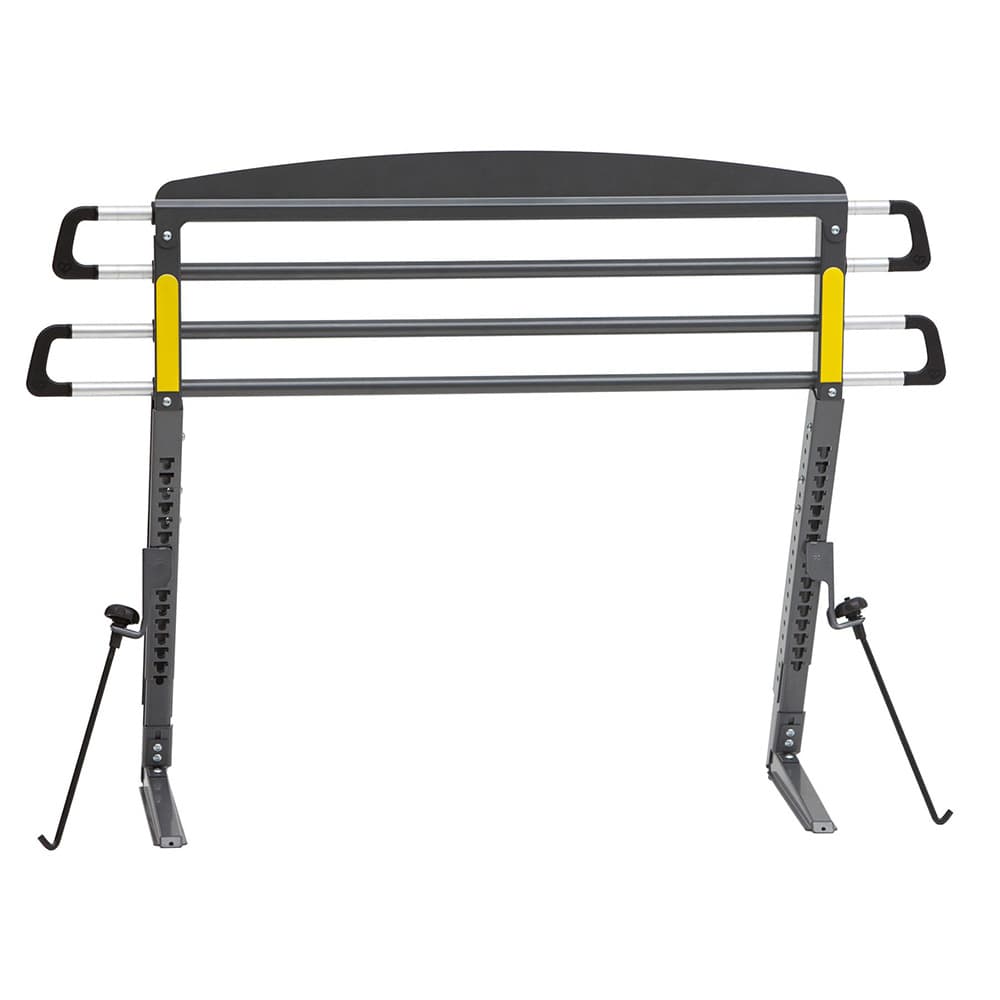
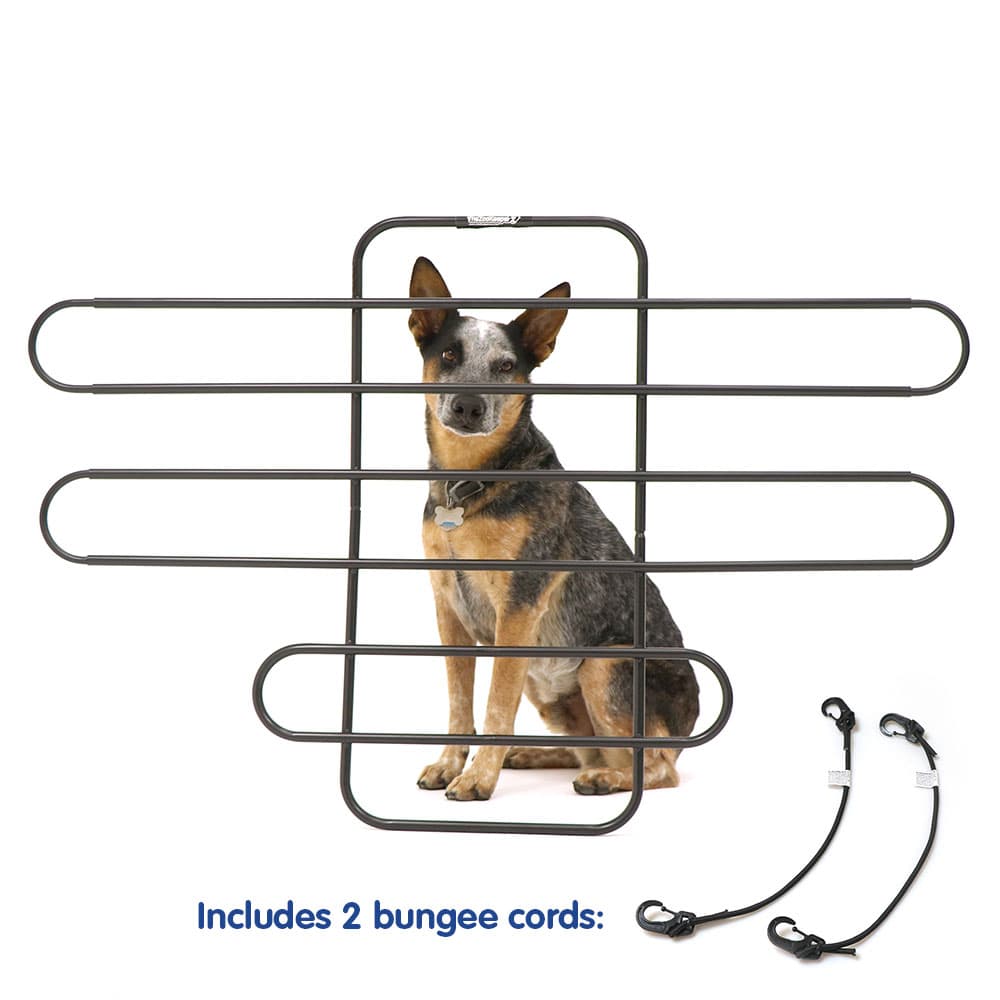
Use a barrier to reduce roaming and driver distraction while separately protecting the dog with an appropriate fitted transport restraint, preserving vehicle safety systems, securing cargo, maintaining airflow, and rechecking the installation throughout every trip.
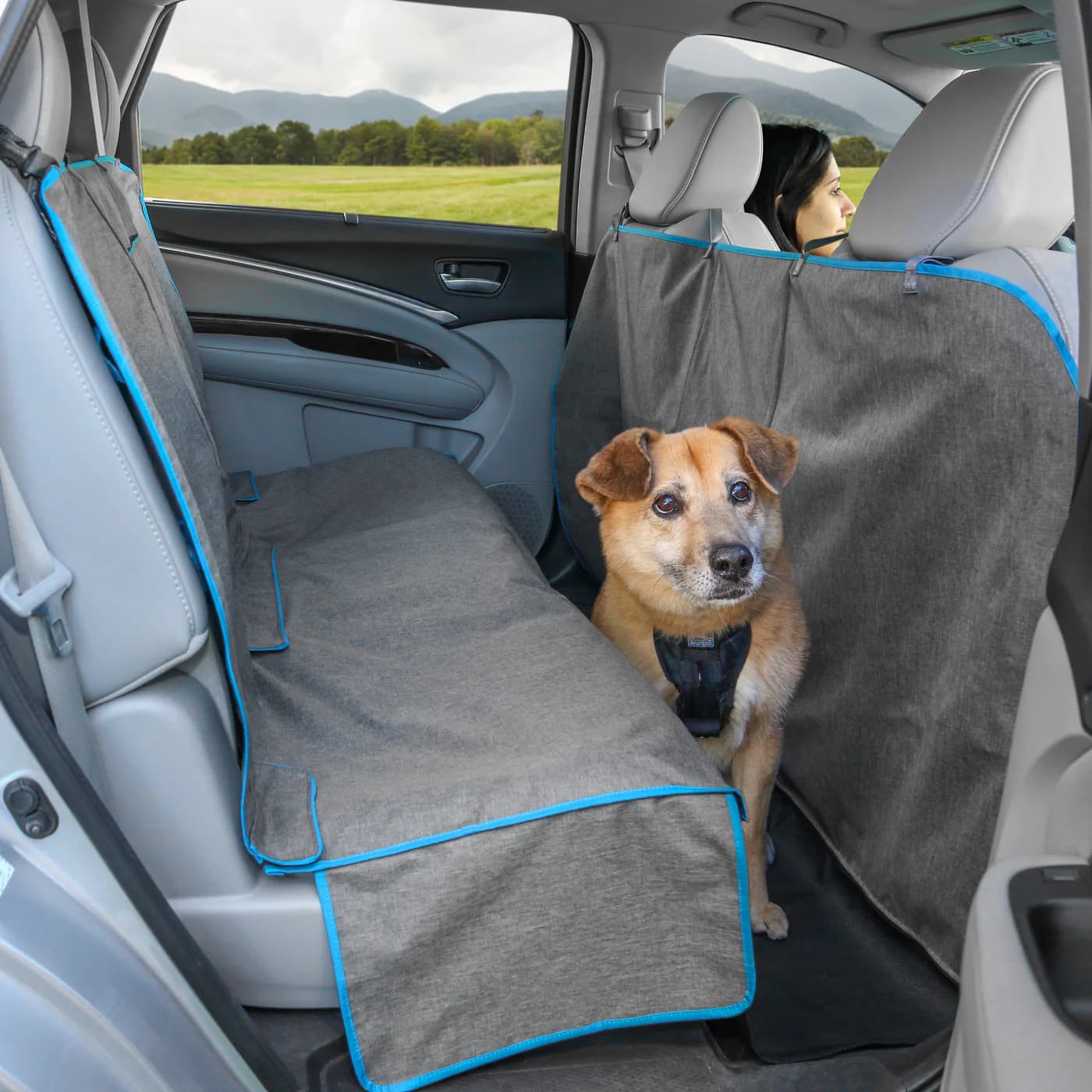
A dog car barrier manages cabin access. It can discourage climbing toward the driver and reduce roaming, but it does not connect the dog to a vehicle load path, limit crash excursion, or prevent ejection. NHTSA identifies uncontained pets as an in-vehicle distraction. FDA guidance places properly restrained pets in the back seat in a crate, carrier, or safety harness and warns that a front airbag can seriously injure or kill a pet. Use a fitted transport restraint even when a barrier is present. Treat safety or crash-tested wording as a claim: ask for the exact model, size, protocol, laboratory, pass criteria, and installation tested. Center for Pet Safety currently certifies listed harnesses, carriers, and crates, not ordinary compartment barriers. Absence from its list does not prove a barrier defective, but it gives no basis to call one CPS certified. Without product-specific evidence, describe its role only as reducing distraction and managing access.
Read the barrier and vehicle manuals for the exact model, year, body style, seating layout, and trim. Decide whether the dog will occupy a rear seat or cargo area, then measure width, height, floor-to-roof distance, headrest-post spacing, seatback angle, and escape gaps. Check head restraints, folding seats, tracks, belts, child-restraint anchors, cargo points, glass, roof shade, cameras, and vents. Locate front, side, curtain, and rear-seat airbags; keep mounts, straps, dog, restraint, and cargo outside each deployment zone in the vehicle manual. Federal standards 49 CFR 571.202a and 571.208 address human head restraints and occupant crash protection; they do not certify aftermarket pet barriers. Never remove, reverse, pin down, or misuse a head restraint contrary to the manual. Universal does not guarantee compatibility. If installation costs a passenger a usable belt, head restraint, airbag clearance, or safe seat, choose another layout.
Park level, switch the vehicle off, remove the dog and cargo, and inventory every panel, foot, strap, clamp, bolt, cap, and pad. Reject bent tubing, cracked plastic, frayed webbing, damaged threads, missing parts, or substitute bungees, zip ties, and brackets. Lock seats and head restraints in travel positions and follow the specified orientation and tightening sequence. Contact only surfaces both manuals permit; avoid glass, headliner, sunroof hardware, airbag covers, wiring, soft trim, and release controls. Tighten evenly to the stated setting because excess pressure can deform trim or make a mount slip. Preserve doors, hatch latches, folding paths, emergency access, vents, mirrors, and rear visibility. Never attach the dog restraint or cargo straps to the grid; use points approved for the harness, carrier, or crate. Push and pull the barrier in every direction. It should not lift, rotate, expose a sharp edge, or leave a head- or paw-sized gap.
Use a barrier with a dog that can settle in the vehicle, not to overpower panic or escape behavior. Start parked in a quiet place. Reward voluntary entry while the dog practices the fitted crate, carrier, or travel harness used on the road. Add the barrier, briefly close doors, start the engine, and progress to short drives one variable at a time. A passenger may observe, but the driver must never look back, reach through the panel, feed treats, or adjust equipment while moving. Stop for clawing, chewing, climbing, impacts, a limb through an opening, entanglement, continuous vocalizing, heavy panting or drooling, or inability to lie down. Avoid long tethers that can wrap around the barrier, legs, seats, or cargo. Ask a veterinarian about pain, motion sickness, severe anxiety, or sedatives. FDA recommends acclimating pets to their restraint before travel. Training reduces stress; it does not improve crash performance.
A pet barrier is not automatically a load-rated bulkhead. Do not expect it to stop luggage, coolers, tools, camping gear, batteries, or a crate during sudden braking. NHTSA advises tying loads down, securing large objects directly, avoiding overloading, and considering bumps or collisions. Follow the vehicle manual for payload and approved tie-down points. Place heavy items low and as far forward as permitted, use rated straps or nets, and keep hard or sharp objects outside the dog's reach and crash path. Secure small items too, including bowls, leash clips, bottles, phones, food, and first-aid kits. Do not hang bags, toys, or organizers from the barrier unless both manufacturers permit that load. Cargo must not press the panel toward the dog, block doors, exits, vents, mirrors, or cameras, or interfere with the separate pet restraint. Replan whenever seats, passengers, or gear change. Barrier, pet restraint, and cargo control remain independent systems.
Before departure, confirm seats and head restraints are locked; clamps, feet, straps, bolts, and pads are tight; gaps have not grown; and no sharp or pinch point is exposed. Verify the dog cannot reach the driver, controls, or an airbag zone. Check the separate harness, carrier, or crate, secured cargo, doors, hatch, airflow, mirrors, cameras, and sight lines. Test a new installation empty at low speed. Recheck after five to ten minutes at a safe parked stop, after rough roads, and whenever a seat, headrest, passenger, crate, or load moves. Vibration, temperature, upholstery compression, and leaning can reduce tension. Never reach backward while driving; park first. Stop using a setup that shifts, bows, rattles suddenly, contacts glass, loosens seating hardware, blocks a restraint, shows damage, or permits climbing or entanglement. Do not simply overtighten—unload and correct the cause.
A divided rear cabin can have different airflow and temperature from the dashboard area. Keep barriers, crate covers, and cargo from blocking vents or trapping the dog in sun, and monitor the dog's zone. A barrier never makes a parked car safe. FDA says never leave a pet unattended even briefly and cites an estimate that an 80°F day can produce 114°F inside in 30 minutes. AVMA shows an almost 30°F rise within 20 minutes. Cracked windows, shade, remote-start climate control, fans, water, and mesh cannot replace a person; equipment can stop and sun angles change. Keep the dog restrained in the rear while moving and do not allow its head outside a window. At a safe stop, respond to persistent heavy panting, drooling, weakness, vomiting, disorientation, collapse, breathing difficulty, or rapid behavior change. Move out of heat and contact a veterinarian or emergency hospital. Plan pet-friendly stops and handoffs so the dog is never alone.
If the dog breaches the barrier or equipment shifts, control the vehicle and park safely before reaching back. Attach a leash before opening a door or hatch. After hard braking, a near miss, or an accident, assess people first and call emergency services when needed, then seek veterinary advice because injury may be hidden. Retire a barrier after impact or if it moved, bent, cracked, lost a cap, pulled a fastener, stretched a strap, damaged seating, or fails its original fit check. Follow the replacement policy; do not straighten, glue, or add improvised ties. Inspect the pet restraint or crate and the vehicle's seats, head restraints, belts, anchors, airbags and warning lights, cargo points, doors, glass, and trim. Obtain qualified inspection before reuse. Photograph installation and damage; retain model, lot or serial number, instructions, receipt, and incident details. Report a suspected defect to the manufacturer or retailer; NHTSA accepts vehicle-equipment safety complaints. Rebuild the next setup from the manuals rather than trusting appearance.
We used these primary or authoritative references when checking this guide. Product instructions and local rules can change, so confirm details that affect your trip.
Yes. It explains the main decision points in plain language and links to relevant product reviews when published options are available.
No. Prices, coupons, stock, and shipping terms can change. Confirm the current offer on the retailer page before checkout.
Related content