Plan the route and veterinary needs first, then pack by module, secure the dog separately from the gear bag, and use departure, rest-stop, and arrival checks to catch problems early.
Plan the trip before filling the bag. Confirm that every stop, lodging property, trail, campground, and border crossing accepts dogs, then save the current rules offline. Ask your veterinarian whether the route, weather, duration, and planned activity suit this dog, especially when age, pregnancy, chronic disease, anxiety, motion sickness, or medication is involved. Note nearby regular and emergency clinics along the route and at the destination. Build the packing list around the dog's normal routine plus realistic delays rather than copying a generic list. A travel bag organizes supplies; it is not a carrier, vehicle restraint, flotation device, medical kit, or substitute for supervision. Keep the dog secured separately in the transport setup chosen for the vehicle, and place the bag where it cannot become a projectile or block ventilation, exits, mirrors, pedals, seat controls, or safety equipment.
Put identification and records in a dry, quickly reachable pouch, with encrypted digital backups available offline. Carry current contact details, microchip number and registry, a recent clear photo, vaccination and health records required by the destination, veterinarian contact information, insurance details if applicable, and permits or entry documents. USDA APHIS advises travelers to check the destination's animal-health requirements early because certificates, tests, treatments, endorsements, and timelines vary. Keep an ID tag with a reachable phone number on the dog, and verify the microchip registration before departure. Do not display unnecessary personal data on the outside of the bag. For an international or interstate trip, use official government instructions rather than a blog checklist. Recheck requirements shortly before leaving because rules can change, and keep original documents with the responsible adult rather than inside luggage that may be checked or left in a vehicle.
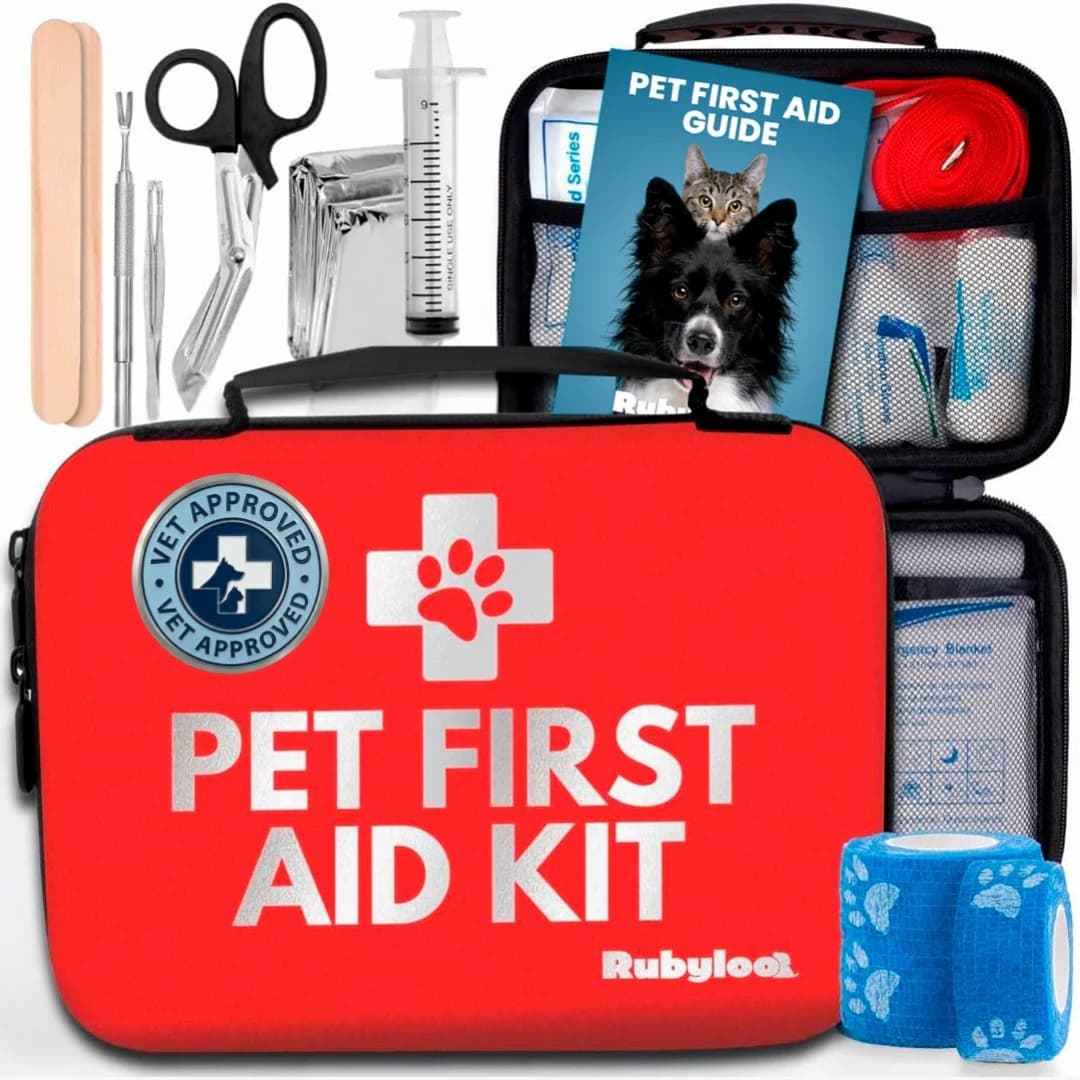
Pack prescription medicines in their original labeled containers and bring enough for the planned trip plus a veterinarian-approved delay margin. Keep the prescribing clinic's contact details and written dosing instructions with the medicines. FDA guidance says never give an animal a human medicine or another animal's medicine unless a veterinarian directs it; common pain medicines can seriously harm pets. Protect medicines from heat, moisture, sunlight, and unauthorized access, and use a cooler only when the label or veterinarian requires the specified temperature range. A veterinary first-aid kit can hold gloves, gauze, nonstick pads, tape, saline, a digital thermometer, blunt scissors, tweezers, a towel, and emergency contacts, but only after the veterinarian confirms an appropriate list. First aid does not replace veterinary care. Know where the kit is, check expiration dates, and never pack improvised sedatives or emergency drugs without explicit professional instructions.
Carry the dog's familiar complete food in a sealed, labeled container, measured by day with extra for delays. Sudden diet changes can cause digestive problems, so do not depend on finding the same formula at the destination. Pack clean drinking water when the route lacks a reliable source, plus separate food and water bowls, a scoop, and cleaning supplies. CDC advises preventing pets from drinking untreated water because lakes, rivers, and streams can contain harmful germs or toxins. Do not let wet bowls, open food, treats, medicines, and waste supplies mix in one compartment. Wash hands before handling food and after waste cleanup, and clean bowls with safe water. Store food away from wildlife and follow campground food-storage rules. Offer water and meals according to the dog's normal needs and veterinary advice; do not force a large meal immediately before activity or use unfamiliar supplements to compensate for poor planning.
Separate the travel bag into labeled zones: documents and medicine; food and water; leash, harness, waste bags, towel, and cleaning items; weather or paw gear; and a small arrival kit. Put the first items needed during a stop at the top. Use leakproof inner bags, but allow damp equipment to dry instead of sealing it until mildew develops. Inspect the harness, leash, collar, tags, bowls, closures, and any weather layer before packing. Bring a spare leash and a familiar resting mat, but avoid duplicating heavy items without a clear use. Weigh the packed bag and confirm that the person carrying it can lift and control it safely. The dog's restraint, crate, or carrier belongs in its manufacturer-approved position, independent of the supply bag. Never clip a dog to bag handles, luggage loops, seat-cover straps, or cargo hooks unless a product and vehicle manufacturer explicitly design that point for the intended load.
Prepare for separation, delay, severe weather, evacuation, and vehicle failure. FEMA recommends including pets in household emergency plans, identifying pet-friendly shelter or lodging options, and maintaining food, water, medicines, records, identification, sanitation supplies, and a sturdy carrier or crate. Put an emergency contact card inside the bag and decide who can care for the dog if the primary traveler is injured. Download maps and contact numbers, carry a charged phone and backup power, and keep a paper version of critical information. Add season-specific items only when they fit the forecast and dog: a dry towel, warm layer, paw protection, shade, cooling water, or insect-removal tool may be useful, but no accessory makes dangerous heat, smoke, cold, floodwater, or terrain acceptable. Leave early or change plans instead of treating equipment as permission to continue in unsafe conditions.
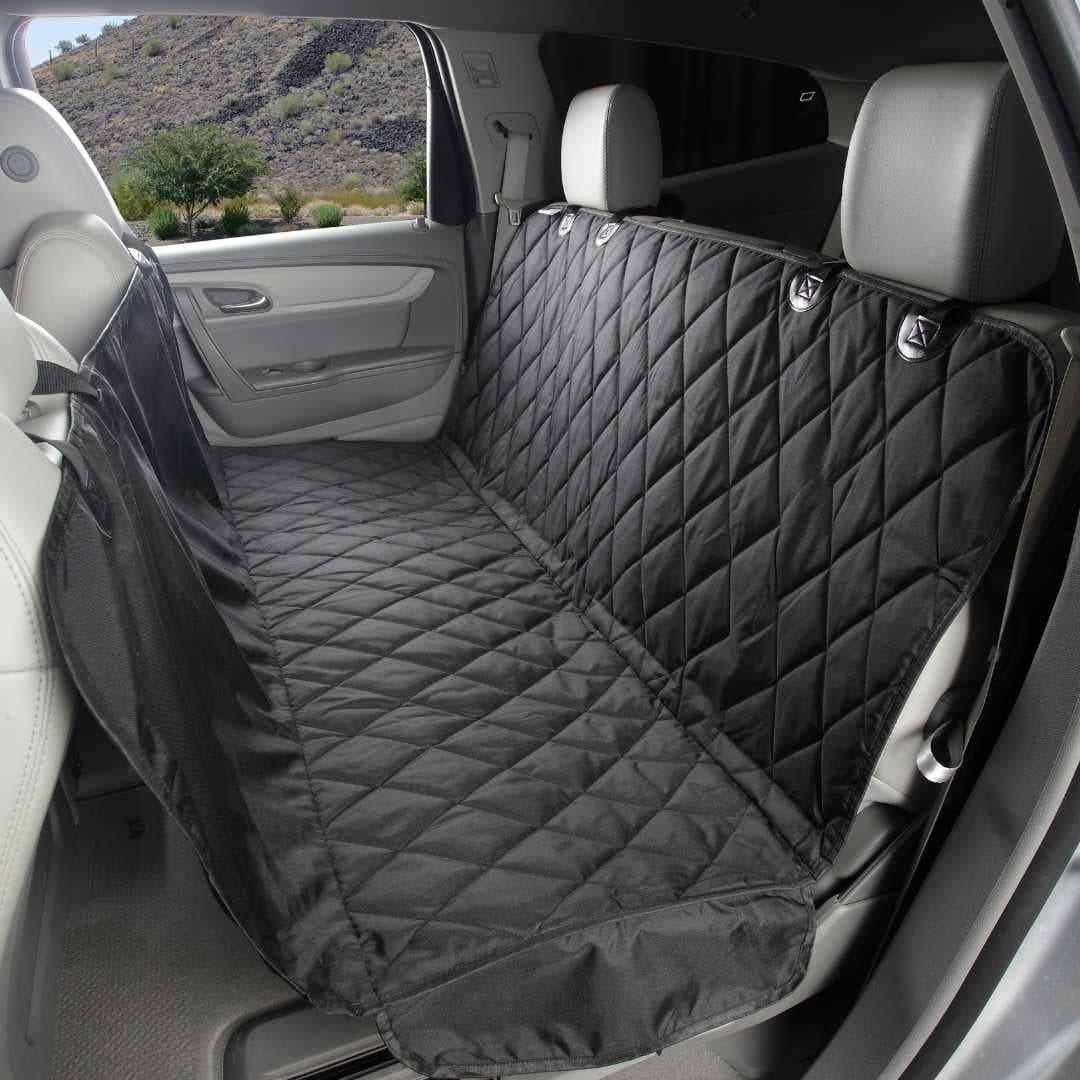
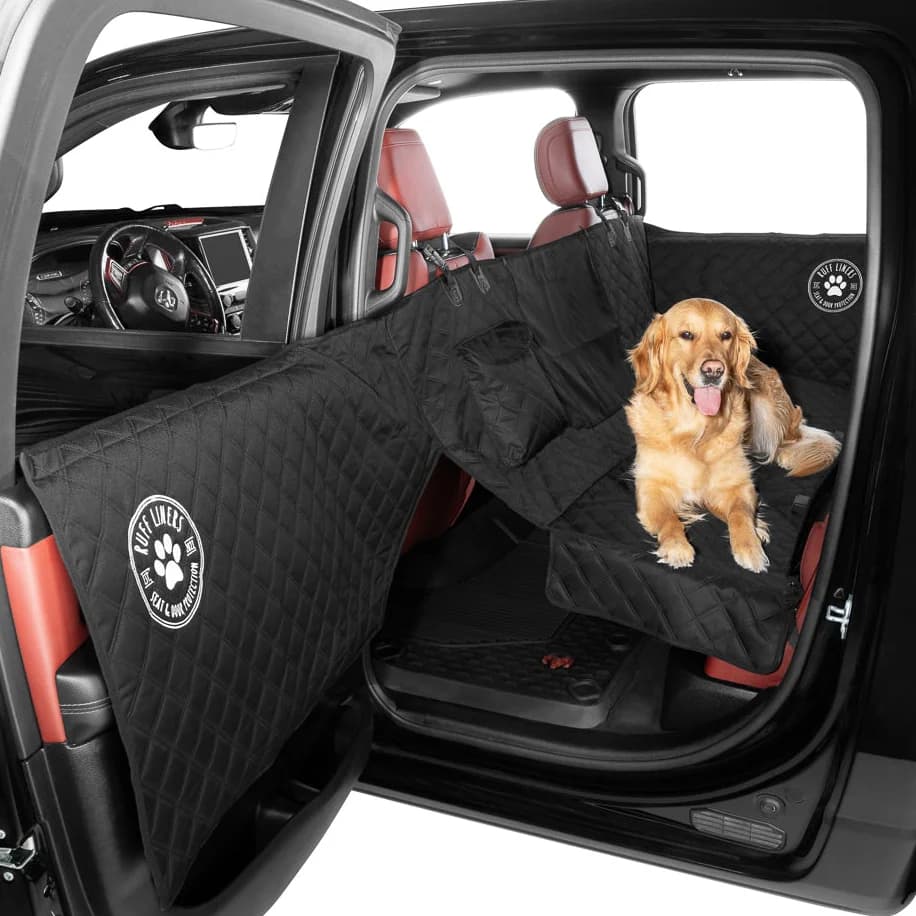
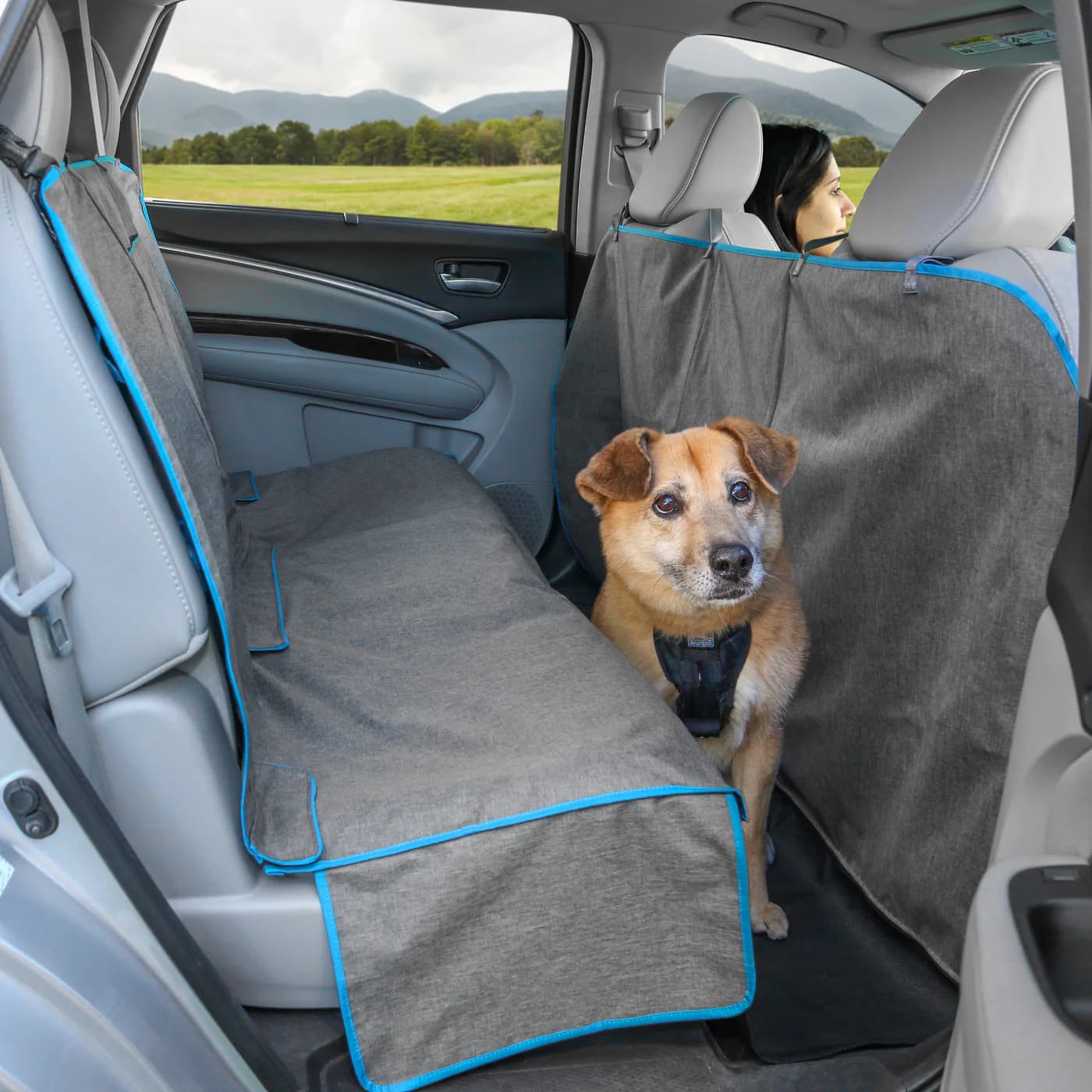
Load the vehicle so the dog, people, bag, and other cargo each have a safe place. Secure the bag low and away from the dog with the vehicle's approved cargo features; do not stack hard objects where they can fall into the travel area. Keep food, medicines, batteries, cleaners, and sharp tools inaccessible to the dog. Confirm ventilation and visibility, then test doors, gates, carrier closures, harness connections, and cargo restraints before moving. Never leave a dog unattended in a parked vehicle: temperature can become dangerous quickly even when the day feels mild or windows are partly open. At every departure, count the dog and essential items, check that identification is attached, and make sure no leash trails near a door, wheel, or drivetrain. One adult should control the dog while another opens cargo or passenger doors whenever an escape could occur.
Use planned breaks to reassess the dog and the kit, not merely to meet a timetable. Stop in a lawful, secure place; attach the leash before opening the vehicle or carrier, offer water, allow an appropriate toilet break, and check breathing, gait, paws, appetite, comfort, and behavior. Repack wet or used items separately, replenish water, record any medicine given, and confirm that all closures and cargo restraints are secure before continuing. Seek veterinary guidance for persistent vomiting or diarrhea, pain, lameness, unusual weakness, disorientation, or breathing that does not settle. Collapse, seizure, severe bleeding, suspected poisoning, breathing difficulty, or suspected heat illness needs urgent help. On arrival, inspect the room or campsite for escape gaps, toxic substances, wildlife, sharp debris, unsecured food, and unsafe water before releasing the dog. After the trip, clean and dry the bag, replace expired or used supplies, update records, and note what genuinely helped.
We used these primary or authoritative references when checking this guide. Product instructions and local rules can change, so confirm details that affect your trip.
Yes. It explains the main decision points in plain language and links to relevant product reviews when published options are available.
No. Prices, coupons, stock, and shipping terms can change. Confirm the current offer on the retailer page before checkout.
Related content