Learn how to preserve labels and lot numbers, choose between rigid and soft travel containers, manage heat and cold-chain limits, clean feeding gear, and store dog food as a wildlife attractant wherever local rules require.
Ruffwear
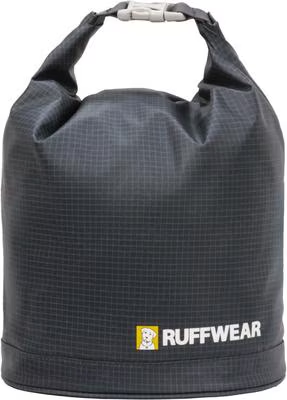
A 10-liter soft carrier with a food-grade waterproof-finished liner, roll-top closure, fold-out dispensing spout, internal compartment, and bottom grab handle. It compresses as kibble is used, which makes it more space-efficient than a rigid bin in a packed vehicle.

Treat food freshness and wildlife protection as two separate jobs. First calculate the amount of the dog's normal diet needed for each meal, add a modest delay allowance, and keep feeding directions, ingredient information, the lot number, UPC, and best-by date available. CDC travel guidance recommends bringing enough familiar food, water, and a bowl. Then read the current campground, park, or forest food-storage rules for every overnight stop. Those rules may classify pet food and bowls as attractants and may require a locker, hard-sided vehicle, or approved bear-resistant container. A Ruffwear Kibble Kaddie Medium may organize a measured trip supply, but its current capacity, closure, care directions, and intended use still need to be checked.
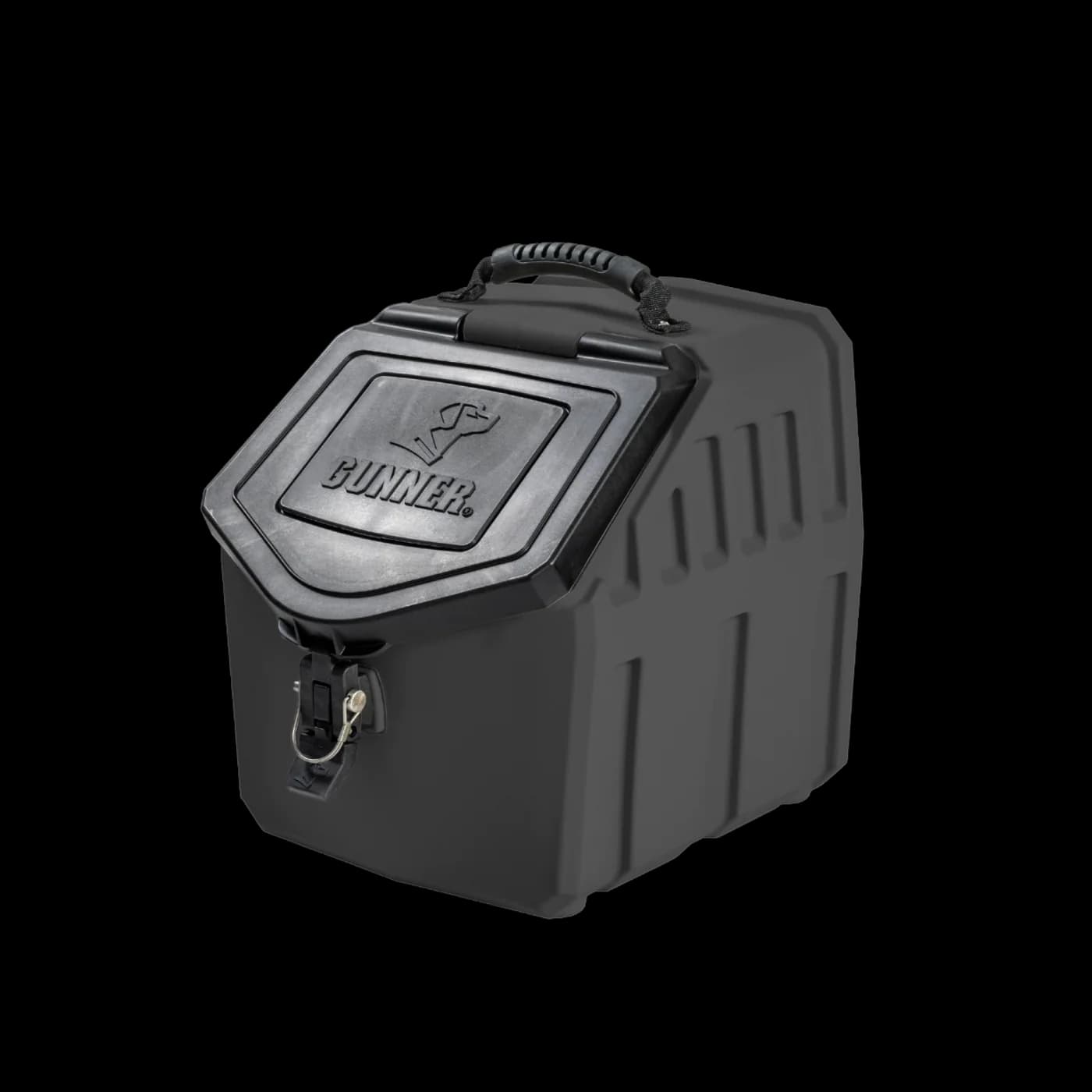
GUNNER
A 30-pound-capacity rotomolded polyethylene crate with an airtight thermoplastic-rubber gasket, IP66 waterproof rating, draw latch, security pin, raised feet, central handle, and U-Pour opening. It is the most protective option here, but it is also the heaviest and most expensive.
FDA recommends retaining pet food in its original bag because that package preserves the product name, manufacturer, lot number, UPC, and best-by information needed for a recall or complaint. Fold or roll the opened top tightly, secure it, and place the whole bag inside a clean, dry secondary bin when space permits. Before choosing a Gunner Food Crate 30 for a vehicle or RV, compare its current inside dimensions with the actual food bag and verify the manufacturer's cleaning and closure instructions. Do not assume a capacity name equals the pounds of every kibble because density and bag shape vary. Store the container below 80°F in a dry location, following FDA guidance, and protect it from direct sun and wet gear. A locked rigid bin may deter a dog or ordinary pests, but it must not be described as bear-resistant unless the exact model has applicable certification and local approval.
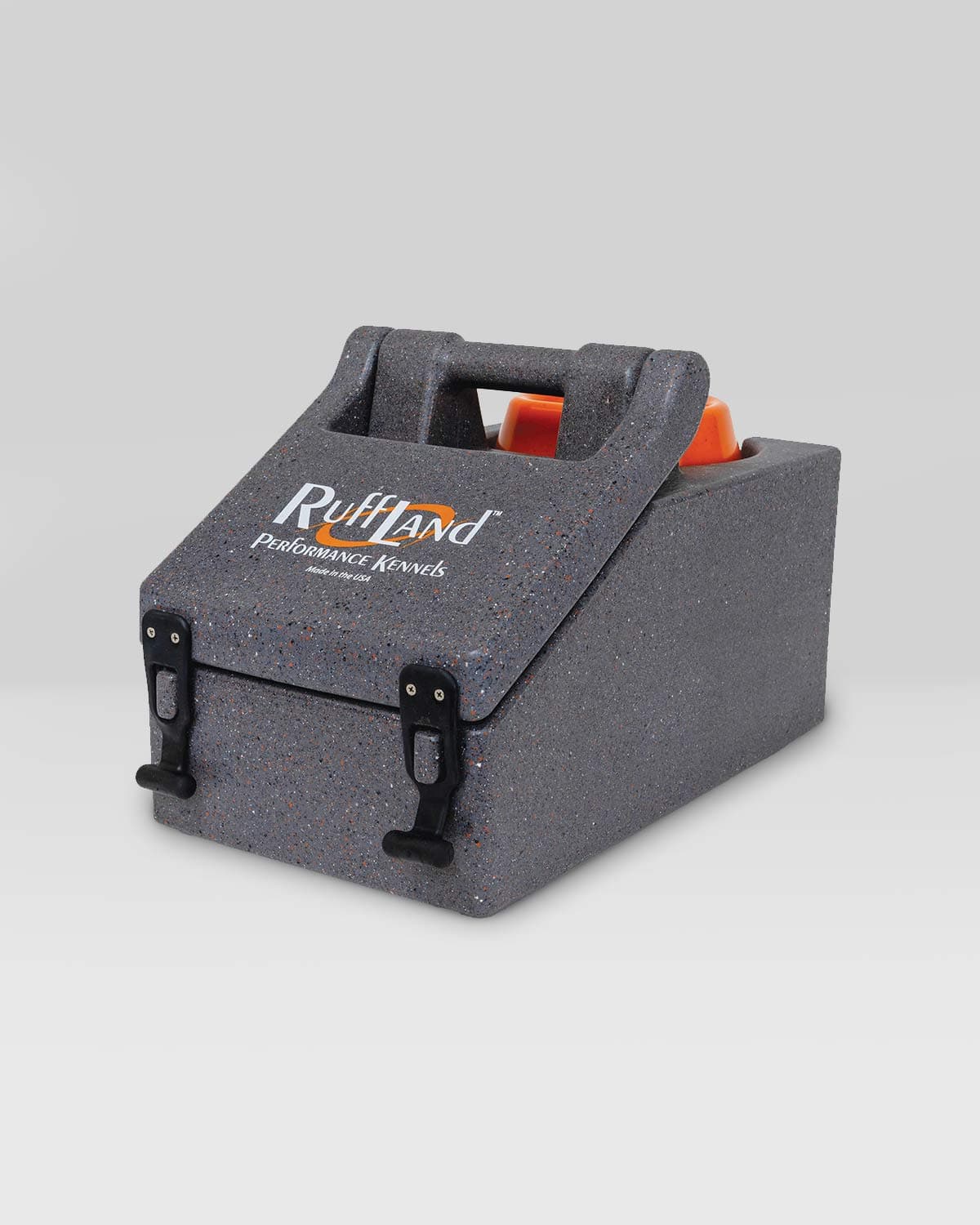
RuffLand
A made-to-order, pet-safe polyethylene hard box with an airtight sealing lid and included measuring scoop. The Mini is sized for more compact vehicle and kennel layouts while retaining rigid protection that soft kibble bags cannot provide.
Backcountry canisters, compact cars, and small campers do not always fit a full retail bag. If repacking is necessary, photograph the front and back labels, lot code, UPC, best-by date, and feeding table before leaving home. Use a dedicated food-contact container or clean, fully dry liner that closes reliably; never top off old crumbs with a new batch. Wash and dry the container between foods so residual fats, moisture, and debris are removed. A Ruff Land Chow Box Mini can be assessed as a compact rigid option, but buyers should confirm its current materials, usable volume, seal, latch, dimensions, and care instructions instead of relying on a product name. Label the packed food with the dog, formula, packing date, and daily amount. Keep prescription or therapeutic diets clearly separated.
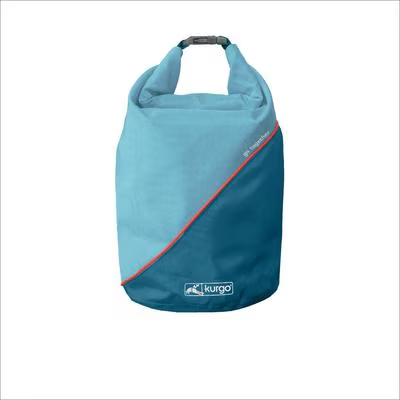
Kurgo
A ripstop roll-top carrier that holds about 5 pounds or 20 cups of kibble. A heat-sealed, food-safe PEVA liner limits kibble-oil seepage, while a side zip pocket and a bottom bowl pocket organize small feeding accessories.

A flexible food bag can reduce bulk and make a day's meals easy to reach, but fabric is not a substitute for a hard-sided pest barrier, food locker, or certified bear-resistant container. Check the Kurgo Kibble Carrier's current capacity, seam construction, closure, lining, and washing directions before assigning it to a trip. Keep the carrier dry, close it immediately after measuring a meal, and place it inside the destination's required wildlife-storage system whenever it is unattended. Do not leave it in a tent, open pickup bed, roof basket, or beside the dog's sleeping area. If oil, odor, or crumbs migrate through the lining, clean it according to the label and allow it to dry completely before refilling. Flexible carriers are best treated as transport organizers inside a larger storage plan. They should not be advertised as airtight, waterproof, rodent-proof, or bear-resistant unless the exact manufacturer documentation supports that specific claim.
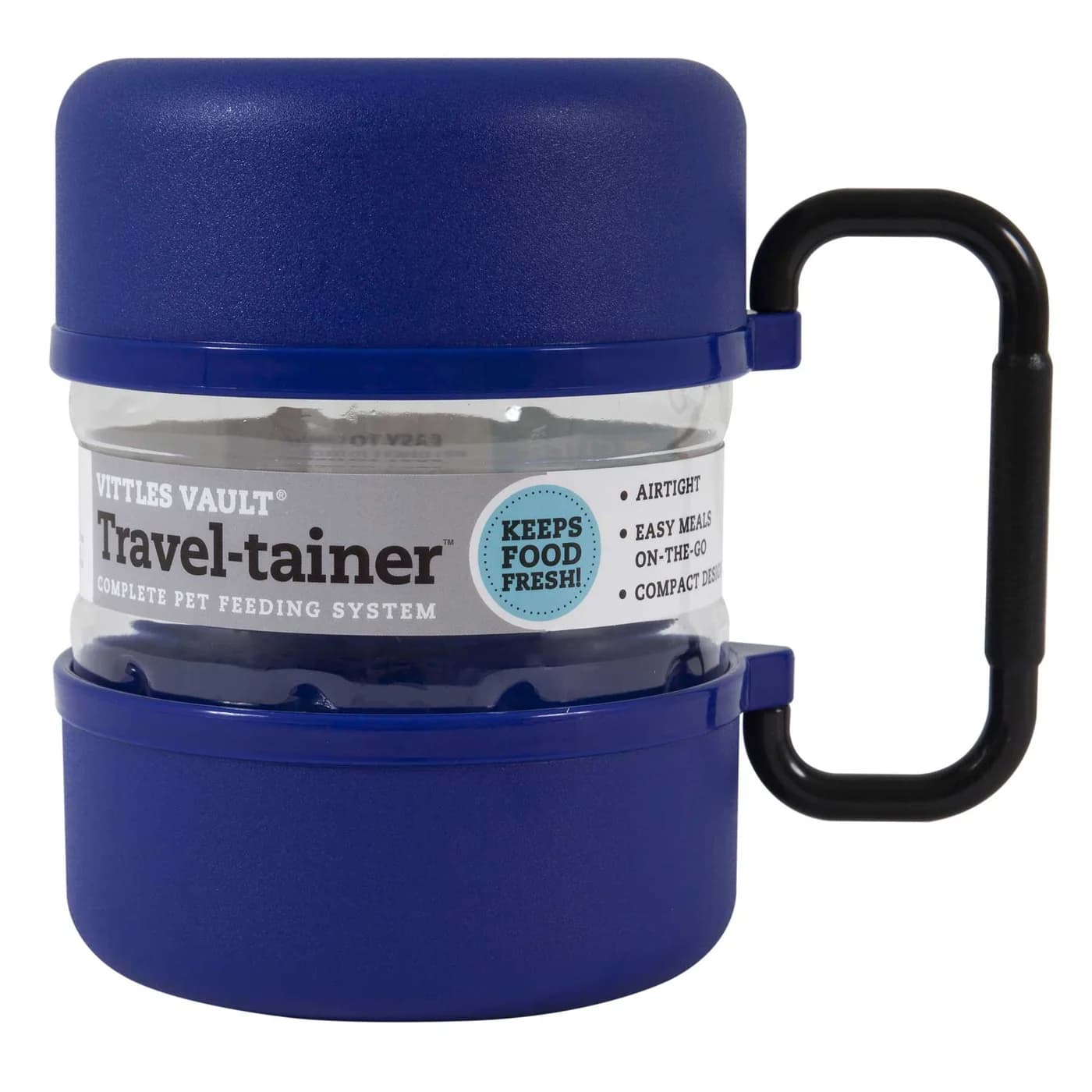
Petmate
A six-cup clear food chamber that nests between two three-cup bowls and locks together with a carry handle. The BPA-free food-grade plastic, proprietary airtight seal, and built-in serving pieces make it particularly useful for short trips and measured meals.
Pre-measuring can reduce repeated handling and prevent accidental overpacking, but each portion still needs a clean, dry enclosure and a readable label. A Petmate Vittles Vault Travel-Trainer may suit a small measured supply or feeding stop; verify its current food capacity, lid operation, bowl function, and cleaning directions before relying on it. Use a dedicated scoop rather than the dog's bowl to reach into a larger bag. FDA advises washing food bowls and measuring utensils after each use, while CDC recommends cleaning wet-food bowls after every use and dry-food and water bowls at least daily. Carry potable water and enough soap and clean water for the method the product label allows. If a container falls into dirty meltwater, develops a damaged seal, or cannot be dried before refilling, move uncontaminated food to a clean spare container rather than mixing it with damp residue.
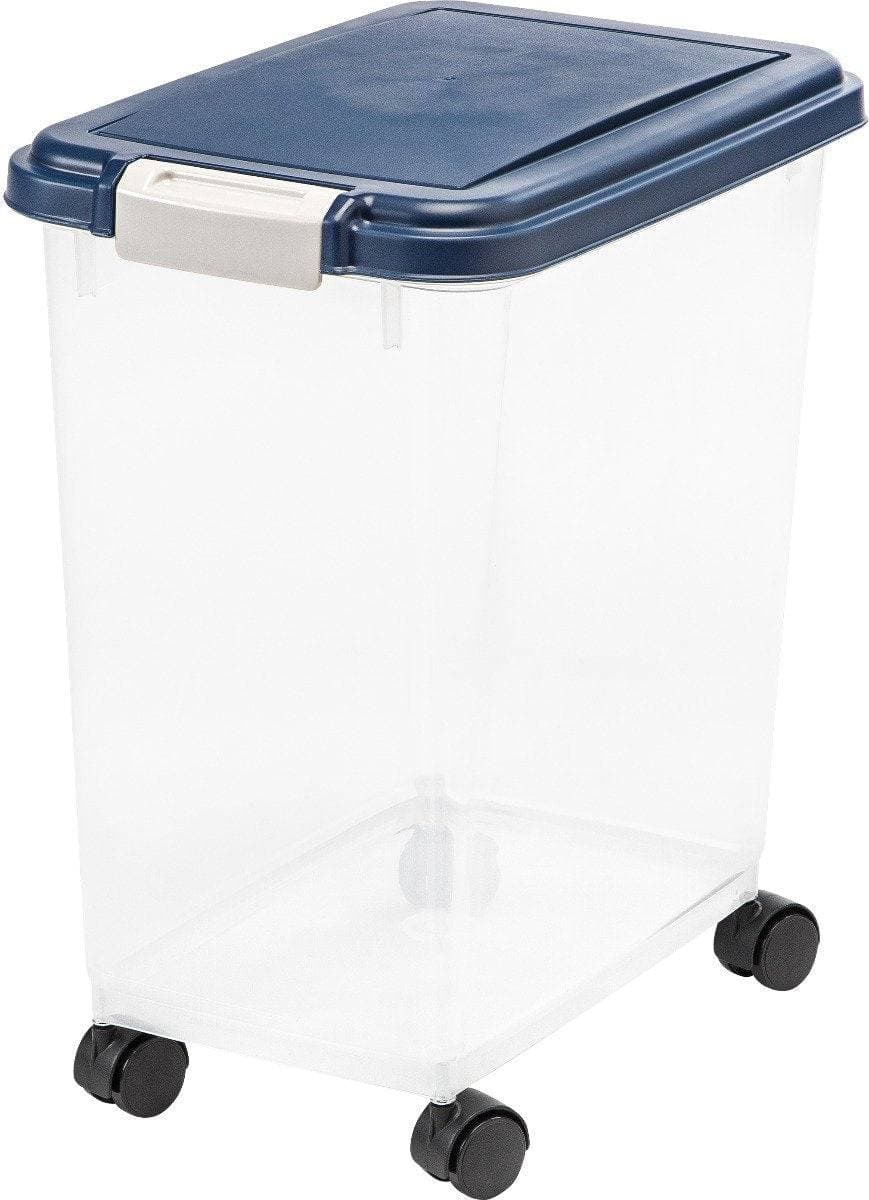
IRIS USA
A translucent 33-quart BPA-free plastic bin with an airtight seal, snap-lock lid, wide opening, and removable casters. It offers substantial pantry capacity at a modest price for RVs and cabins, but it needs a secure location where pets and children cannot access or climb into the container.
For a long RV stay or vehicle-supported campsite, a larger bin can keep the retail bag upright and separated from muddy equipment. The IRIS USA 33 Quart WeatherPro product page describes an airtight seal, snap-lock lid, wide opening, casters, and a BPA-free container, but the actual amount of kibble it holds depends on food shape and bag dimensions. Measure the available cabinet or cargo space, confirm that the whole bag fits without tearing, and make sure the lid can open fully for cleaning. Keep the bin away from heaters, damp compartments, and sun-warmed windows. FDA says dry food and unopened canned food should remain in a cool, dry place below 80°F; a parked vehicle can quickly exceed that target. The WeatherPro label concerns food storage, not bear resistance, so the bin still belongs in a park-provided locker or other locally compliant location when wildlife rules apply.
Shelf-stable cans and pouches are easier to transport before opening, but FDA says unused opened portions should be refrigerated promptly or discarded and the refrigerator should be 40°F or below. Follow the exact product label rather than using one brand's refrigerated lifetime for every food. Pack perishable food directly from a refrigerator or freezer into an insulated cooler or powered refrigerator with sufficient cold sources and a thermometer. Keep it closed and shaded, and separate pet food from leaking raw human food. CDC does not recommend raw pet food because it can expose pets and people to harmful germs; freezing, freeze-drying, or dehydration does not reliably eliminate every pathogen. If a reader chooses raw food despite that advice, it should remain sealed and separate, thaw in a refrigerator, and be handled according to its label and veterinary guidance. When reliable refrigeration is unavailable, select an appropriate shelf-stable diet before departure with professional advice rather than improvising at camp.
National Park Service guidance treats scented items broadly, and individual parks explicitly include pet food and bowls. Secure them as soon as feeding and cleanup finish; never store food in a tent or leave it unattended on a picnic table. Vehicle rules are not universal. Some destinations allow food out of sight in a locked hard-sided vehicle, while Yosemite permits that only during daylight and requires a food locker after dark. Soft-sided campers, pickup beds, and ordinary coolers may not qualify. Check the exact park page and permit before arrival. An airtight pet-food container is not automatically bear-resistant. IGBC certification also is not a promise that a product is bear-proof or approved everywhere; match the exact model and certification number to the current list and confirm local acceptance. Follow destination-specific instructions for locker use, canister placement, food hangs, garbage, dishwater, and distances from sleeping areas rather than applying one national rule.
After feeding, collect dropped kibble, seal unused food, wash and dry the bowl and scoop, and store food, treats, bowls, wrappers, and scented cleanup gear in the required location. Pack out leftovers and trash unless the site provides an approved receptacle. Before the next meal, inspect the package and container for moisture, insects, gnawing, broken closures, swelling, leaks, discoloration, or an unusual odor. Do not feed from a swollen or leaking can, a torn contaminated bag, or food that has become wet or unreasonably hot. FDA advises stopping the food and contacting a veterinarian if a pet becomes ill after eating it; keep the package record so the manufacturer and FDA can identify the batch. This guide supports storage planning rather than individualized nutrition or medical advice. Dogs using prescription diets, dogs with health conditions, and travelers changing food format should obtain veterinary guidance before departure, not after the normal supply has run out.
We used these primary or authoritative references when checking this guide. Product instructions and local rules can change, so confirm details that affect your trip.
Yes. It explains the main decision points in plain language and links to relevant product reviews when published options are available.
No. Prices, coupons, stock, and shipping terms can change. Confirm the current offer on the retailer page before checkout.
Related content