Learn how to remove mud without grinding grit into paw pads, rinse away deicer and unknown residue, inspect between the toes, dry every paw thoroughly, and reset a portable cleaning kit after hikes, campsites, and road trips.
Dexas
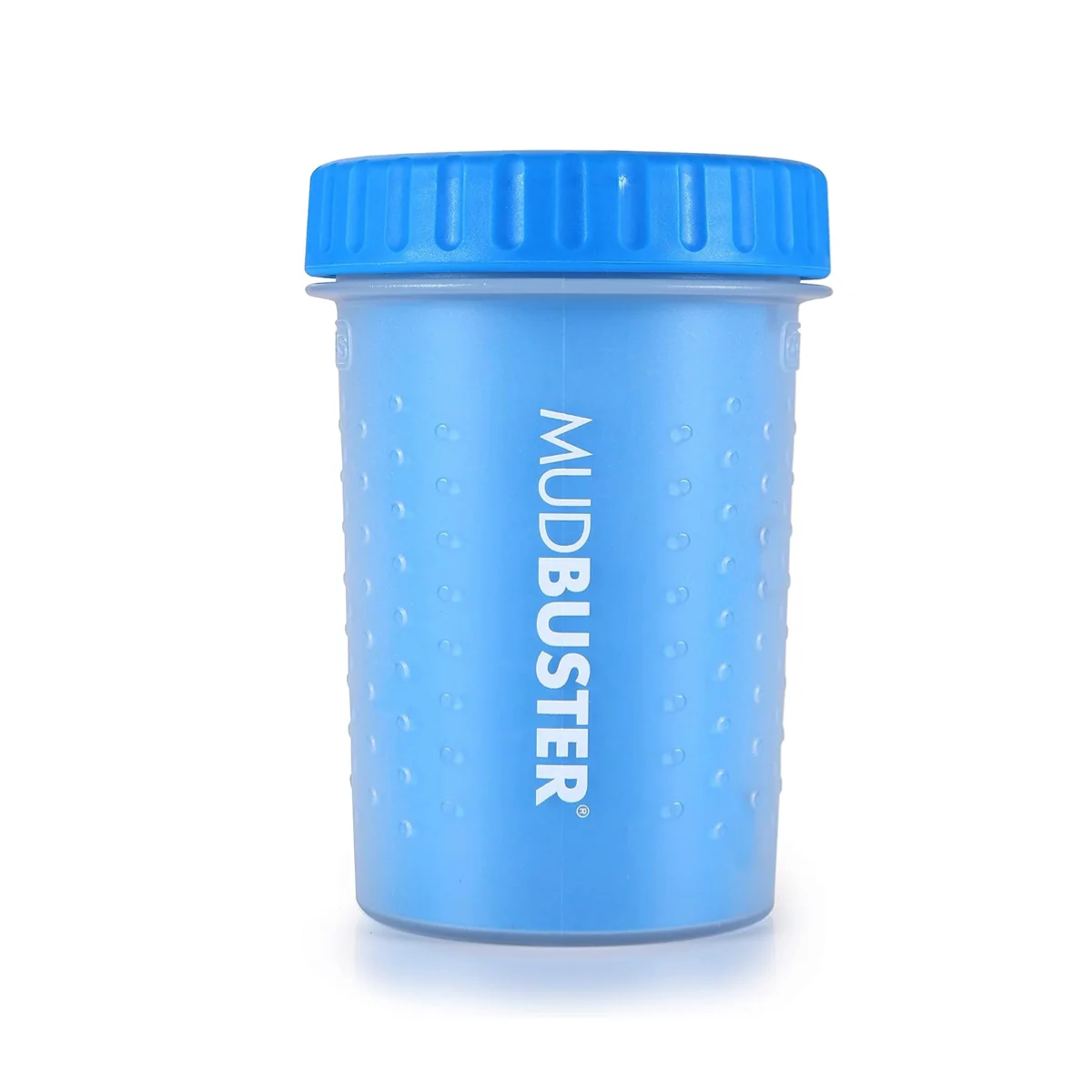
MudBuster surrounds a paw with soft silicone bristles inside a grippable cup: add water, insert the paw, twist gently, remove, and towel dry. The official range offers petite, medium, and large openings for paws up to 2, 2.5, and 3.5 inches respectively. Its removable insert, top-rack dishwasher care, deep first-party gallery, and current size inventory provide the strongest all-around evidence package, although it still needs clean water and a drying towel.
Set up the cleaning stop before the dog jumps into the vehicle: leash secured, clean towel open, dirty towel separate, water within reach, and a bag ready for used wipes. First decide what is on the paws. Ordinary soil and clay need a different response from road salt, deicer, oily parking-lot residue, stagnant water, or a possible harmful algal bloom. Check whether the dog is limping, holding up a paw, or resisting touch before placing any foot into a cleaner. Let thick surface mud dry briefly when practical, then brush or crumble off loose clods so grit is not ground across the pads. A Dexas MudBuster Portable Dog Paw Cleaner can contain the remaining rinse at the car, but the cup is a cleaning tool rather than a diagnostic shortcut. If you see a deep puncture, exposed tissue, active bleeding, or a firmly embedded object, stop the routine and seek veterinary guidance instead of scrubbing.
Kurgo
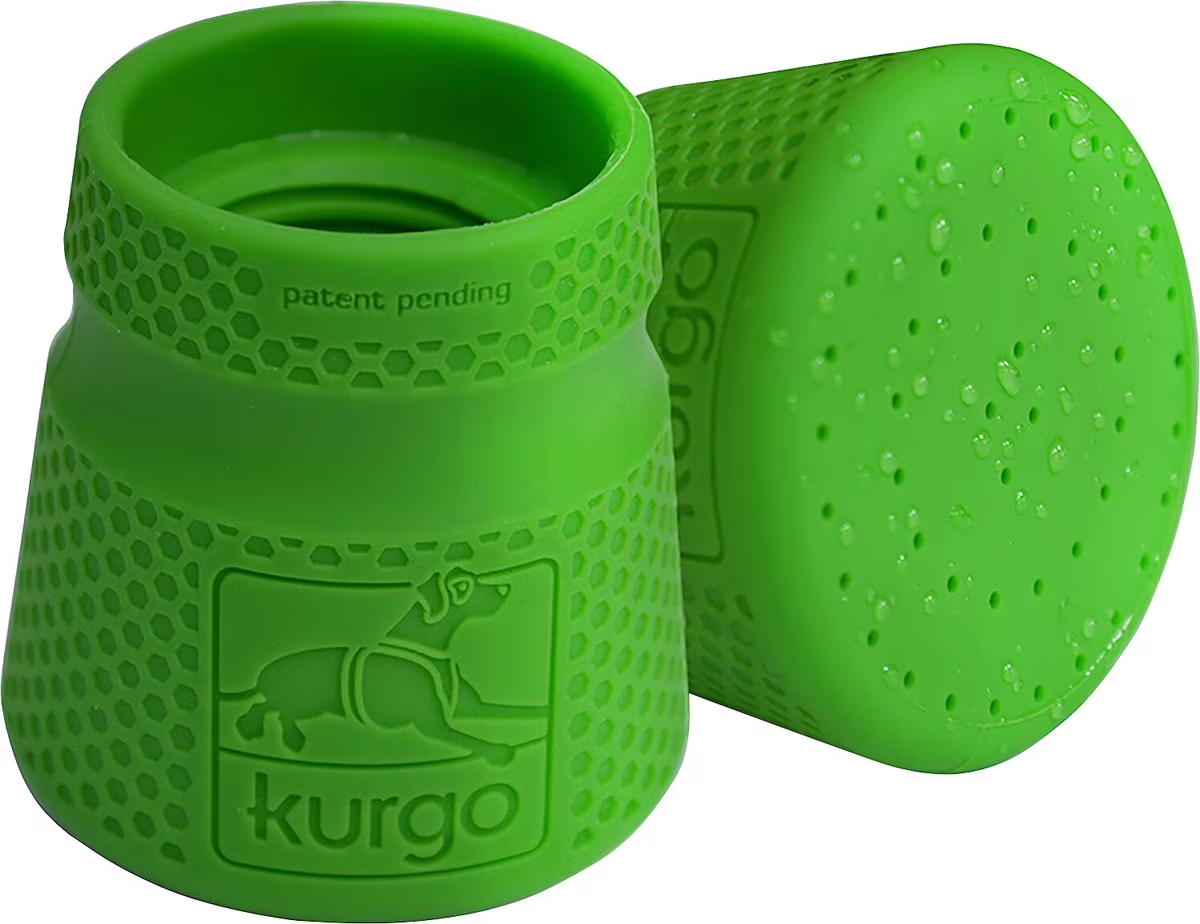
Kurgo's food-grade silicone cap screws onto compatible 16-ounce to 2-liter PET soda bottles to create a portable rinse stream. A two-liter bottle is listed to provide at least one minute of shower time, and the cap is top-rack dishwasher safe. It packs far smaller than a cup or hose kit and can rinse legs and belly as well as paws, but bottle-neck compatibility varies and there are no bristles for agitating packed mud.

For heavy but otherwise ordinary mud, start with clean lukewarm water rather than hot water, harsh household detergent, or fragranced human wipes. Rinse from the lower leg toward the paw while keeping runoff away from clean gear. Work on one foot at a time and use your fingers gently around the pad edges; do not repeatedly scour the same spot. A Kurgo Mud Dog Travel Shower can provide a controlled stream from a bottle when a hose is unavailable, which is useful at remote trailheads and campsites. Replace visibly dirty rinse water instead of dipping every paw into the same muddy bath. Keep the dog from licking during the process, especially when you do not know what was on the ground. Once the water runs clearer, blot the paw and move it onto the clean towel before starting the next foot. This clean-to-dirty separation prevents the finished paws from stepping back into the slurry beside the car.
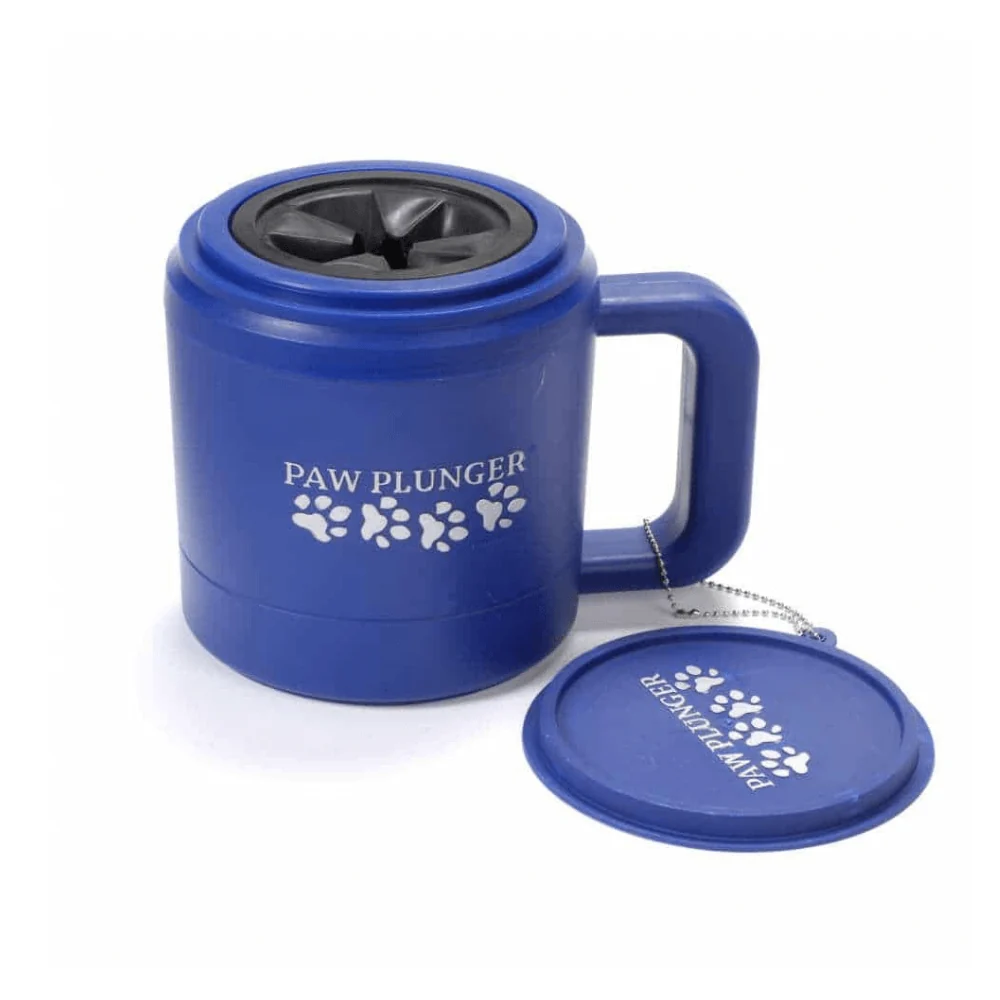
Paw Plunger
Paw Plunger uses a mug-style handle, soft interior bristles, and three sizes for dogs from puppies through animals over 75 pounds. The medium opening is listed at 3.5 inches and the large at 4.5 inches, giving bulky or long-legged dogs more room than many narrow tumbler designs. It is portable but physically larger than slim cups, and muddy water still has to be emptied and the paw towel-dried.
A manual cup is most useful for soft mud packed around the pads, not for an injured paw or a dog that panics when a foot is enclosed. Fill the Paw Plunger Dog Paw Cleaner only to the maker's indicated level with clean lukewarm water. Guide one paw straight into the opening, keep the leg aligned, and move the cup gently rather than twisting the dog's wrist or ankle. Follow the product instructions for the number of plunges, then lift the paw straight out and inspect the water. Empty and refill the cup whenever it becomes opaque or gritty; one reservoir should not become a four-paw mud soup. Praise calm standing and stop if the dog repeatedly yanks away, vocalizes, or shows pain. A slow first session at home can make the travel routine easier. After use, wash the cup and internal brushes as directed, rinse away trapped sediment, and let every part air-dry before closing it in a vehicle tote.
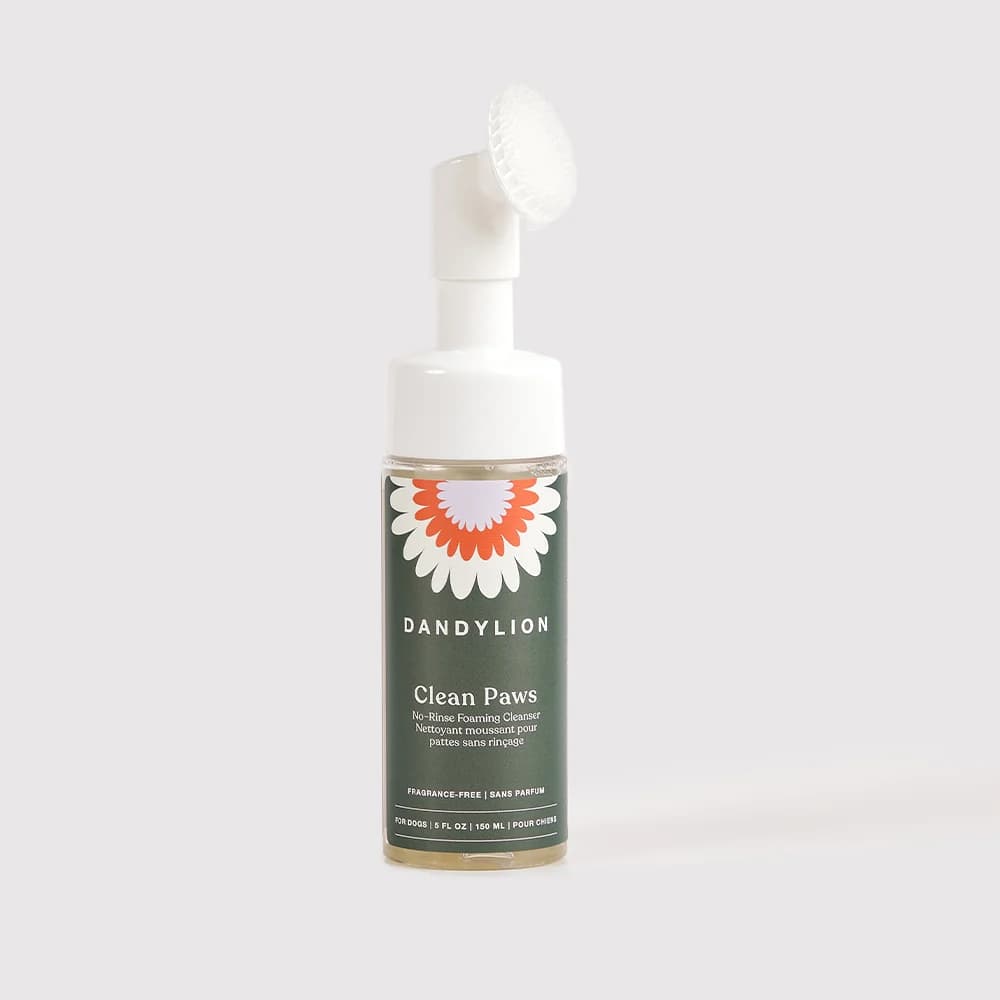
Dandylion
Clean Paws dispenses fragrance-free foam through a removable silicone brush, then wipes away without a water rinse. Dandylion lists a pH-balanced, 99% natural and plant-derived formula without sulfates, essential oils, artificial fragrance, or drying alcohols, and says it ships to the US. It is the easiest option for dusty paws and light dirt at a trailhead, but a five-ounce foam is not a substitute for flushing heavy mud, road salt, or embedded debris with clean water.
A no-rinse cleanser is a convenience option for dusty paws, light surface grime, or a quick hotel-room cleanup; it is not the right response to salt crystals, unknown chemicals, deep mud, or contaminated water. Remove loose dirt first, apply only the amount directed on the label, and keep the product away from eyes, mouth, open cuts, and irritated skin. Dandylion Clean Paws No-Rinse Foaming Cleanser can be paired with a dedicated paw towel when running water is temporarily unavailable. Massage gently over the outer paw and pad surface, then wipe away the lifted residue with a clean section of towel rather than spreading it back across the foot. Stop if redness, itching, or discomfort develops, and prevent licking until the paw is clean and dry. At the next suitable stop, inspect between the toes under good light. No-rinse does not mean no follow-up: the towel goes into the dirty-gear bag, and the paw still needs a final dryness check.
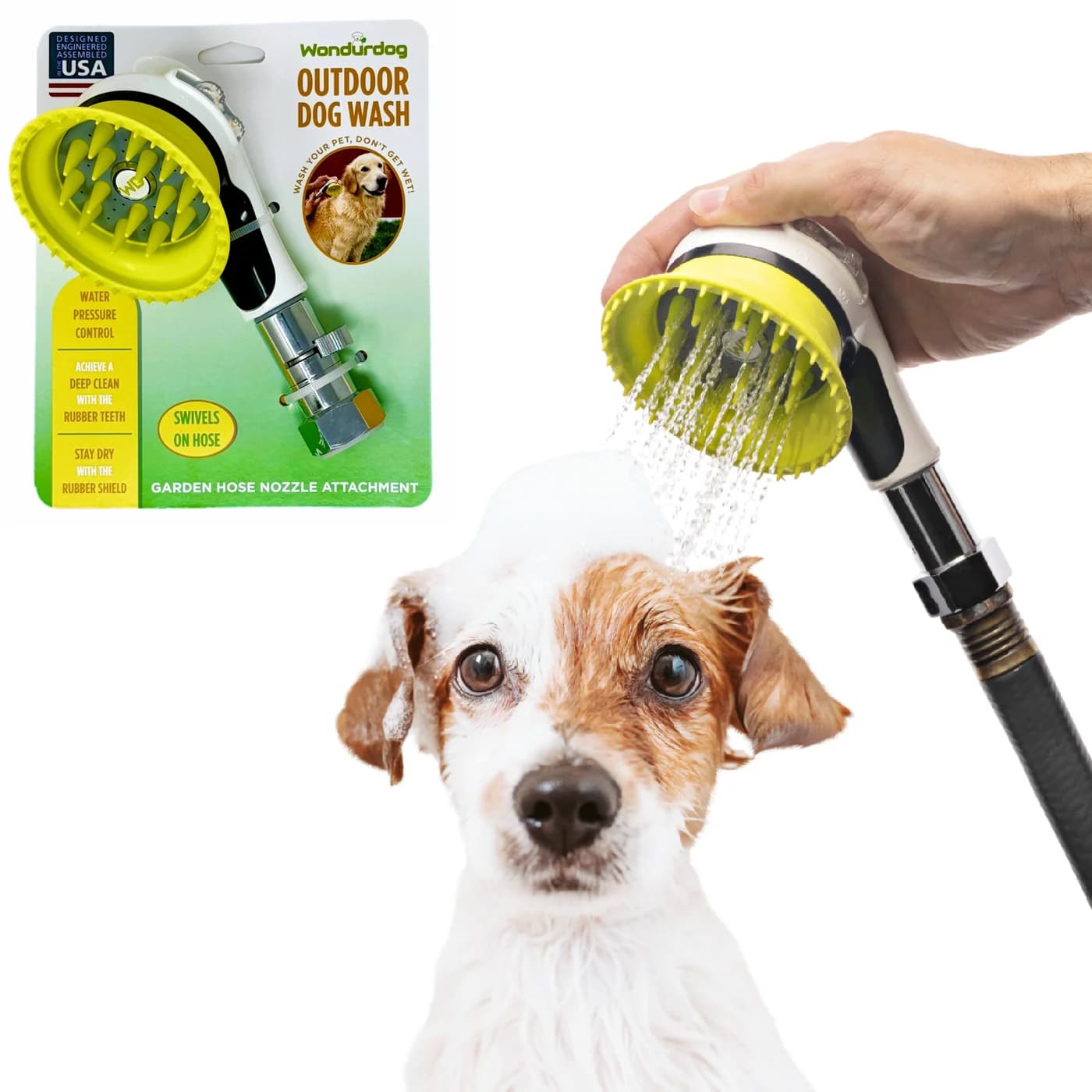
Wondurdog
Wondurdog combines a garden-hose connector, adjustable water-pressure control, shower brush, and splash shield in one outdoor washing head. The brush can work water through muddy fur while the shield limits spray toward the handler, making it better suited to heavily soiled paws and lower legs than a simple bottle cap. It requires an outdoor hose connection and should be used at gentle pressure around sensitive pads.
Winter slush can hide salt and deicing compounds that irritate paws and may be swallowed when a dog licks its feet. Cornell and VCA advise cleaning paws after winter walks and keeping ice-melt products out of reach. Use clean lukewarm water and rinse the pads, nail edges, and spaces between the toes rather than merely wiping the visible top of the foot. A Wondurdog Outdoor Garden Hose Paw Rinse Nozzle can provide a directed outdoor rinse near a home, campground hookup, or pet-wash station, provided the spray stays gentle and the water is lukewarm. Do not add household disinfectant or assume a pet-safe label makes residue harmless to ingest. If a paw contacted a corrosive or unidentified chemical, CDC guidance supports decontaminating with water while protecting yourself, and a veterinarian or poison-control professional should guide the next steps. Continued redness, burns, drooling, vomiting, unusual tiredness, or persistent licking should not be treated as a routine grooming problem.
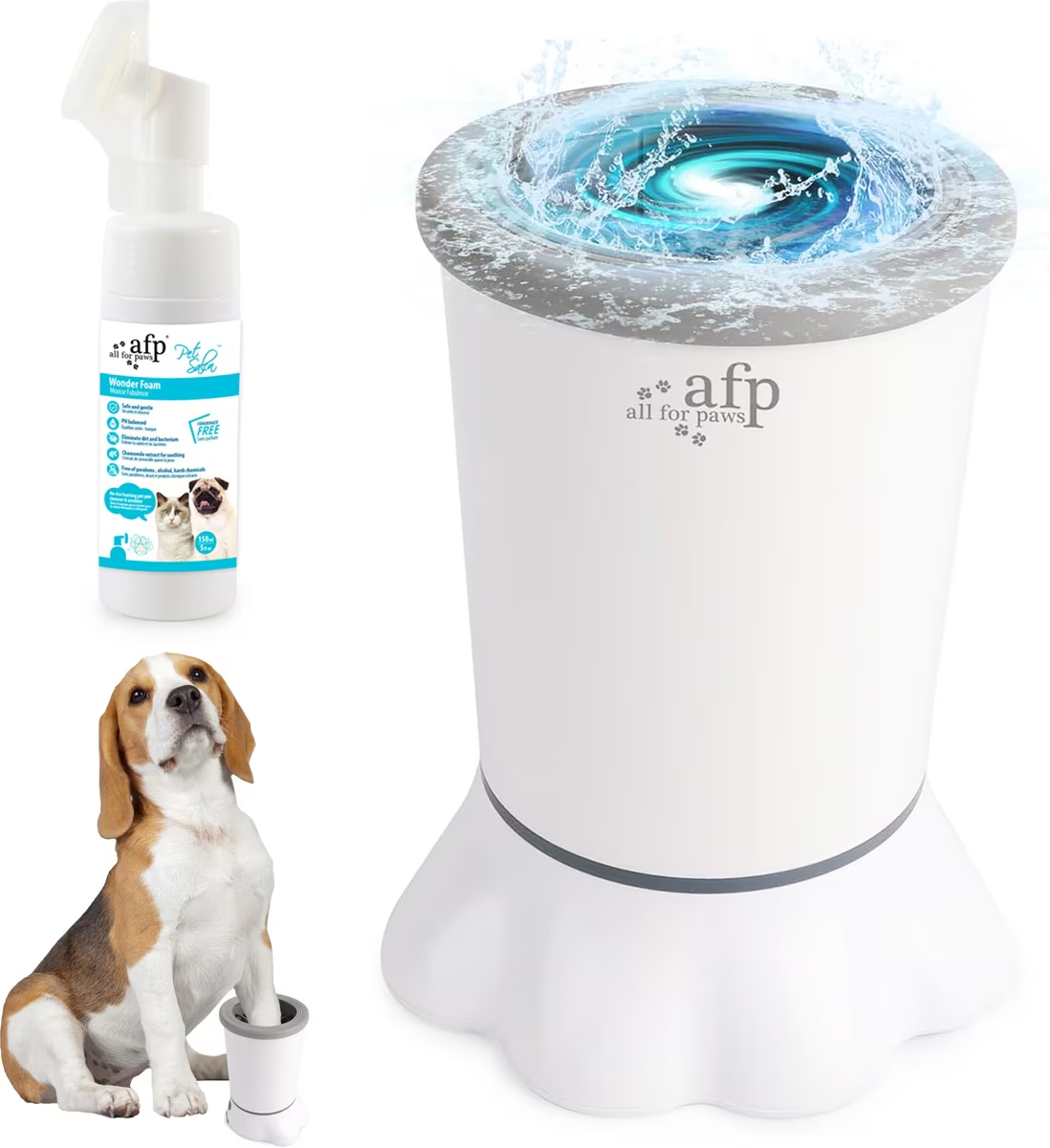
allforpaws
The Pet Salon set pairs a USB-rechargeable automatic washer with a separate foam cleaner. Two speeds rotate soft bristles around the paw, while the detachable cleaning section can be removed for washing. Its powered action may help owners who want less manual twisting, but it adds charging, moving parts, and a smaller listed 4.5-by-5.1-inch footprint that should be checked against the dog's paw before ordering.
An automatic cleaner may reduce hand motion during repeated travel cleanups, but movement and sound can frighten a dog and rotating parts do not replace a visual inspection. Introduce the Allforpaws Pet Salon Automatic Dog Paw Cleaner while it is switched off, reward voluntary investigation, and follow the maker's fill, operation, and cleaning instructions. Keep the leg centered and use the shortest effective cycle; never force a struggling dog to remain in the opening. This option is for routine dirt on intact paws, not a torn pad, broken nail, embedded foxtail, burn, or swollen toe. Check the device before each use for trapped grit, damaged liners, or residue left by the previous paw, and replace the water as it becomes dirty. When camping without reliable charging or cleaning water, a towel and manual rinse may be the simpler system. Whatever tool you choose, the successful result is a comfortable, visibly clean paw—not completing a machine cycle at any cost.
After rinsing, support the lower leg and look at the top, pads, nail beds, dewclaw, and the skin between every toe. AKC guidance emphasizes checking between the toes because dirt and debris can hide there. Remove only loose material that lifts away easily; do not dig at a deeply embedded splinter, grass awn, glass fragment, or painful object. Blot instead of rubbing hard, using a fresh part of the towel for each paw. Moisture left in interdigital spaces can prolong irritation, so continue until the skin and hair are dry to the touch. Long paw hair may need extra blotting, but do not improvise trimming beside a trailhead when the dog is restless. Recheck the dog's gait for several steps on a clean surface. Persistent licking, odor, discharge, swelling, redness, or recurring tenderness can fit pododermatitis or another condition that needs veterinary assessment rather than repeated washing. Record which paw is affected and photograph a visible change for the clinic.
Contact a veterinarian promptly for a deep puncture, exposed pad tissue, a suspected burn, a broken nail with significant pain, an embedded object you cannot remove easily, or bleeding that does not stop after 10 to 15 minutes of steady pressure. VCA also advises veterinary care when a wound is deep, contaminated, or will not stay closed. Possible exposure to blue-green algae is different from mud: CDC recommends immediately rinsing the animal with clean tap water, preventing licking, and obtaining veterinary help, especially with vomiting, weakness, stumbling, breathing trouble, or seizures. Standing or slow-moving water can also carry leptospirosis; washing is sensible, but it does not replace prevention or veterinary advice about exposure and vaccination. After an ordinary cleanup, discard single-use waste, launder towels, wash and fully air-dry cups or devices, refill clean water, and restock wipes. Store wet and clean items separately so tomorrow's kit begins dry, odor-free, and ready to use.
We used these primary or authoritative references when checking this guide. Product instructions and local rules can change, so confirm details that affect your trip.
Yes. It explains the main decision points in plain language and links to relevant product reviews when published options are available.
No. Prices, coupons, stock, and shipping terms can change. Confirm the current offer on the retailer page before checkout.
Related content