Learn how visible dog ID and a registered microchip support different parts of a trail recovery plan, how to keep both records current, find the correct registry, carry offline details, check local rules, and complete a two-minute departure check.
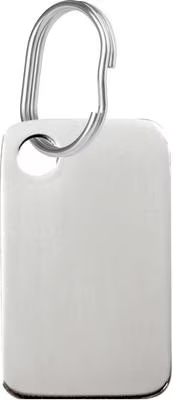

SiliDog
SiliDog uses 100% silicone to eliminate metal-on-collar noise and adds glow-in-the-dark visibility with engraving designed not to fade. The exact page was in stock at a lower displayed price when checked and showed a substantial dynamic review signal. The page did not publish a waterproof or IP rating, so silicone construction alone is not treated as water-proofing evidence. As with other flexible hanging tags, the attachment hole and body can still be damaged by chewing or repeated snagging.

Build the plan around complementary layers, not a single supposedly fail-safe product. The ASPCA says a personalized tag is likely the fastest route home because any finder can read it, while an implanted microchip remains available if the collar and tag are lost. The AVMA likewise says a microchip does not replace current collar identification. Put a readable tag on secure, correctly fitted everyday gear; register the implanted chip; and keep the same current phone numbers attached to both records. A SiliDog Pet Tag is one quiet visible-tag option, but its flexible body and attachment point still require routine inspection. A tag may become unreadable or detach, and a chip must be scanned and connected to a usable registration. Neither layer guarantees recovery. Write the plan so a family member can explain each role: visible tag for immediate contact, registered microchip for scanner-based backup, and current details as the link that makes either useful.
Red Dingo
Red Dingo's large rectangle leads on the clearest outdoor-specific metal evidence in this comparison. Chewy states that the stainless-steel tag will not rust or corrode even with daily saltwater exposure, and deep engraving accepts up to five lines on each side. The large tag weighs about 0.9 ounce, so it offers more information space than many small tags but may be excessive for a small dog. Its polished surface can also produce glare, making contrast and line layout worth checking before approval.

Use the limited tag area for information a finder can act on immediately. Include the dog's name only if you want it displayed, then prioritize one or two monitored phone numbers with area codes. A short line such as “MICROCHIPPED” can prompt a shelter or veterinary scan if direct contact fails. Avoid relying on a QR code alone: a finder may lack reception, a compatible phone, time, or confidence to scan it. Review the engraving at arm's length in ordinary light, then check it again when wet or scratched. The large Red Dingo Rectangle Stainless Steel Personalized ID Tag offers substantial engraving space and documented corrosion resistance, but its approximately 0.9-ounce size may be excessive for a small dog and polished steel can glare. Match tag size and weight to the dog, keep the layout concise, and inspect the tag, split ring, collar attachment, and legibility before every trip. Replace weak hardware or unreadable text rather than waiting for failure.
Implantation is only the beginning. The AVMA explains that a pet microchip contains a unique identification number, not the owner's address, and that the number must be registered with current contact information. Follow the paperwork from the veterinarian or implanter, complete the appropriate registry enrollment, and confirm that the record shows the correct pet and reachable primary and alternate contacts. Update it promptly after a move, phone-number change, transfer of ownership, or change in emergency contact. Save the chip number and registry contact details somewhere accessible without the collar. At least once a year, ask your veterinarian to scan the chip and confirm that it is detectable and working; the AVMA specifically recommends this routine check because chips can rarely migrate or fail. Ask the clinic to read the displayed number back and compare it with your record. A successful scan does not prove the registry details are current, so verify both the physical chip and the registration separately.
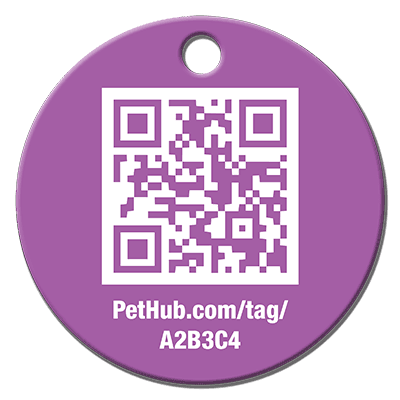
PetHub
PetHub's Classic Aluminum tag links a unique QR code to a digital pet profile and includes a free Basic option, with optional paid PetHub+ features. The lightweight aluminum exact SKU was in stock at a low checked price. It must be activated before use, and successful scanning depends on QR readability plus a finder's phone and network connection. The page did not publish a waterproof or IP claim, so it works best as a digital-information layer alongside directly readable identification.

Do not guess where the chip is registered or assume a search result has updated it. Enter the complete 9-, 10-, or 15-digit chip number in the AAHA Microchip Registry Lookup Tool. AAHA says the tool identifies registries that may hold registration information and lists companies to contact, usually with the most recently updated result first. It does not reveal owner details, let owners update a chip, or maintain a registry of its own. In short, the AAHA lookup is not a registry. Contact the listed registry directly, follow its identity-verification process, and confirm the actual record there. If results are ambiguous, missing, or point only to a manufacturer, ask the veterinarian or implanter for help tracing the number. A PetHub QR Pet ID Tag Classic Aluminum can hold a separate finder-facing digital profile, but that profile is not the implanted chip's official registration. Keep QR, tag, and microchip records aligned without confusing their providers or functions.

Besties Pets
The National Park tag combines a trail-oriented design with either conventional contact details or a QR profile on the back. Besties Pets explicitly calls its 100% silicone construction waterproof, fade-proof, and easy to clean. The total hanging length is about 2.7 inches including the ring, so smaller dogs need a careful size check. QR use also depends on a finder having a working phone and connection, making readable fallback contact information the safer configuration when available.

Prepare for dead batteries, damaged tags, and places without service. The CDC's pet disaster-kit guidance includes identification information, current photos, medical and vaccination records, medications, veterinarian contacts, and emergency contacts. Adapt that idea to a compact trail packet: carry a recent full-body photo and a clear face photo, the microchip number and registry phone number, your own contacts, an alternate person outside the hiking party, relevant health notes, and the nearest veterinary or animal-control contact. Store one paper copy in a waterproof pouch and one offline copy on each adult's phone; protect sensitive details rather than posting the complete chip number publicly. Add the dog's temporary lodging or campsite and the date of the trip. A Besties Pets National Park Silicone ID Tag can provide conventional text or a QR profile, but the larger hanging format and phone dependency still make paper and directly readable contact details worthwhile. Refresh the packet whenever any record changes and before longer travel.

QALO
QALO's Base Camp is a one-size silicone tag designed around quiet wear and an outdoor visual theme. The exact product offered personalization and Add to cart controls, while the official gallery documented the selected design and additional available colors. QALO did not publish a waterproof or IP claim on the checked evidence, so the outdoor styling is not treated as water-performance proof. The one-size flexible body can also be too large for some small dogs and remains vulnerable to chewing.

A sound home setup can still be incomplete for a specific park, campground, border crossing, or lodging property. The National Park Service's B.A.R.K. Ranger guidance starts with knowing where pets can go and directs visitors to check the individual park's rules; it also emphasizes leashes, waste pickup, wildlife respect, and knowing limits. Review the official destination page shortly before departure for allowed trails, leash length, vaccination or rabies-tag requirements, closures, seasonal restrictions, campsite rules, and emergency numbers. Check state, county, tribal, ferry, airline, and lodging requirements when they apply, because one agency's policy does not answer for another. Bring required documents separately from decorative identification. A QALO Base Camp Silicone Dog ID Tag may suit a quiet outdoor-themed setup, but the product page's outdoor styling is not evidence that it satisfies a destination's legal identification requirements or any universal waterproof standard. Rules can change, so save an offline copy or screenshot of the current official page and follow posted notices on arrival.
Tractive
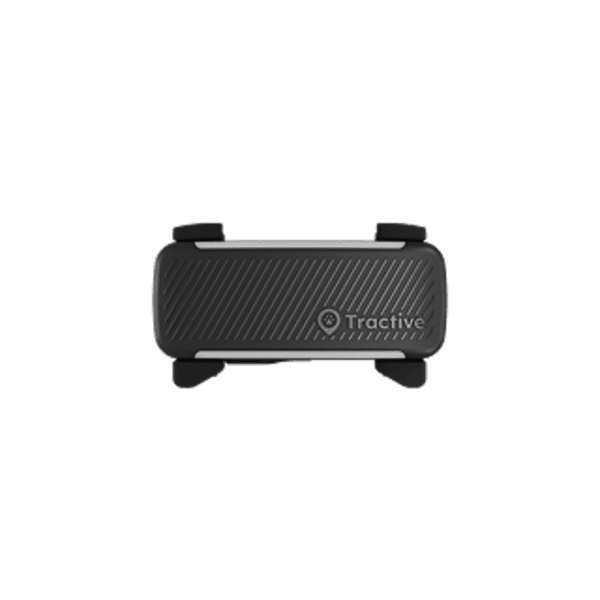
A 1.4-oz clip-on GPS tracker for dogs over 8.8 lb, with two-to-three-second Live Tracking updates, IP68 protection, virtual fences, light and sound tools, and health trend monitoring. The advertised battery reaches 14 days only with Power Saving Zones; remote tracking requires a paid plan and compatible cellular coverage.

GPS is separate from identification. The AVMA is explicit that an implanted microchip is not GPS and cannot track location; a scanner activates it and returns only an identification number. A GPS unit can detach, lose power, or lose coverage. With a Tractive DOG 6 GPS & Health Tracker, confirm coverage and subscription, charge it, test tracking, and fit it. Keep the readable tag and registered chip. GPS is optional, not a replacement for restraint, supervision, visible ID, registration, or contacts.
Turn the plan into a repeatable departure routine. First, read the tag exactly as a stranger would and call or text each printed number. Second, tug gently on the tag, split ring, collar, and harness attachments; remove anything cracked, stretched, sharp, loose, or positioned where the dog can chew it. Third, confirm that the microchip number, registry name, and primary and alternate contacts in your offline packet match the latest registration confirmation. Fourth, verify that the destination allows dogs on the intended route and that required records are packed. Fifth, open the recent photos and emergency contacts in airplane mode. If carrying GPS, check charge, fit, app access, and last location update. The AKC recommends combining collar identification with permanent identification, and that layered logic is strongest when every detail is usable today. No tag, microchip, QR profile, paper packet, or tracker can promise reunion. The two-minute check simply removes preventable gaps and gives finders, clinics, shelters, and your hiking party better information if separation occurs.
We used these primary or authoritative references when checking this guide. Product instructions and local rules can change, so confirm details that affect your trip.
Yes. It explains the main decision points in plain language and links to relevant product reviews when published options are available.
No. Prices, coupons, stock, and shipping terms can change. Confirm the current offer on the retailer page before checkout.
Related content