Learn how to assess your dog and campsite, measure real sleeping positions, combine a dog sleeping bag with ground insulation, pack a complete camp kit, monitor comfort overnight, and dry and store the gear correctly.
Decide whether the trip is appropriate before comparing sleeping bags. Cornell explains that cold tolerance varies with age, body size, coat, health, nutrition, conditioning, and acclimation, so two dogs at the same campsite may need different plans. Check the overnight low, wind, precipitation, ground conditions, shelter, and how quickly you could leave or obtain veterinary help. Confirm the specific campground's pet rules as the National Park Service recommends, including leash, wildlife, and overnight restrictions. A puppy, senior, very small, thin-coated, recently groomed, unwell, or unacclimated dog may need a more conservative plan or may not be a suitable camper in the expected conditions. A sleeping bag does not make an unsuitable forecast safe. Before departure, discuss relevant health concerns with your veterinarian, verify identification and parasite prevention, and prepare a dry backup location. Outdoor Pet Picks has not laboratory-tested the thermal performance of these products.
Ruffwear
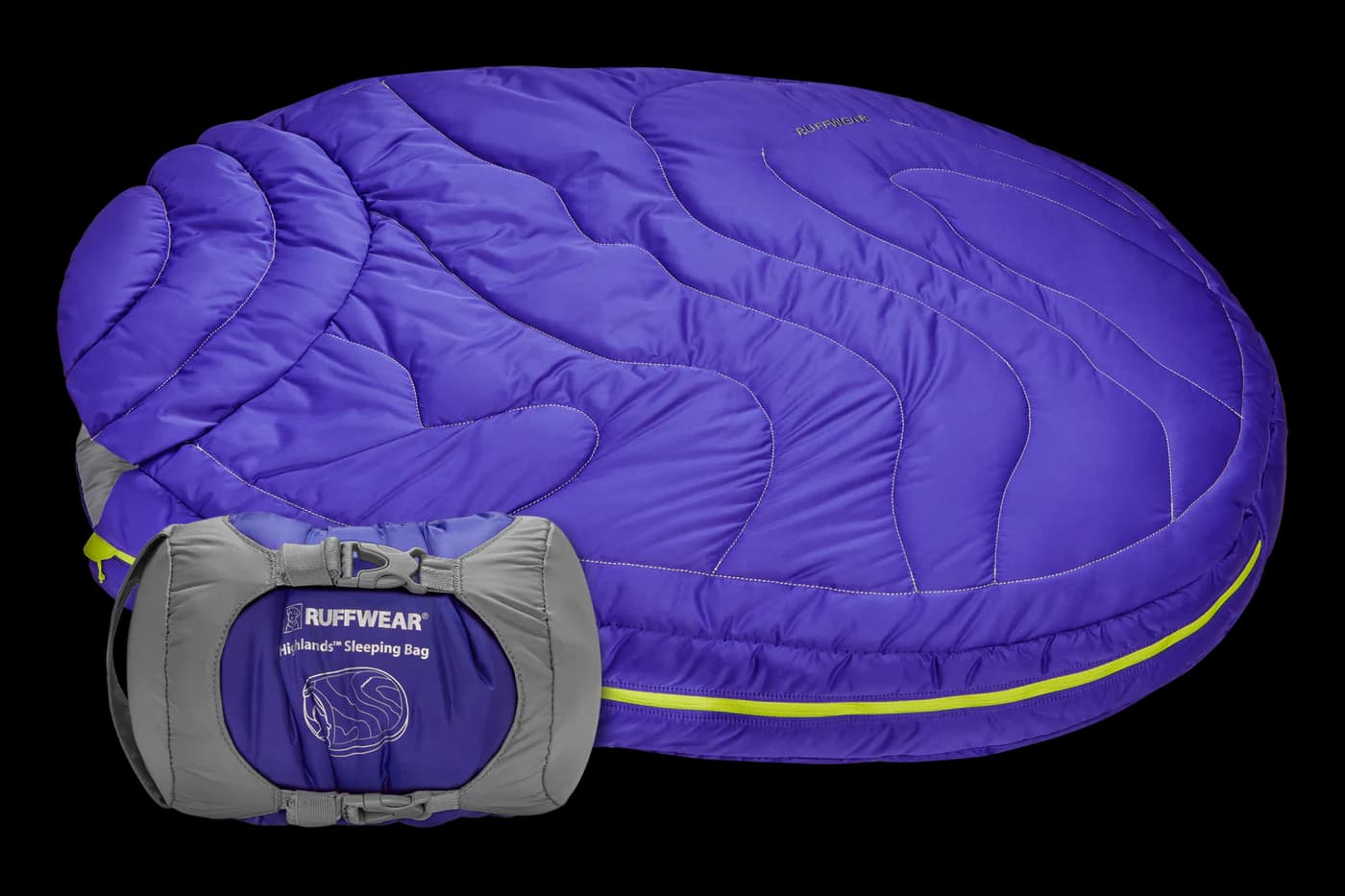
A synthetic-down dog sleeping bag with a water-resistant shell, half-length zipper, neck baffle, compression sack, and an integrated sleeve for the optional Highlands Pad. Medium weighs 1.6 lb and Large 2.2 lb. It offers a strong warmth-to-packability balance for typical backpacking, but Ruffwear does not publish a universal temperature rating and the ground pad costs extra.

Measure the dog rather than choosing by breed name or weight alone. Watch how the dog naturally sleeps at home: tightly curled, loosely curled, on the side, or stretched out. Record nose-to-rump length in the likely sleeping posture, shoulder height, chest width, and the space required to turn around without forcing the fabric. Compare those measurements with the current manufacturer's dimensions and opening design, leaving enough room for movement but avoiding so much unused space that the dog cannot settle comfortably. Ruffwear lists specific dimensions and construction details for the Highlands Dog Sleeping Bag, including a half-length zipper, neck baffle, synthetic insulation, and a sleeve intended for an optional pad; those specifications describe that exact model, not a universal sizing rule. Test the selected size indoors with the dog entering and leaving voluntarily. Do not close a zipper or opening in a way that restricts breathing, movement, or an immediate exit.
Non-stop dogwear
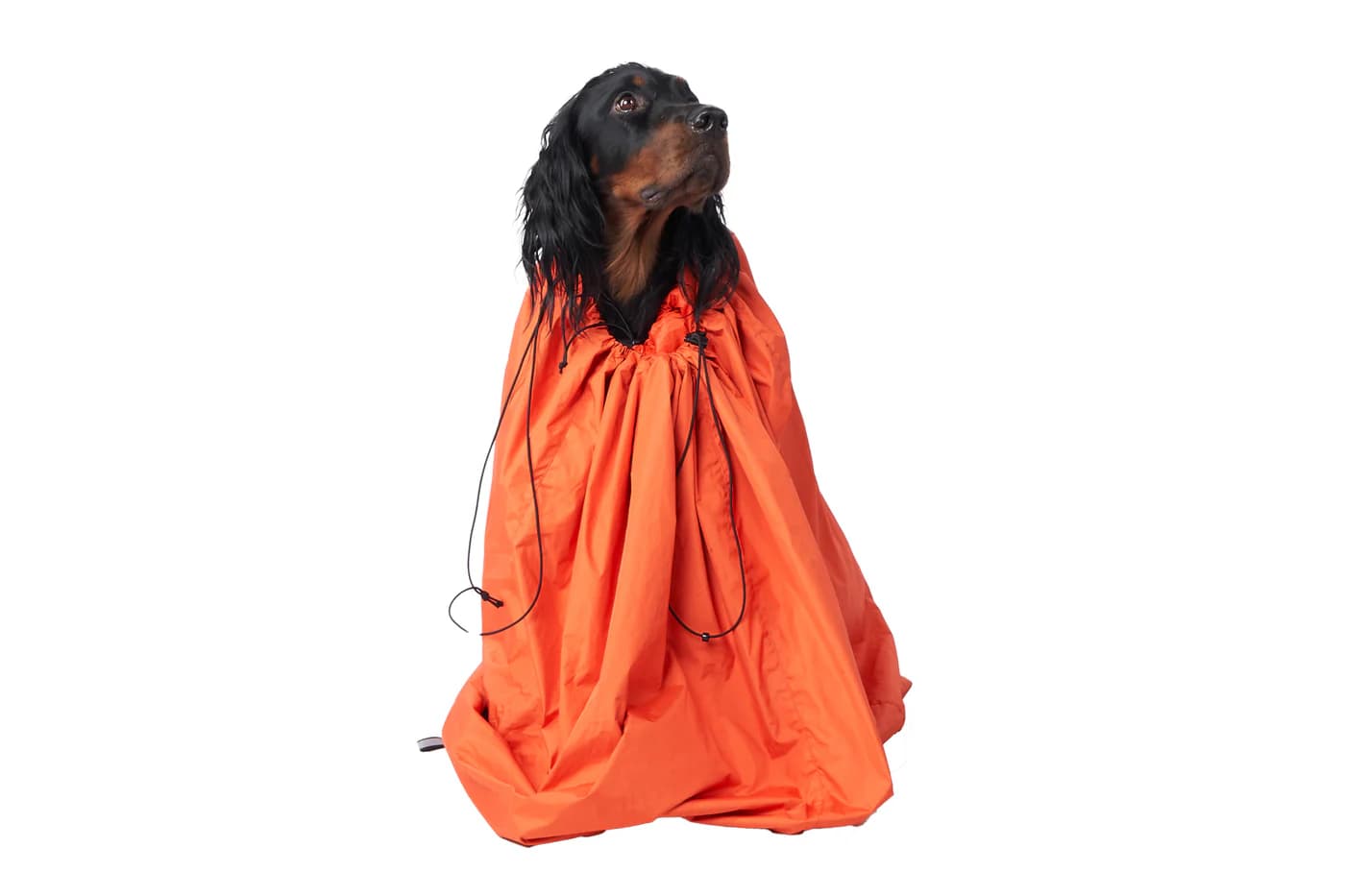
A premium two-layer bivvy system whose weather-resistant outer and insulated inner can be used together or separately. The maker specifies a windproof shell, 7,460 mm water column, recycled PrimaLoft insulation, reflective details, stake loops, adjustable openings, and S-L sizing. It is the most protective and configurable choice here, but ground insulation is improved by adding the separately sold Protector Bivvy Bed.

A fabric bag by itself is not a complete campsite sleep system. Choose a dry, sheltered tent position, clear sharp debris, and place a suitable groundsheet or tent floor below the dog's sleeping area. Add a correctly sized insulating pad or bed where the product design allows it, because a dog's weight compresses insulation underneath the body and contact with cold or damp ground can draw away warmth. Cornell specifically recommends dry bedding elevated off the ground during cold weather. The Non-stop dogwear Protector bivvy bag illustrates a layered approach: the brand documents a protective outer construction, insulated components, ventilation openings, and an optional ground pad, while also warning that required warmth depends on factors such as breed, age, weight, health, and outside temperature. Follow the exact product instructions and keep the bag dry. Water-resistant fabric is not the same as waterproof shelter, and a stated water-column figure is not a temperature rating or a promise of thermal safety.
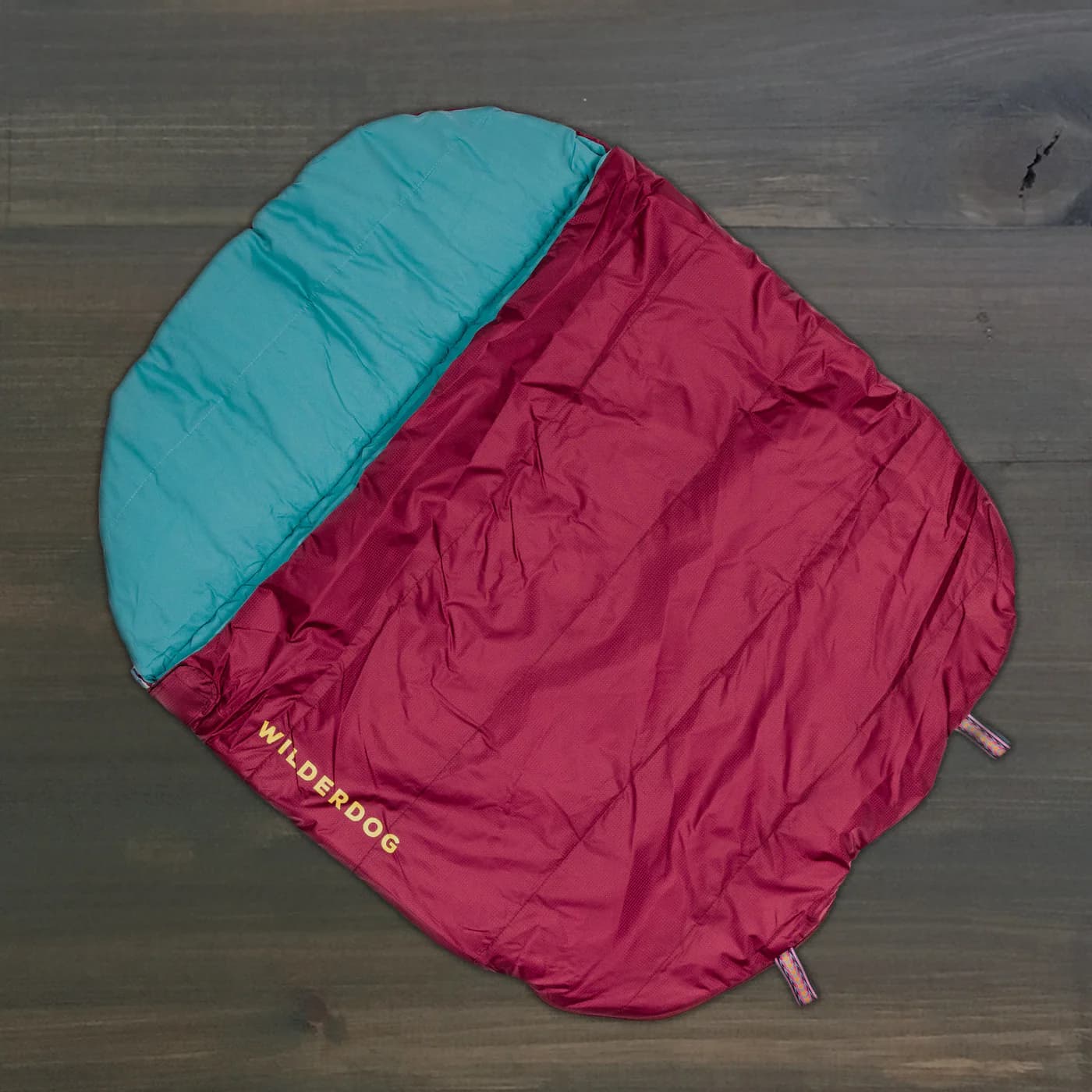
Wilderdog
A one-size 36 x 28-inch sleeping bag that unzips three-quarters of the way to become a larger flat mat. It uses a water-resistant ripstop-polyester shell, quick-drying cotton lining, synthetic fill, and an included stuff sack at 29 oz. It is a straightforward, lower-cost camp bed for medium and smaller dogs that burrow, while larger dogs are more likely to sleep on top.

Do not assign a dog sleeping bag a safe minimum temperature unless the manufacturer publishes a clearly defined, dog-specific method that supports that exact claim. Human sleeping-bag ISO or EN ratings are estimates based on standardized assumptions about people, clothing, pads, and test conditions; REI's explanation of those ratings shows why they should not be transferred to dogs. A dog's comfort can change with wind, moisture, fatigue, coat condition, food intake, age, illness, and whether it stays inside the bag. When considering the Wilderdog Dog Sleeping Bag, separate documented materials, dimensions, and care directions from any broader impression of warmth. Use the product only within a conservative plan that includes a dry shelter, ground insulation, observation, and an exit option. Check the dog rather than the clock: shivering, whining, tucked posture, lifting paws, slowing down, weakness, confusion, or seeking warmth can indicate cold stress. Move the dog to warmth and contact a veterinarian when signs are concerning.
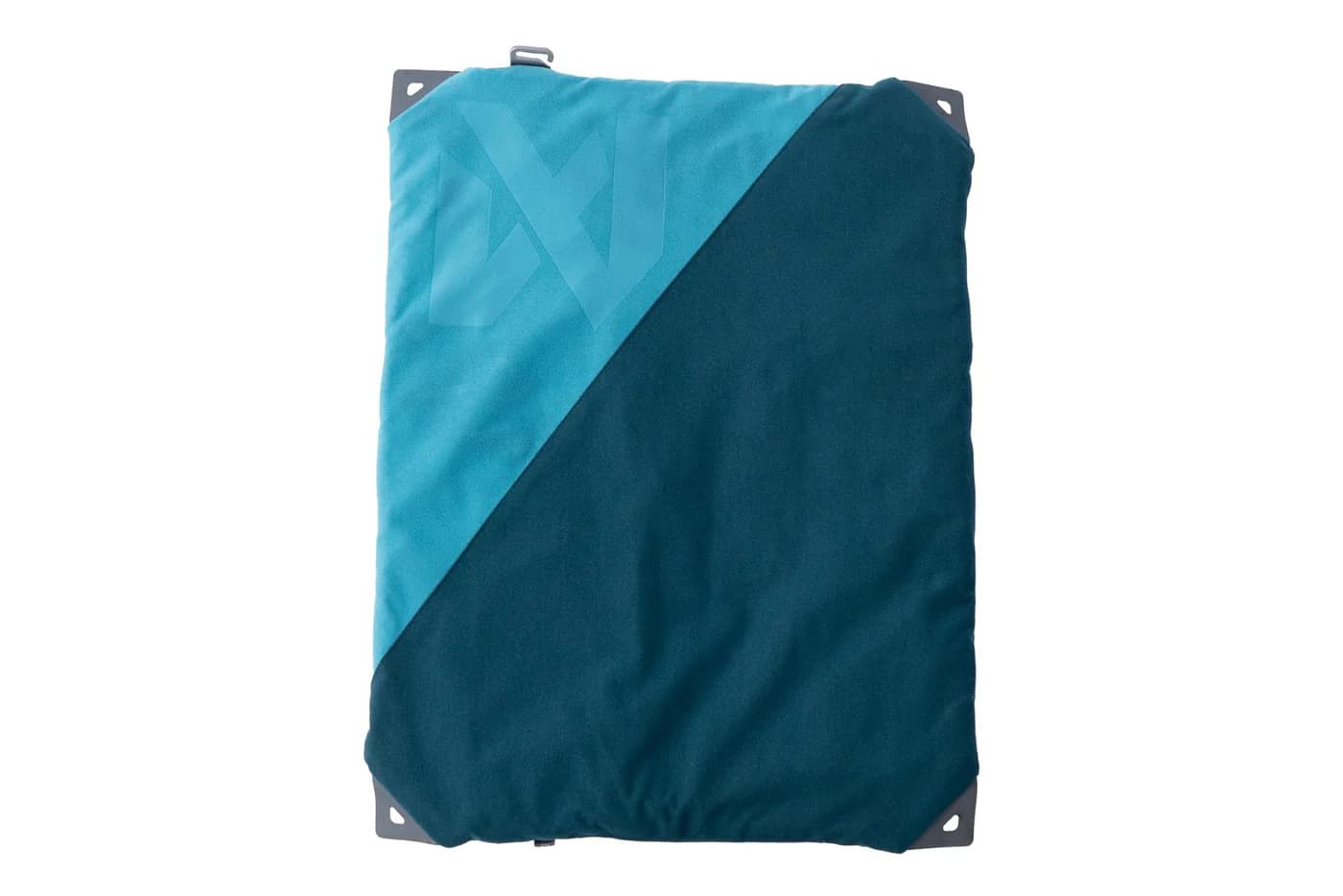
Non-stop dogwear
A lightweight insulated mat with a microfleece top, water-resistant ripstop base, Hypalon-reinforced stake holes, and a roll-up rail-and-buckle system that can attach to a pack. S weighs only 169 g, M 363 g, and L 590 g. It is excellent for breaks, mild camps, and dogs that dislike enclosed bags, but it supplies no windproof top layer.
Make the sleeping system familiar before asking the dog to use it in a dark, noisy campsite. AKC recommends practicing tent camping at home and bringing familiar bedding or a crate, while the AVMA advises acclimating pets to travel equipment. Lay the bag open in a quiet room, let the dog investigate, and reward voluntary approaches without placing or holding the dog inside. Over several short sessions, add the pad, fold or zip only as the instructions permit, and practice in the backyard tent. The Non-stop dogwear Trekking dog bed can serve as the familiar base layer in this progression when its size and care directions suit the dog; introducing the bed and outer bag separately may make each step easier to understand. Watch for avoidance, panting unrelated to heat or exercise, repeated escape attempts, freezing, chewing, or guarding. If the dog does not settle comfortably and leave freely, change the setup instead of forcing another repetition.
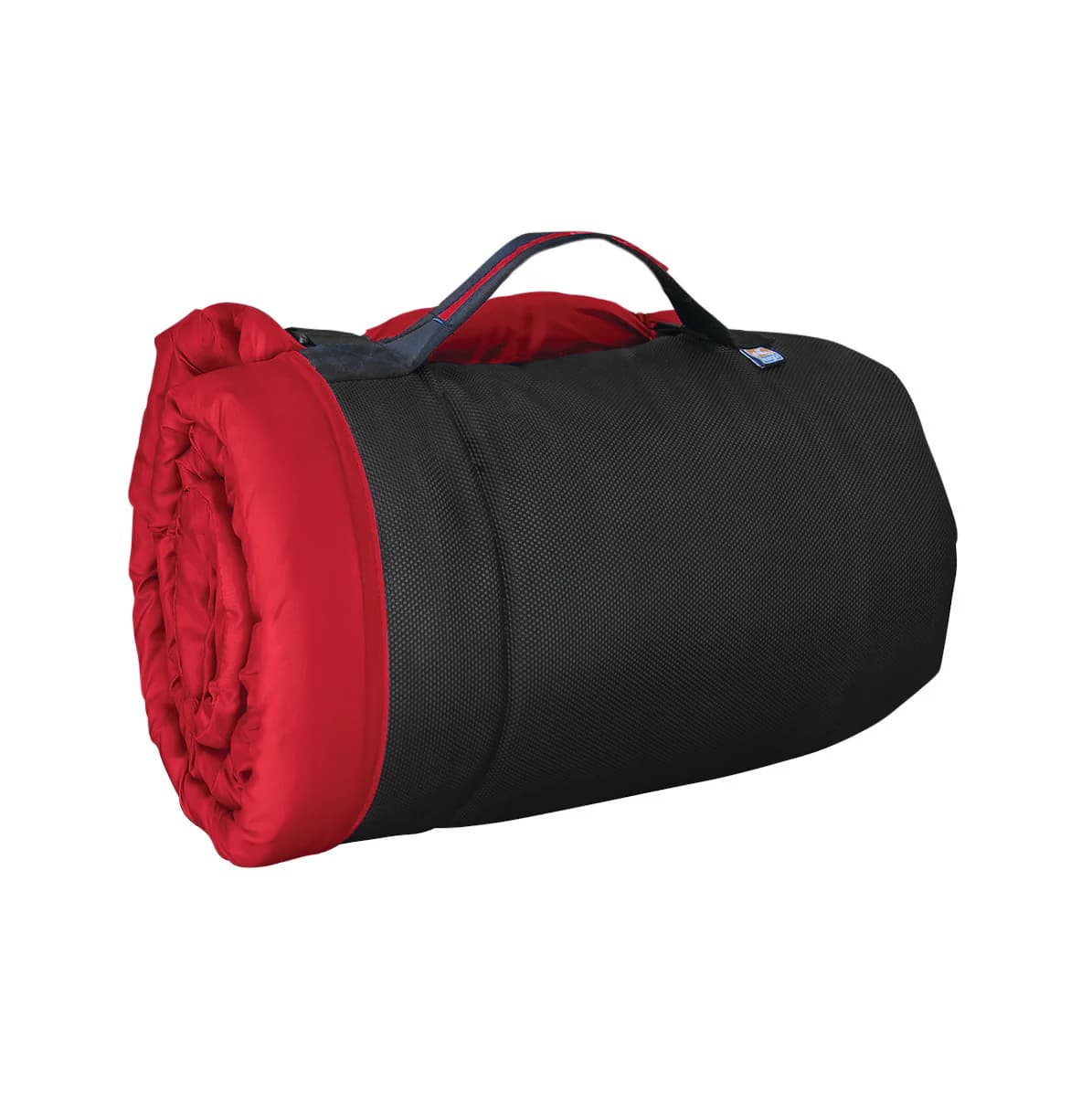
Kurgo
A generously sized roll-up bed with a water-resistant ripstop top, waterproof Rufftex bottom, 140 g polyfill, carry handle, nonslip base, and hidden pocket. Medium opens to 27 x 36 x 2 inches and Large to 36 x 48 x 3 inches. The bulk and weight are better suited to car camping, RVs, cabins, and road travel than to weight-conscious backpacking.

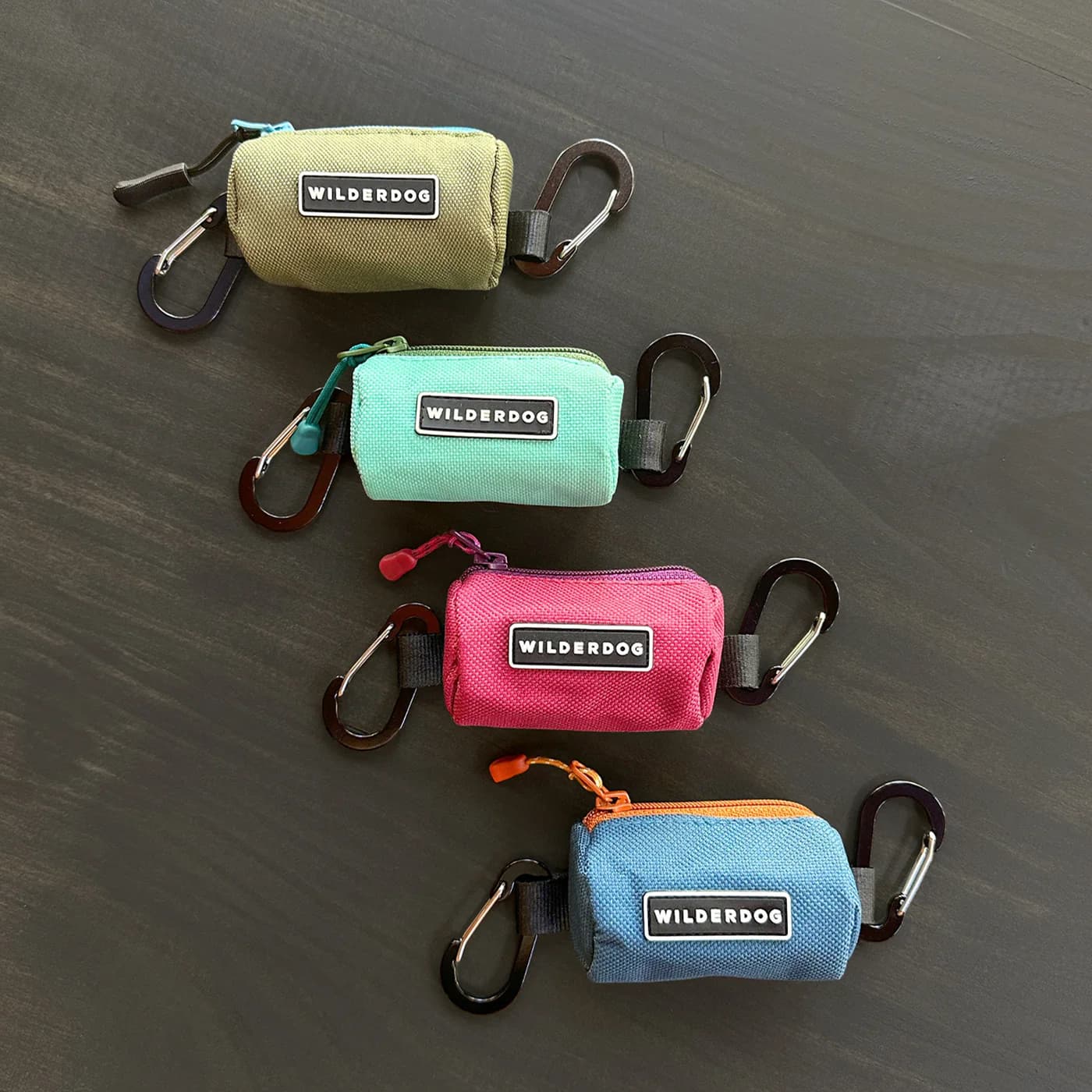
Pack the sleeping bag only after building the rest of the dog's travel kit. The AVMA and National Park Service recommend identification, health and vaccination information, medications, food, potable water, bowls, leash, waste supplies, towels, and a pet first-aid kit; add veterinary and emergency contacts plus any site-specific documents. Bring enough familiar food and water rather than relying on streams or lakes. The CDC advises avoiding stagnant, discolored, foamy, or scummy water and checking pets for ticks after outdoor activity. A portable bed such as the Kurgo Loft Wander Dog Bed may provide a recognizable surface for rest, but confirm its current dimensions, cleaning instructions, and campsite suitability before relying on it. Protect the packed sleep system in a dry bag or waterproof liner, keep food in the required bear-resistant storage, and carry a repair option for minor fabric damage. Never trade essential water, medication, restraint, or emergency gear for a more elaborate bed.
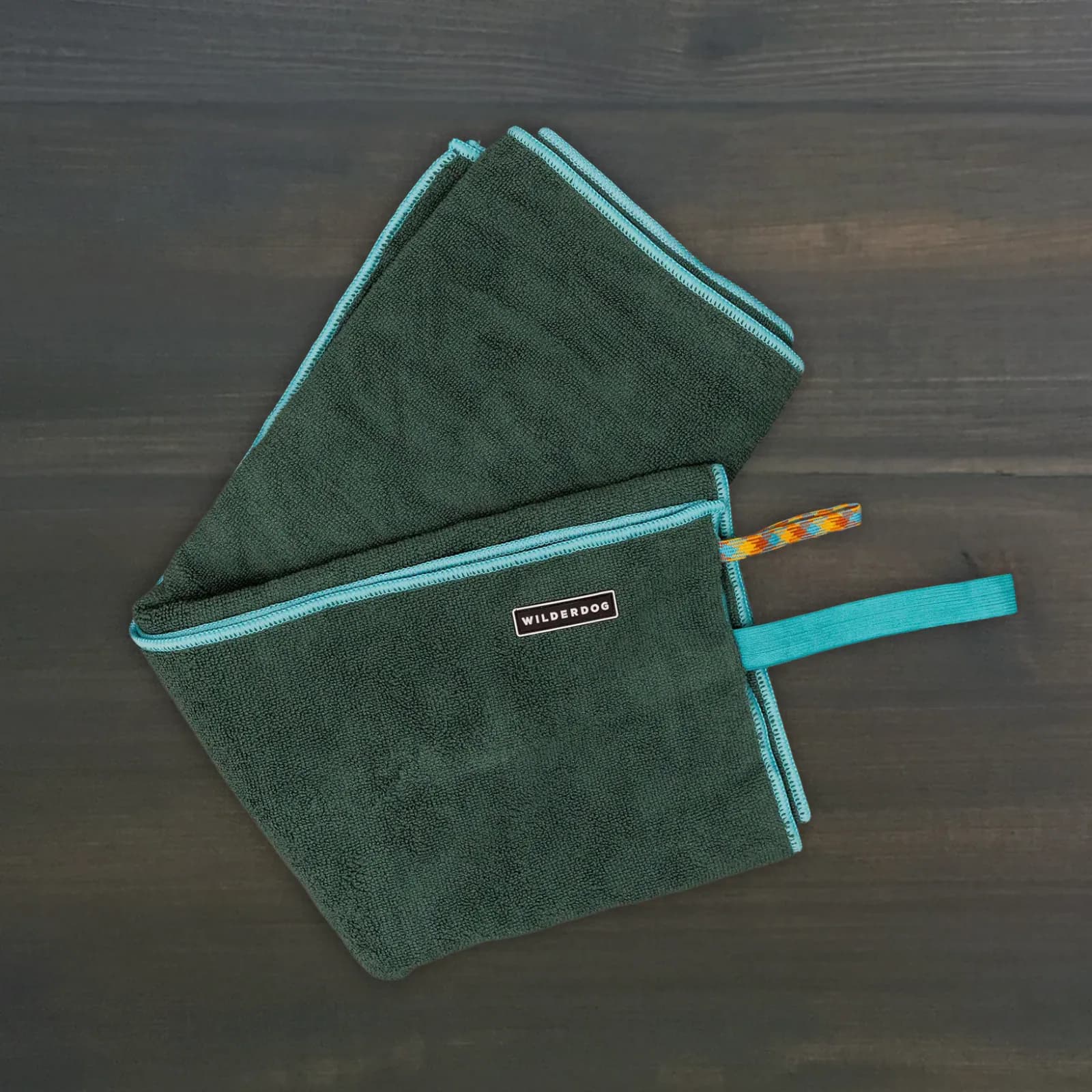
Wilderdog
Wilderdog's 24 x 48-inch towel weighs about seven ounces, rolls to roughly 8 x 4 inches, and adds a flat paracord loop for clipping or hanging. Its thin 80/20 polyester-polyamide construction is easier to pack than thick chenille shammies, while the unusually large review history provides the strongest public-use signal in this comparison. It is a trail towel rather than a cushioned bath mat, so owners of dense double coats may want a second towel.
Set up before temperatures fall so you can inspect the ground, pad, bag, and shelter in daylight. Keep the dog supervised and leashed where required; Forest Service guidance says not to leave a dog unattended and to keep it in the tent or vehicle at night where applicable. Wipe mud and moisture from the coat and paws before the dog lies down. A Wilderdog Quick Dry Towel can be a practical cleanup layer, but a towel cannot dry a soaked dog instantly or replace dry shelter and bedding. Check the dog's posture, breathing, responsiveness, and willingness to remain in or leave the bag. Excessive panting, drooling, bright-red or abnormal gums, weakness, vomiting, confusion, or collapse can signal overheating or heat-related illness; UC Davis advises prompt cooling and veterinary care for concerning signs. Cold-stress signs also require action. Adjust layers, improve ventilation, relocate, or end the night rather than assuming the bag will regulate temperature automatically.
After each trip, follow the exact manufacturer's care label before washing or applying any cleaner. Shake out dirt, inspect the shell, lining, insulation, seams, zipper, closures, and pad sleeve, and repair damage only by an approved method. Ruffwear, for example, specifies cold water, a gentle cycle, mild detergent, and low drying for the Highlands model; that routine should not be copied to another product without checking its instructions. REI's general sleeping-bag care guidance supports keeping bags dry, drying them completely after use, avoiding long-term compressed storage, and using a large breathable storage sack or loose hanging space. Store the dog bag in a cool, dry area away from moisture, pests, direct heat, and the dog's chewing reach. Before the next trip, recheck fit, odor, loft, closures, weather, and the dog's current health. Replace gear that cannot be cleaned, dried, closed, or insulated as intended instead of treating visible wear as cosmetic.
We used these primary or authoritative references when checking this guide. Product instructions and local rules can change, so confirm details that affect your trip.
Yes. It explains the main decision points in plain language and links to relevant product reviews when published options are available.
No. Prices, coupons, stock, and shipping terms can change. Confirm the current offer on the retailer page before checkout.
Related content