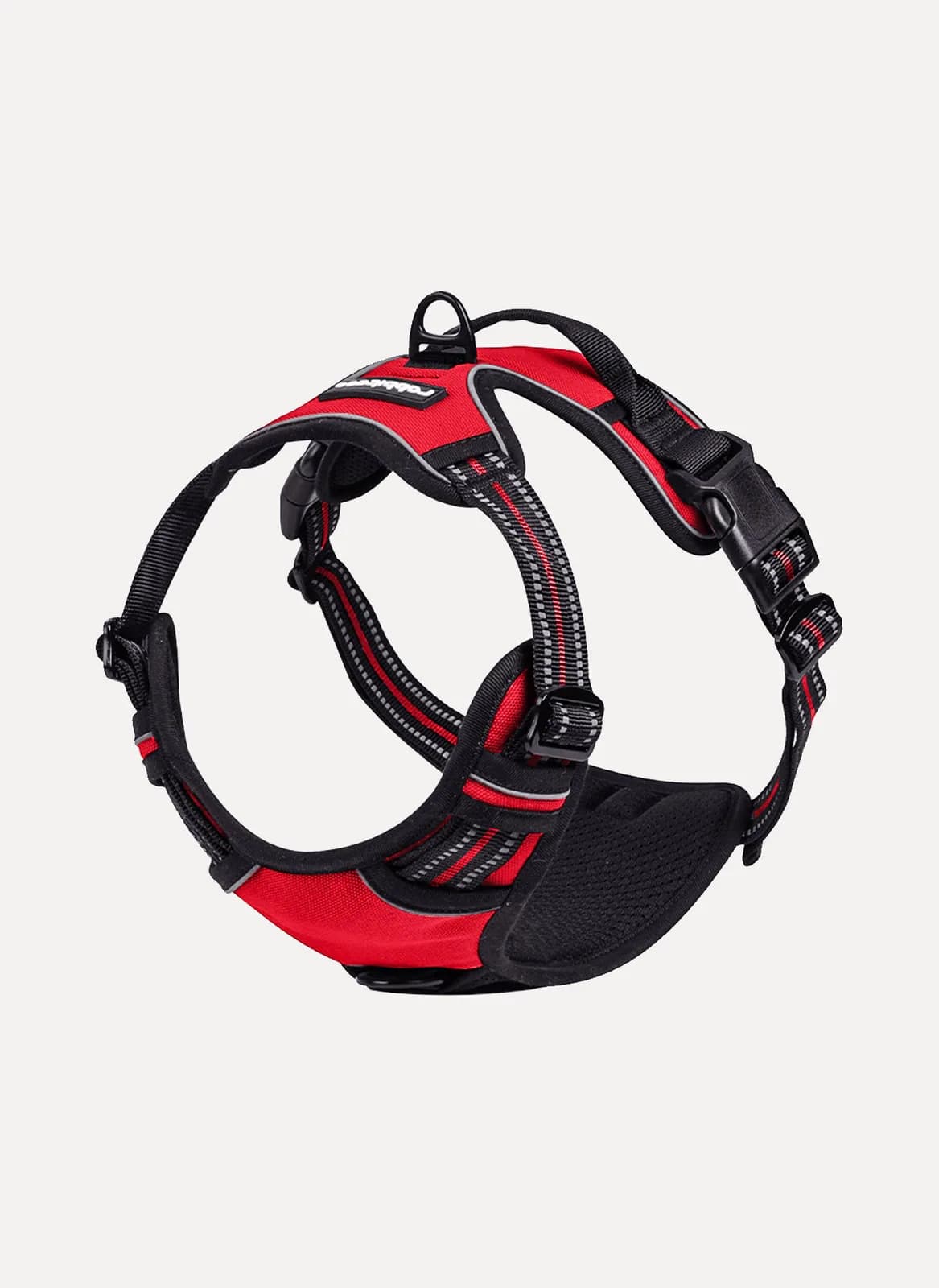
A padded, reflective no-pull harness with front and back leash rings, four-point adjustment, and a top handle for walks and trail outings.
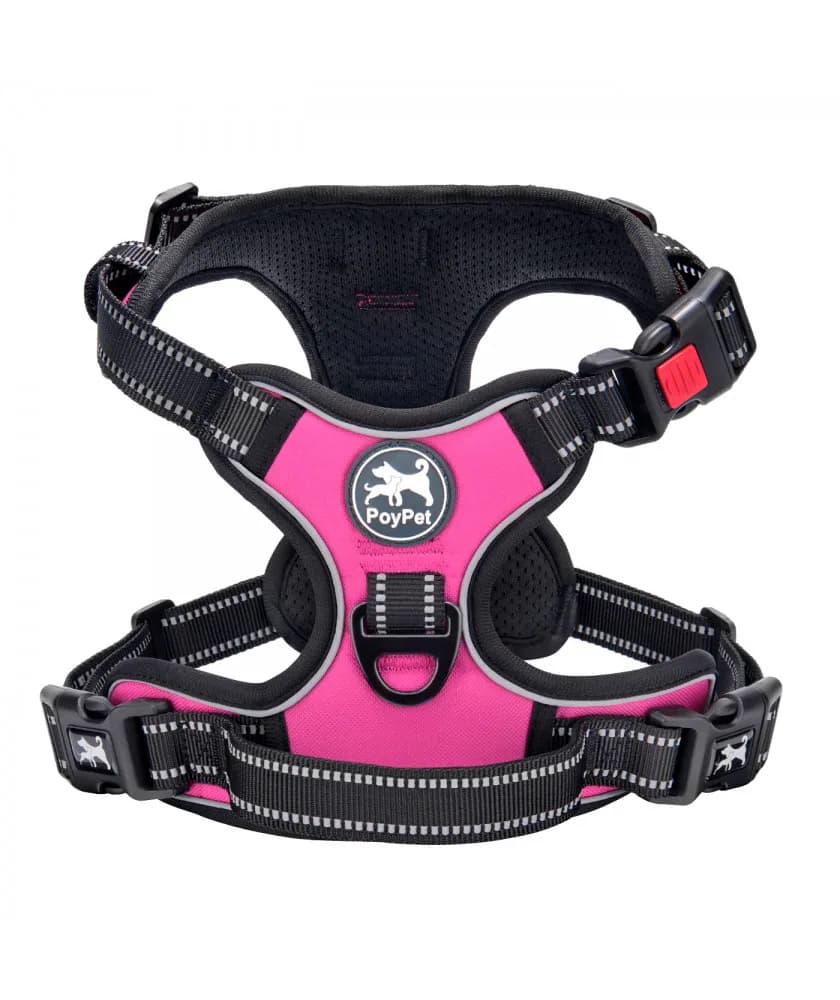
A head-friendly three-buckle harness with reflective trim, dual leash points, adjustable padded construction, and a soft control handle.
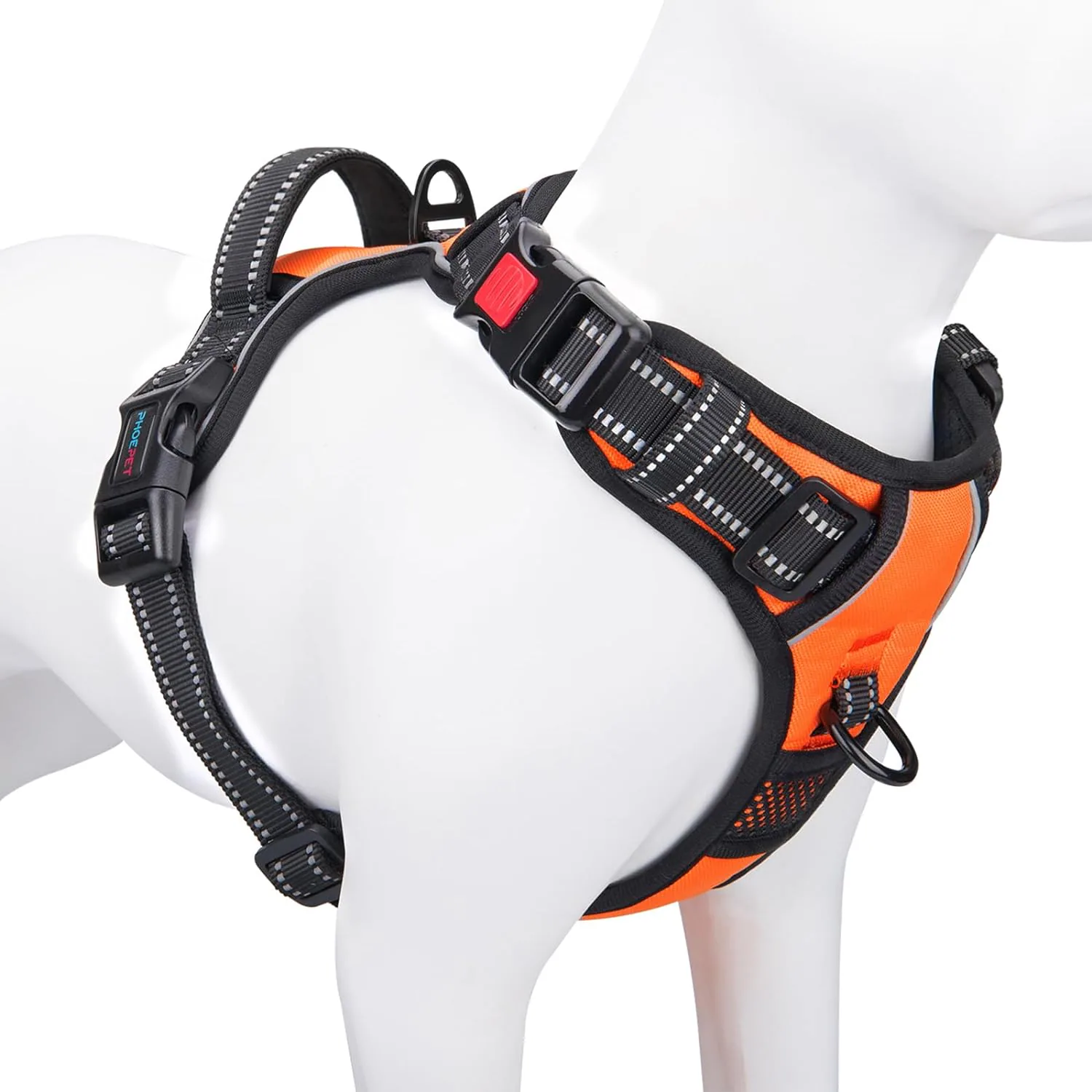
A reflective three-buckle harness with front and back metal leash rings, padded mesh, four-way adjustment, and a top control handle.
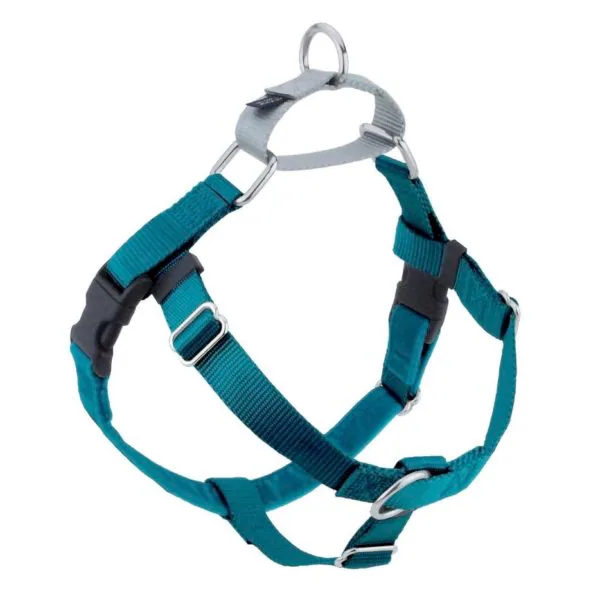
A four-point adjustable no-pull system with a front steering ring, a rear martingale loop, soft Swiss velvet lining, and an included double-connection leash for directional guidance.
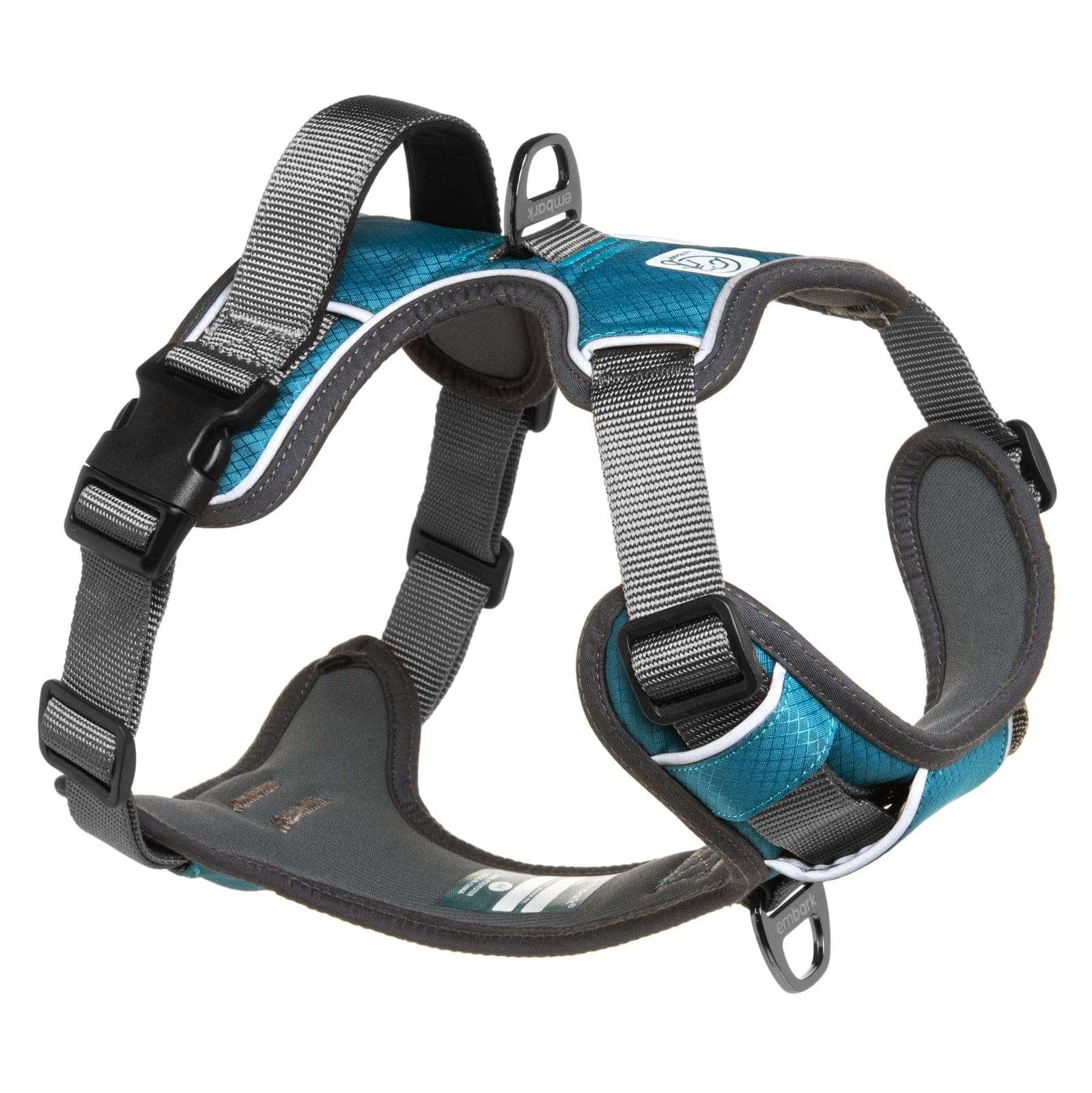
A budget-friendly padded adventure harness with rip-stop nylon, front and back attachments, reflective trim, a control handle, and five sizes. It suits owners who want trail and no-pull functions in one product.
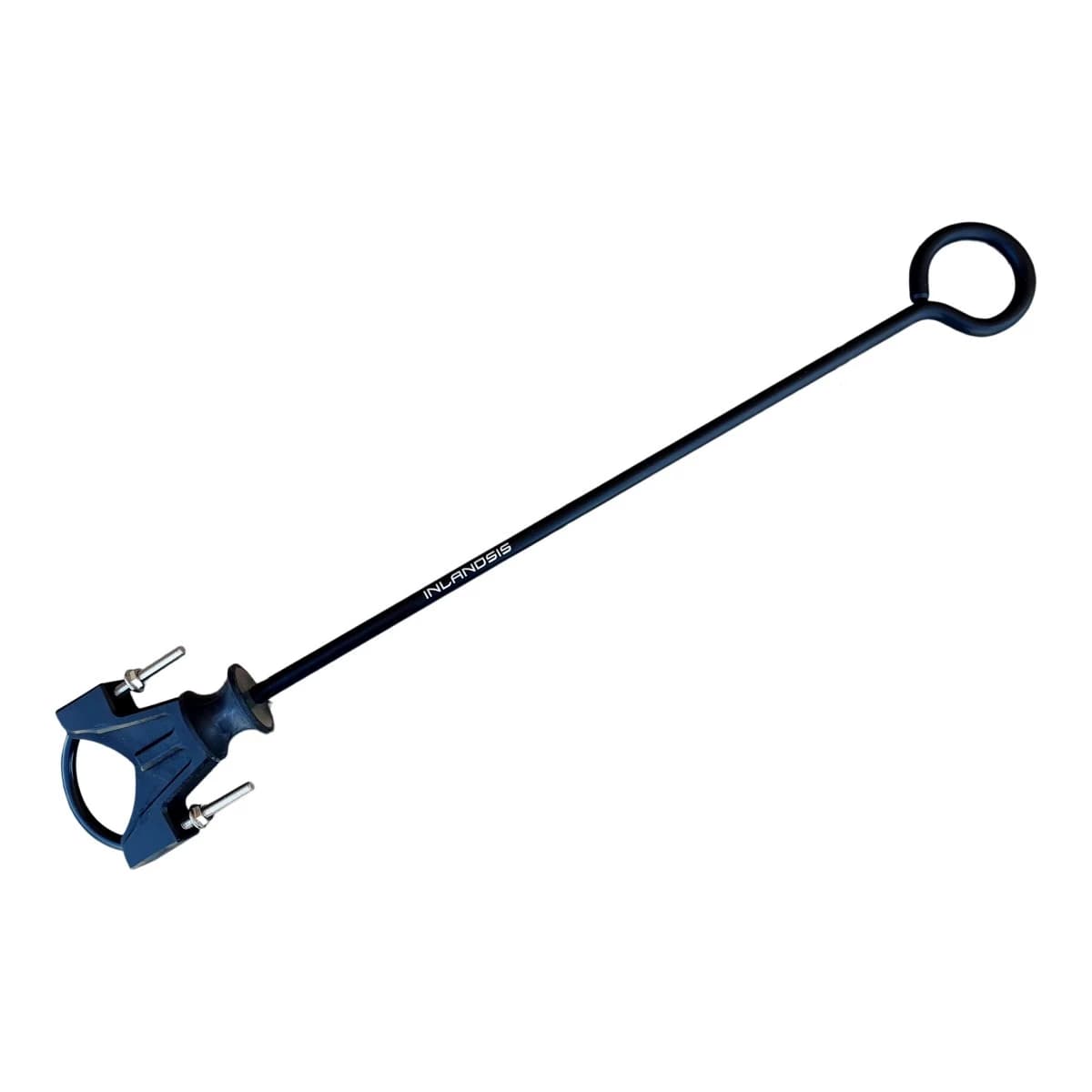
Bikejor Max is the only true bikejoring product in this list: it keeps a separate bungee line away from the front wheel while a trained dog runs ahead and pulls. The independent-of-steering head-tube mount, low weight, verified reviews, and excellent documentation are strong, but it is intentionally not suitable for a dog running beside or behind the bicycle and requires a separate pulling harness and tug line.
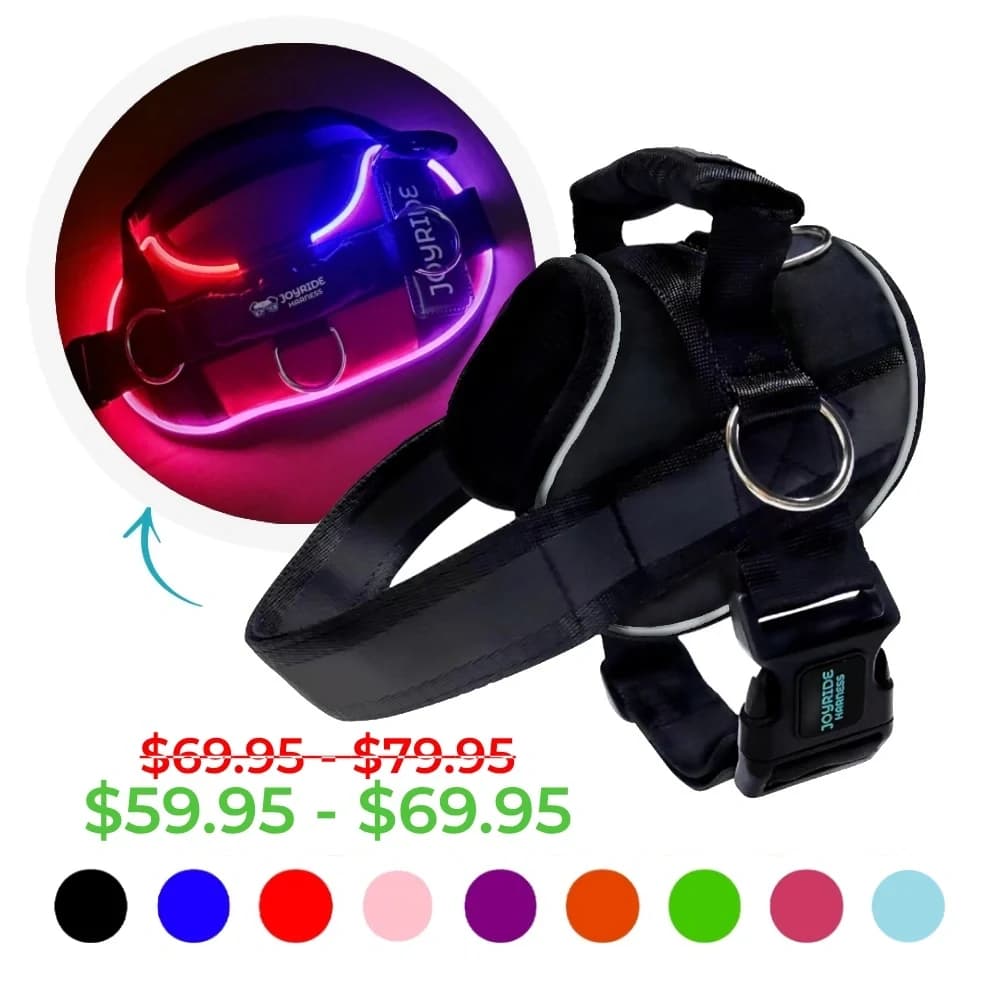
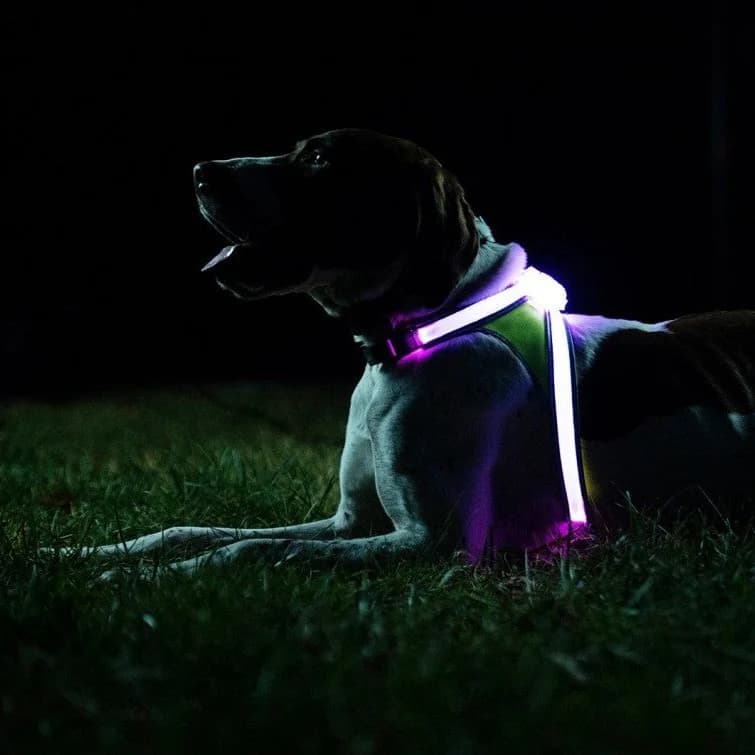
NightSafe 2.0 combines a familiar adjustable no-pull harness with built-in rechargeable LEDs and reflective material. Joyride documents three light modes, a claimed six-to-eight-hour runtime, sizes XS through XXL, and a four-to-140-pound fit range. That conventional harness format is easier to use as primary walking gear than a visibility-only vest, but published reviews include fit and battery concerns, so owners still need to measure carefully and test charging before each outing. Illumination cannot guarantee a driver or cyclist will see the dog.
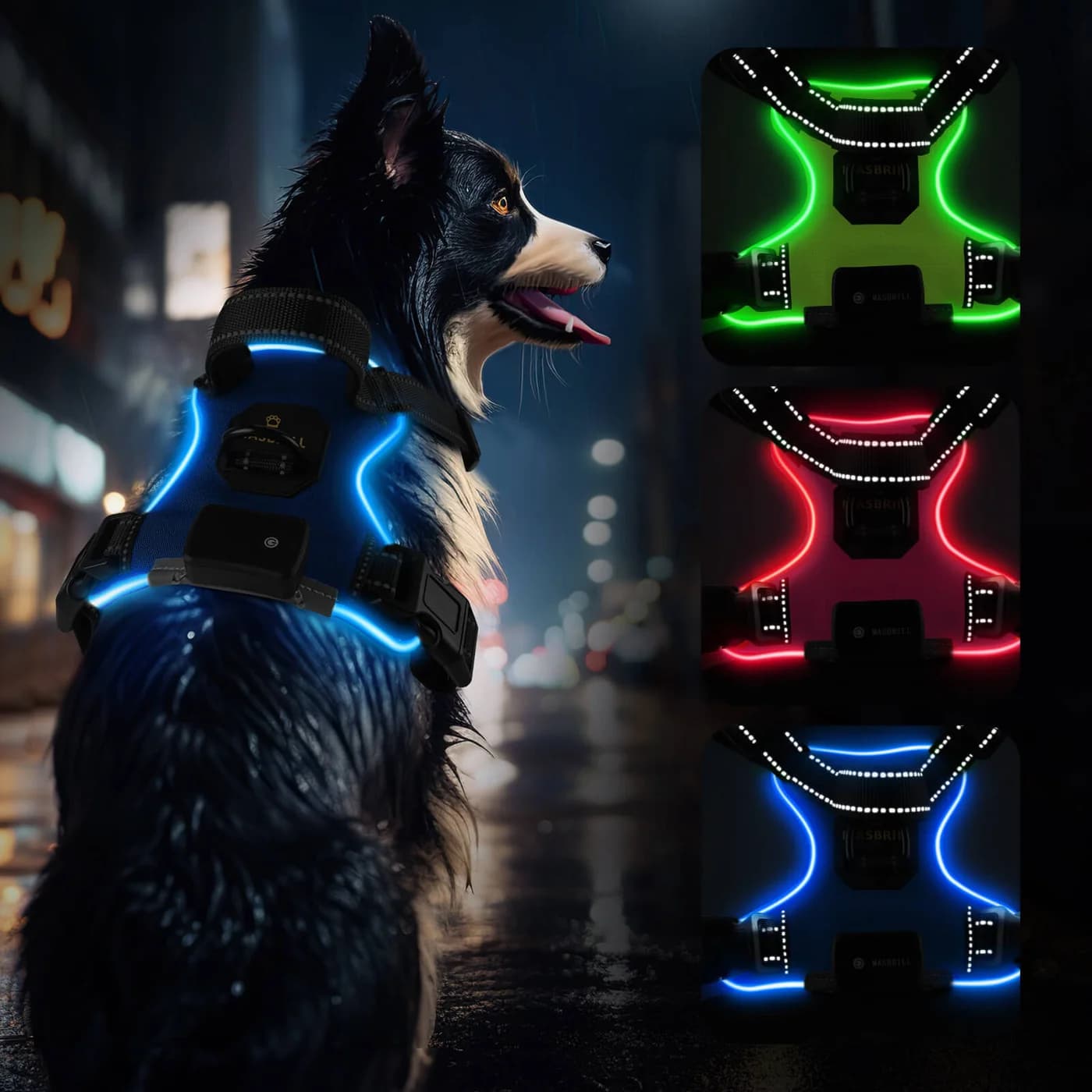
MASBRILL pairs a breathable padded harness with reflective material, front and rear D-rings, four adjustment straps, USB charging, and three light modes. The Walmart listing supplied the best combination here of low current price and a large exact-product rating sample. Availability differed between retailers: Walmart showed the exact product orderable while the official default variant was backordered. Neither source published a dependable runtime or water-resistance rating for this exact listing, so those figures should not be borrowed from similar MASBRILL products.
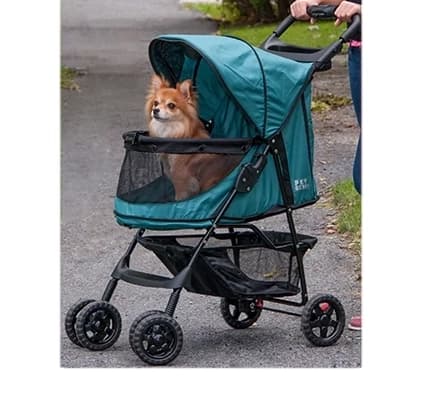
5 Best Cat Strollers for Outdoor Trips
A research-based comparison of five currently orderable enclosed pet strollers that can carry cats on sidewalks, parks, travel days, and other controlled outdoor outings. Rankings use official specifications, current storefront availability, public review signals, cabin dimensions, braking, ventilation, folding, and editorial judgment; these strollers are not substitutes for a secure carrier in a moving vehicle, and Outdoor Pet Picks has not hands-on tested them.
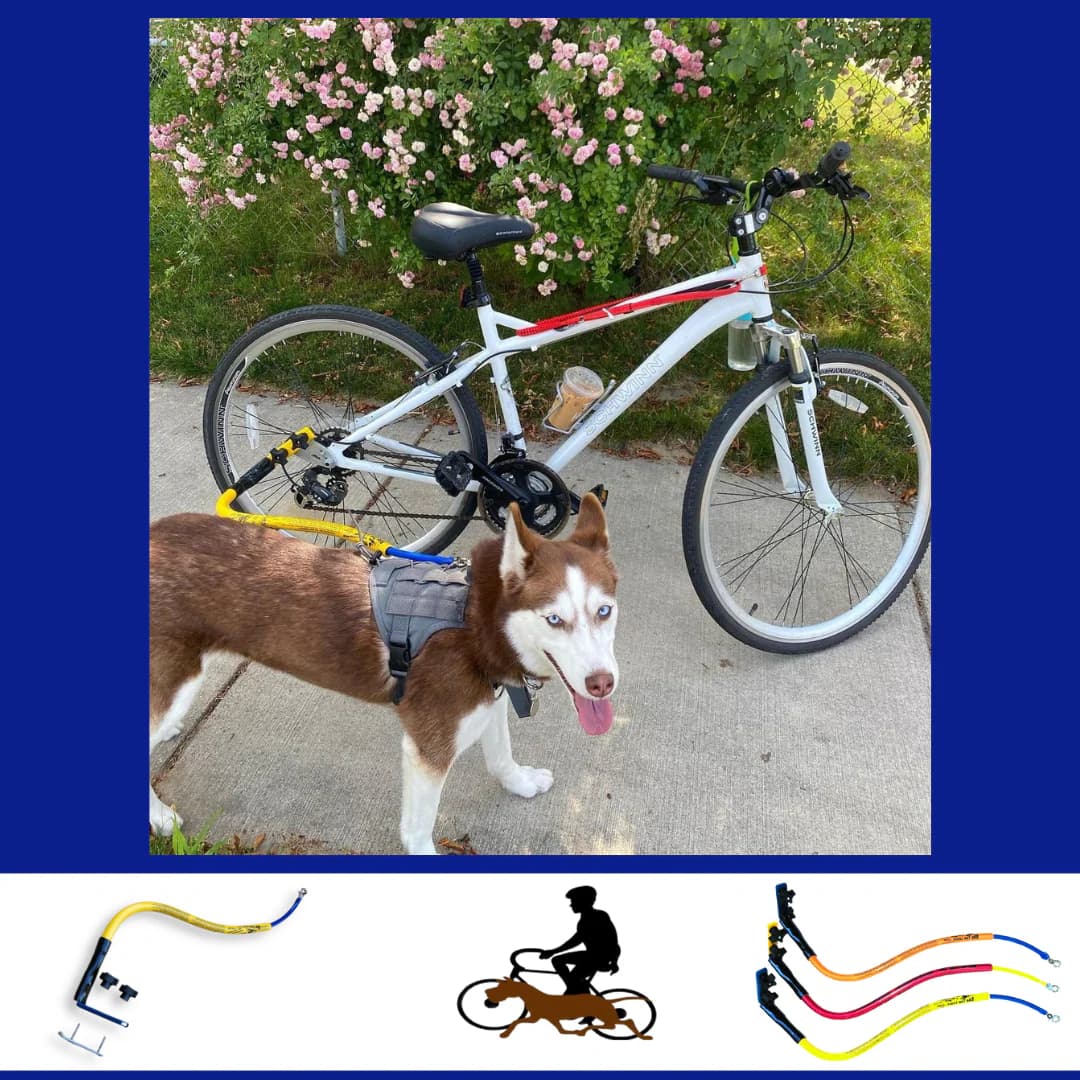
8 Best Dog Leash Bike Attachments for Safer Rides
Eight currently orderable bicycle leash systems compared from official mounting instructions, bicycle compatibility, shock-management hardware, published dog and rider restrictions, current availability, and product-specific public review signals. Seven are designed to keep a dog running beside the bicycle; the Inlandsis Bikejor Max is a front-pull bikejoring antenna and is not a substitute for a side-running attachment. No attachment makes cycling with a dog risk-free: use only with a healthy, physically mature, reliably trained dog after veterinary guidance; use a correctly fitted back-clip harness rather than a collar or head halter; acclimate first while walking the bicycle; avoid traffic, heat, hot pavement, and excessive speed; inspect paws and hardware; follow local rules; and stop if either dog or rider loses control.