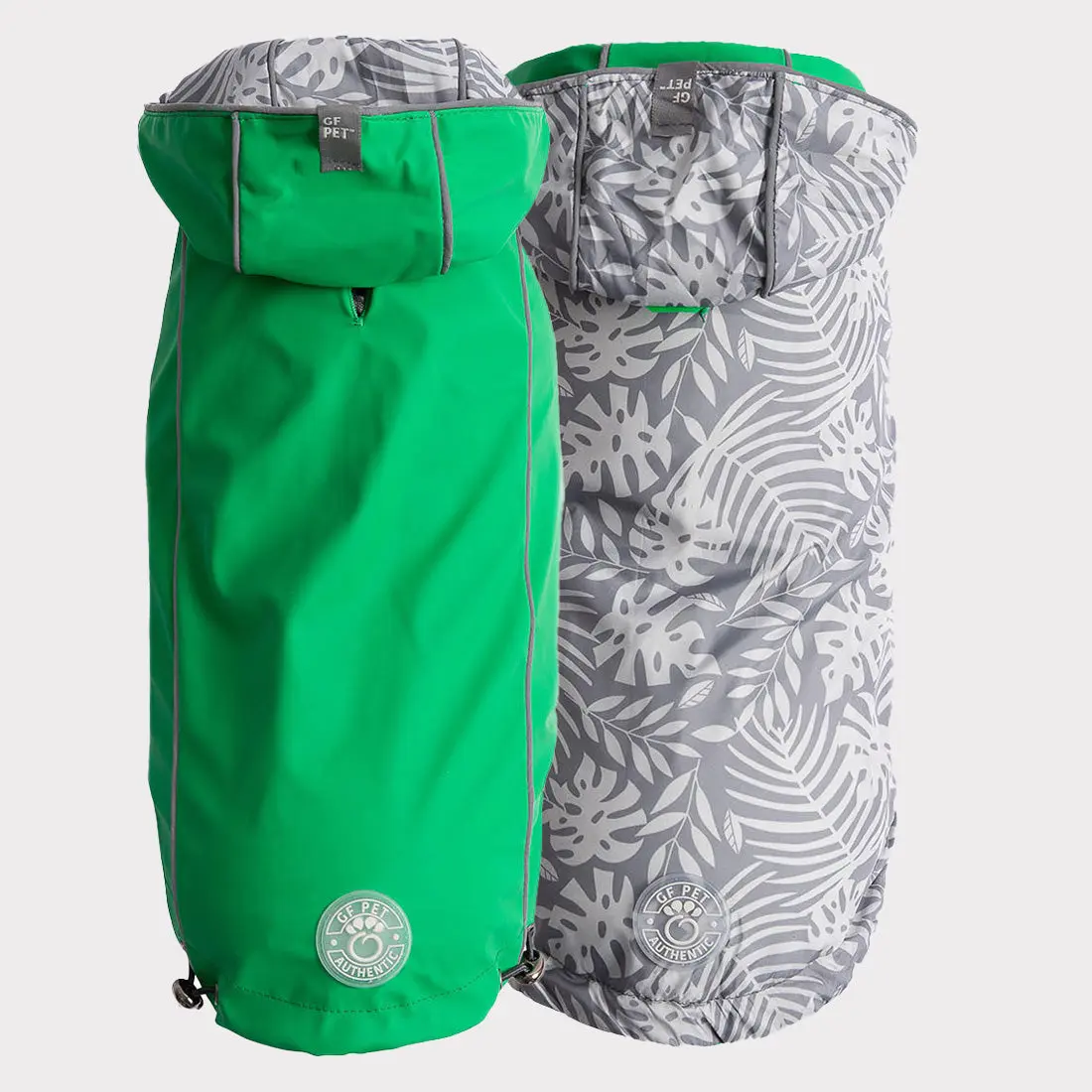
GF PET combines a waterproof polyurethane shell, reversible styling, a tackable hood, reflectivity, and patented Elasto-Fit construction that avoids lifting the dog's legs. It is easy and comparatively affordable, but it lacks published waterproof-breathability test values and a dedicated harness portal.
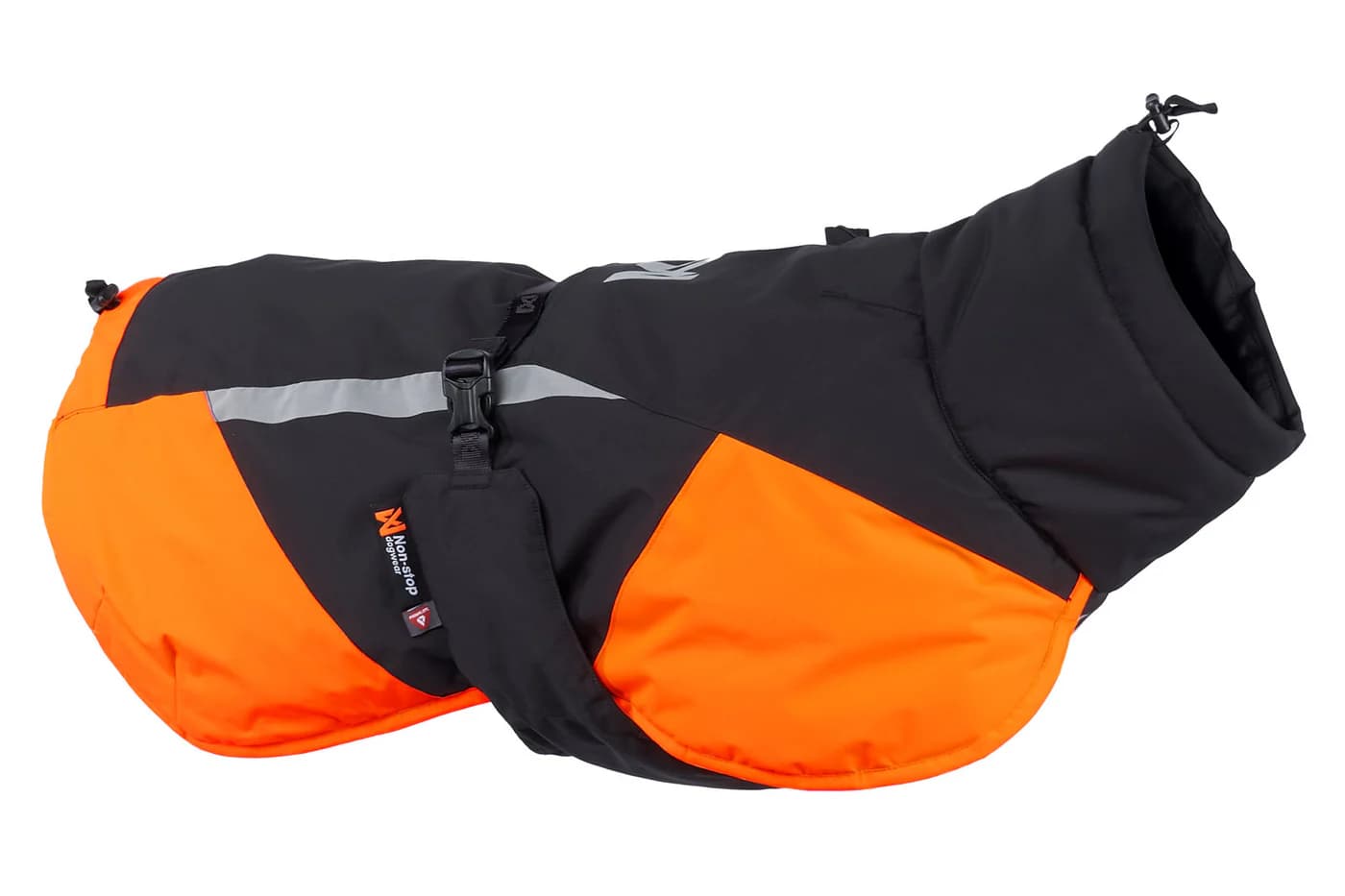
The Glacier jacket 3.0 uses PrimaLoft Black Insulation Eco, a 20,000 mm-rated shell, 20,000 g/m²/24hr breathability, reinforced panels, and ergonomic shaping for active winter use. It is unusually warm, packable, and movement-friendly, but the brand classifies it as water-repellent rather than a fully waterproof raincoat and publishes no aggregate reviews.
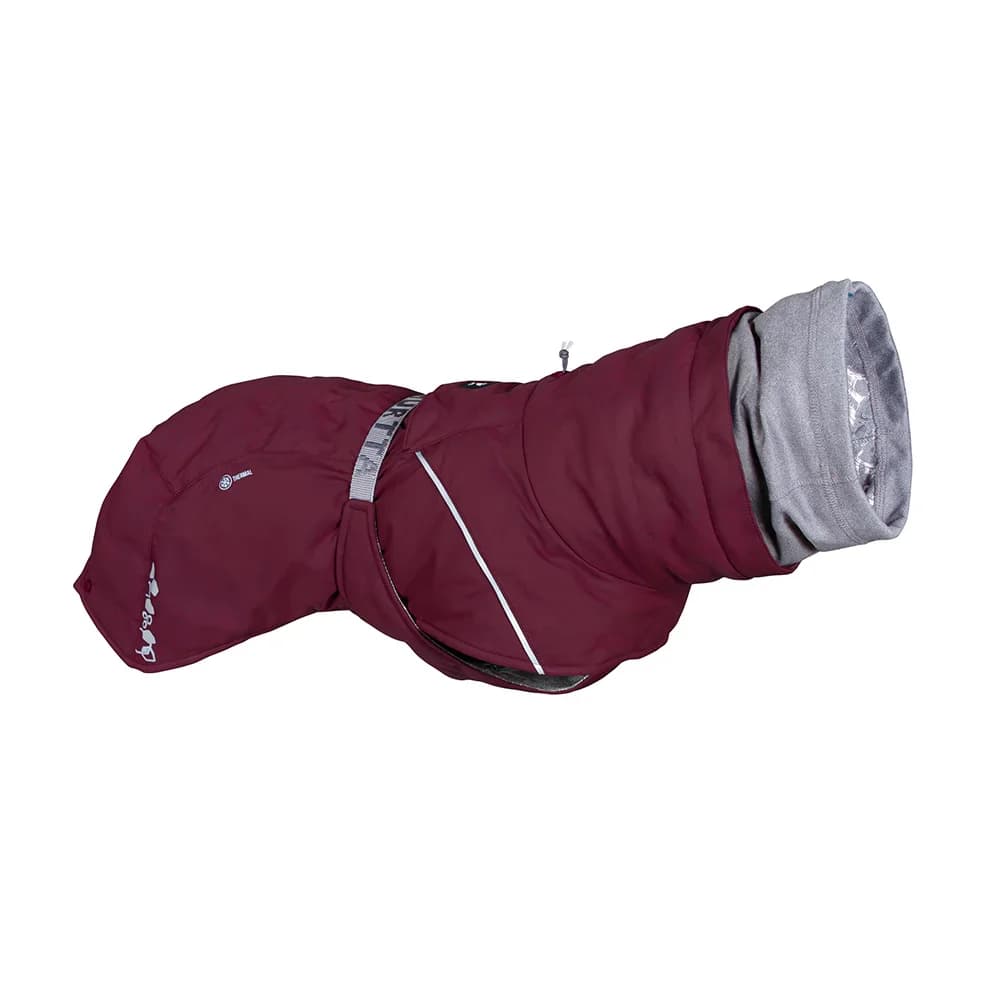
Hurtta's warmest coat combines 120-140 g/m² recycled wadding with a heat-reflecting foil lining, a high hood, full taped seams, and a stated -5°C to -30°C use range. It is the strongest option for severe cold and low-output periods, but it is expensive, hand-wash only, and can be excessive for hard-running dogs in milder weather.
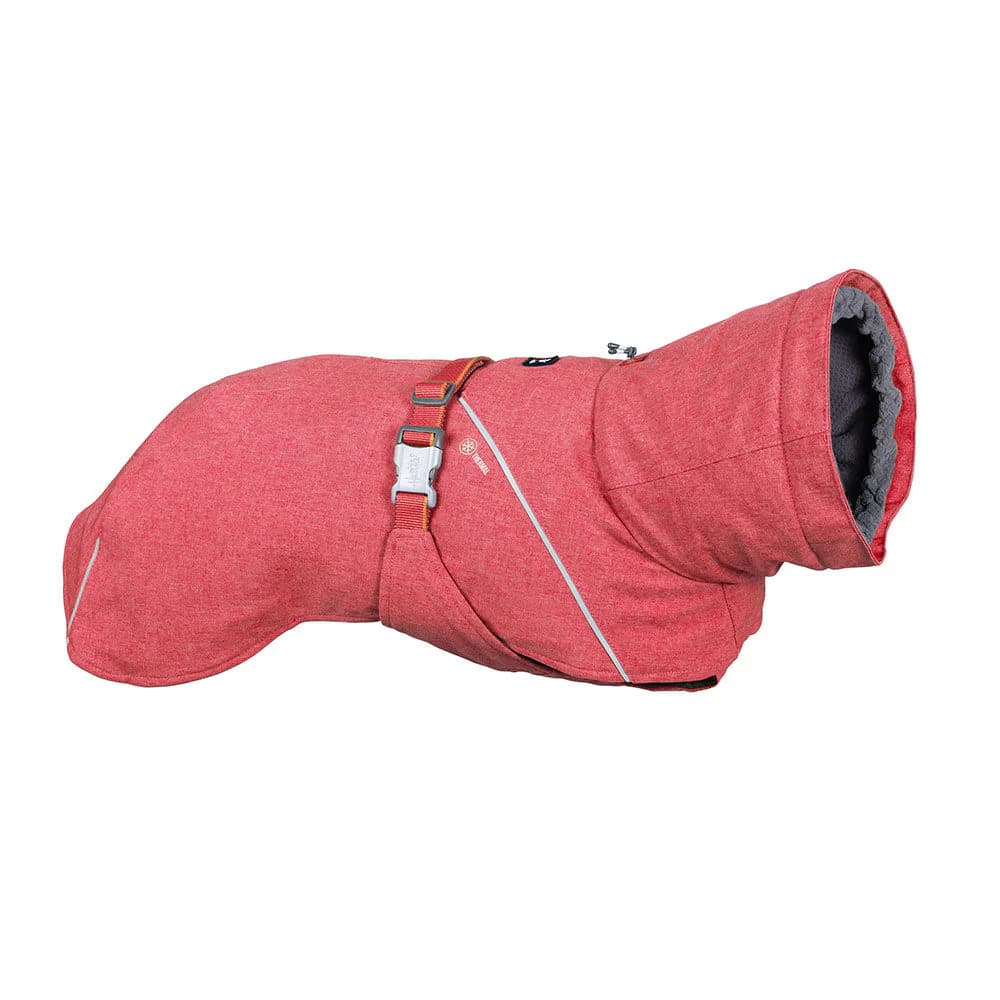
The Expedition Parka II uses 120-140 g wadding, a recycled 300D Houndtex shell, a stated 0°C to -25°C range, and extensive fit adjustment. It balances warmth, durability, and movement better than an extreme-cold coat, though only critical seams are taped and the larger silhouette is less packable than the Glacier.
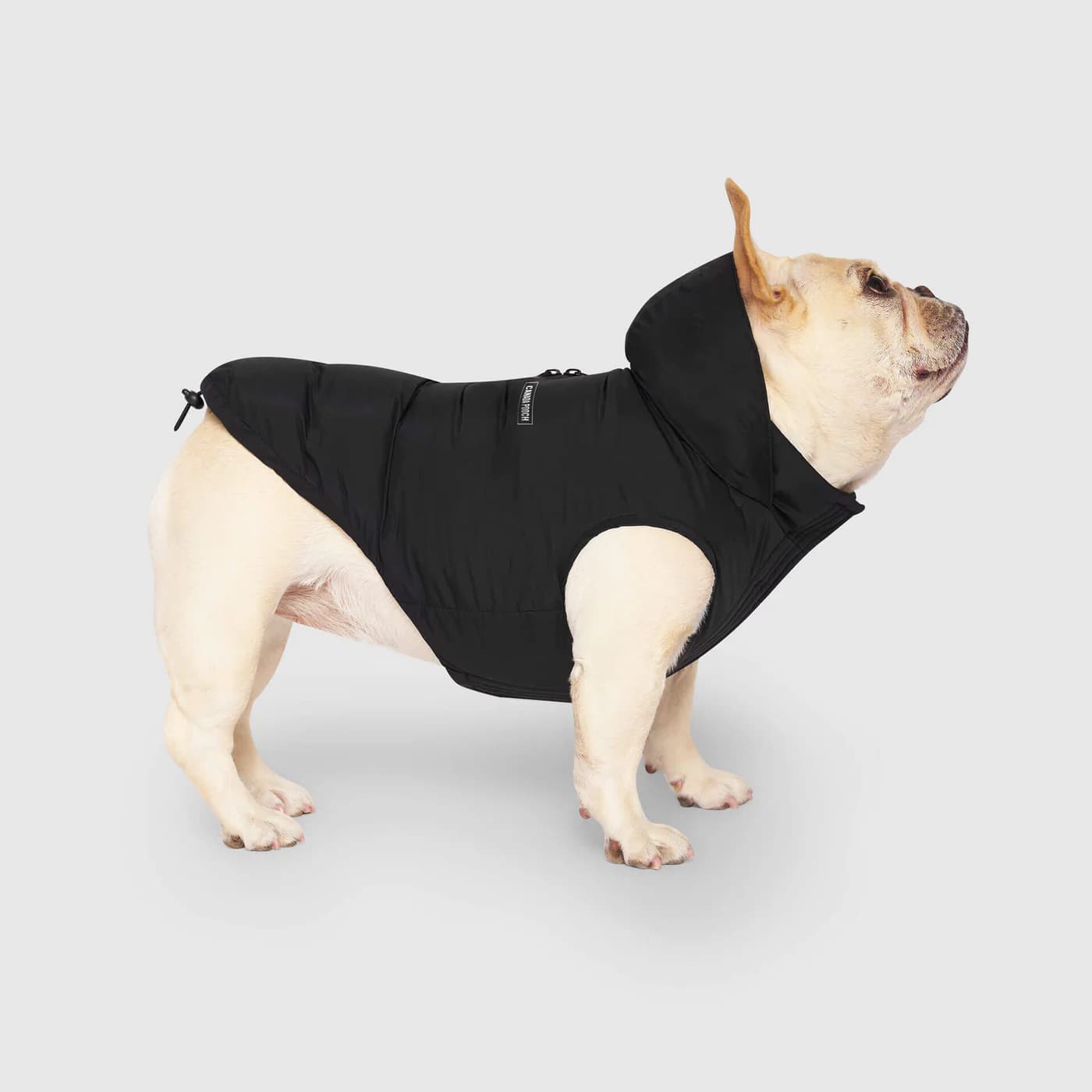
Canada Pooch combines a heat-sealed waterproof quilted shell, faux-down polyester insulation, an adjustable hem, and a zippered harness opening. Its 586-review evidence base is the largest here and it handles wet snow well, but the brand publishes no temperature or insulation-density rating and the underside uses wide hook-and-loop closures.
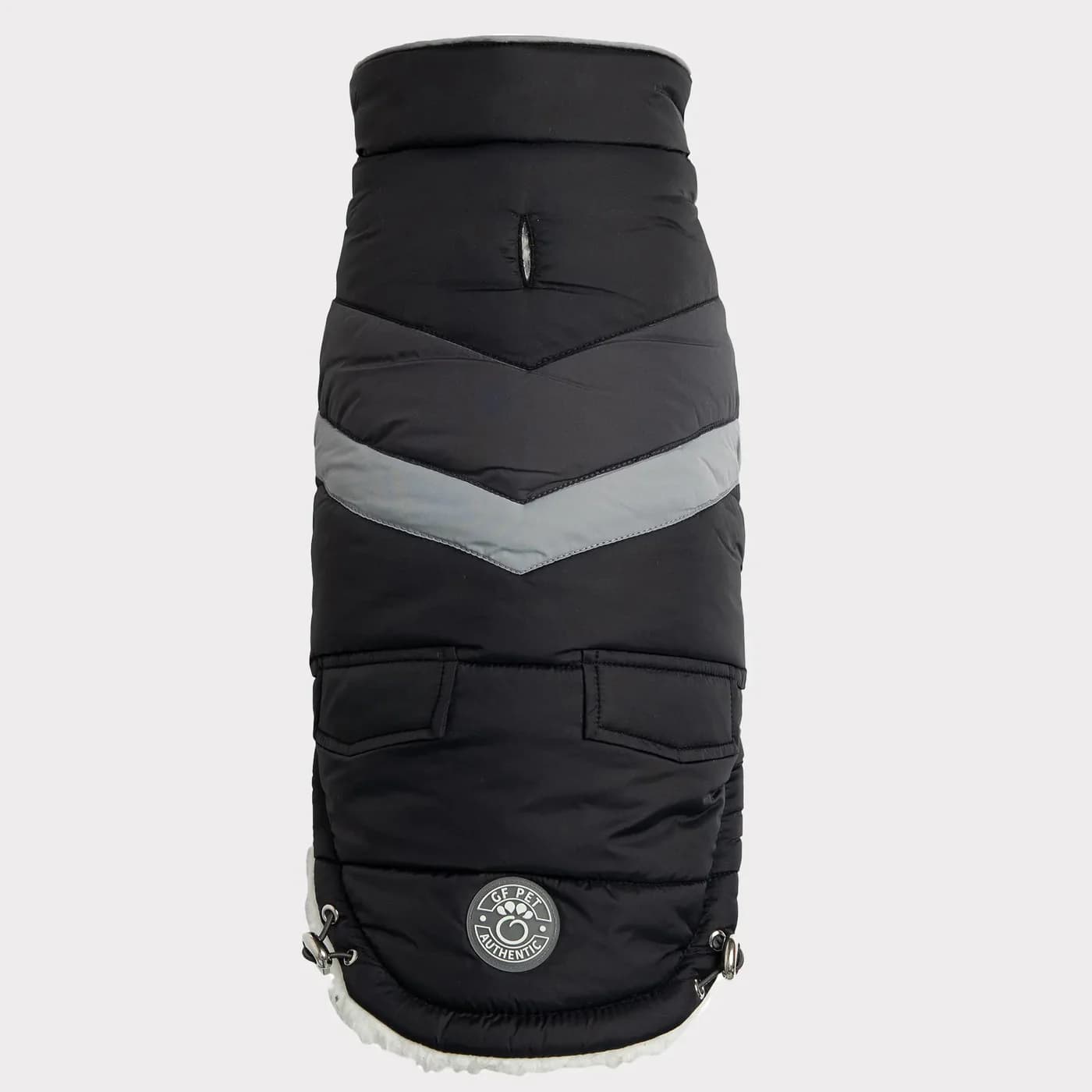
The Alpine Puffer uses polyester fill, popcorn Sherpa lining, a water-repellent nylon shell, Elasto-Fit wraparound closure, and a rear bungee adjustment. It is easy to fit and comparatively affordable for cool-to-cold outings, but it is not waterproof and carries no published temperature or insulation-density rating.
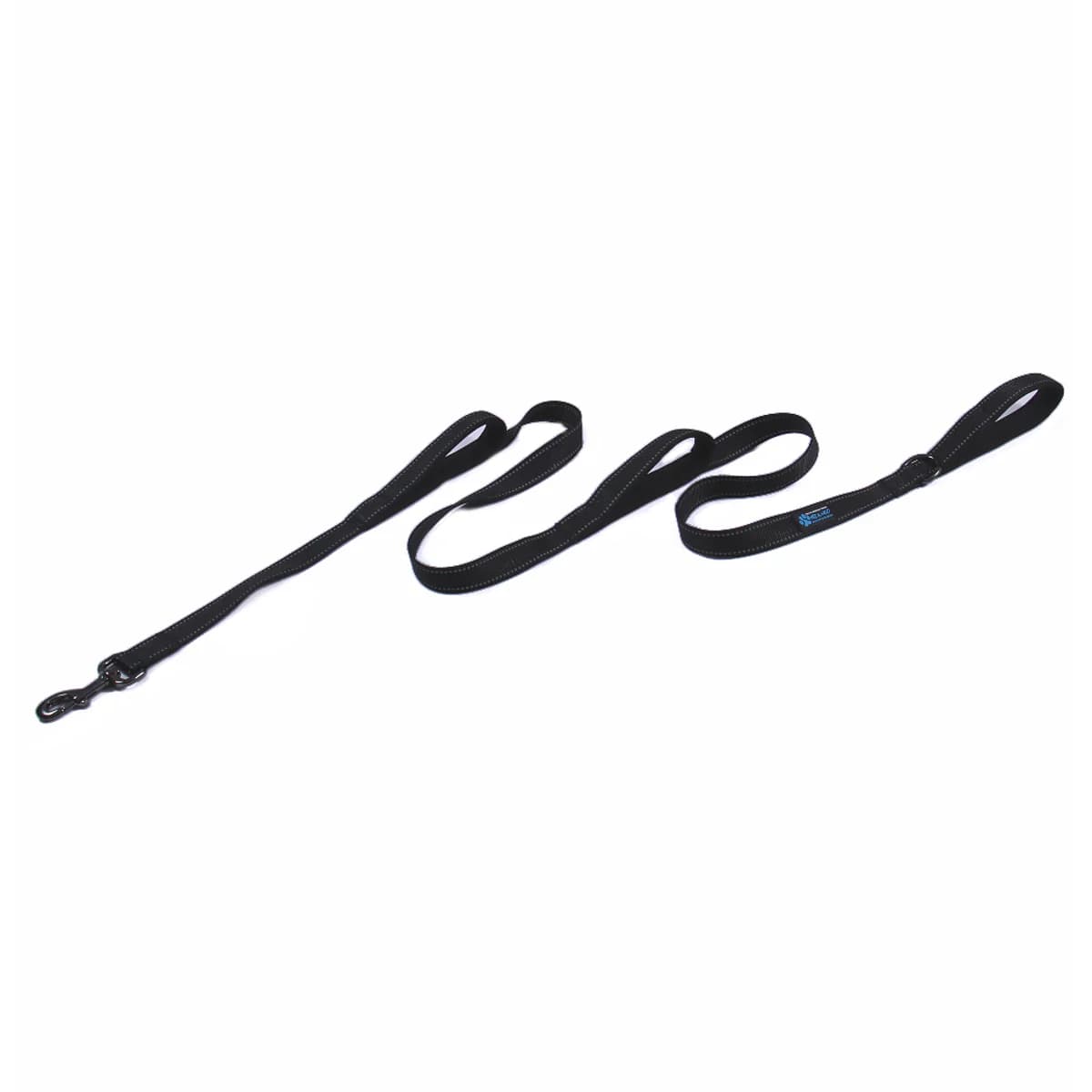
A six-foot, one-inch-wide reflective nylon leash with padded handles near 18 inches, 44 inches, and the end. It gives handlers three deliberate control positions and is explicitly positioned by the brand for dogs that pull, but it has no bungee section to absorb abrupt force.
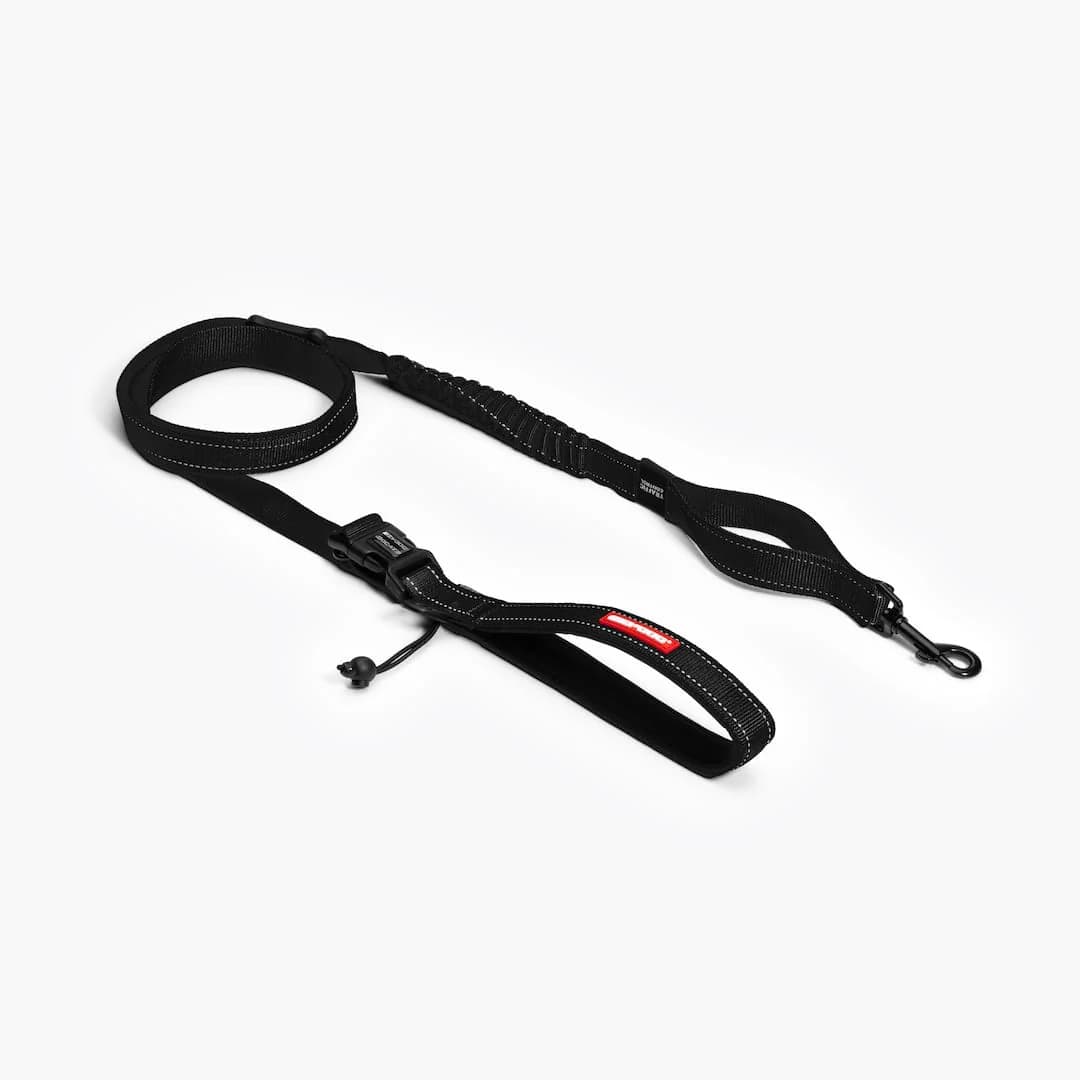
An approximately seven-foot leash that can be worn around the waist or over the shoulder, with EzyDog's Zero Shock section and a close-control traffic handle. Standard and Lite versions broaden fit, but hands-free use transfers sudden force toward the handler's torso and requires sound balance.
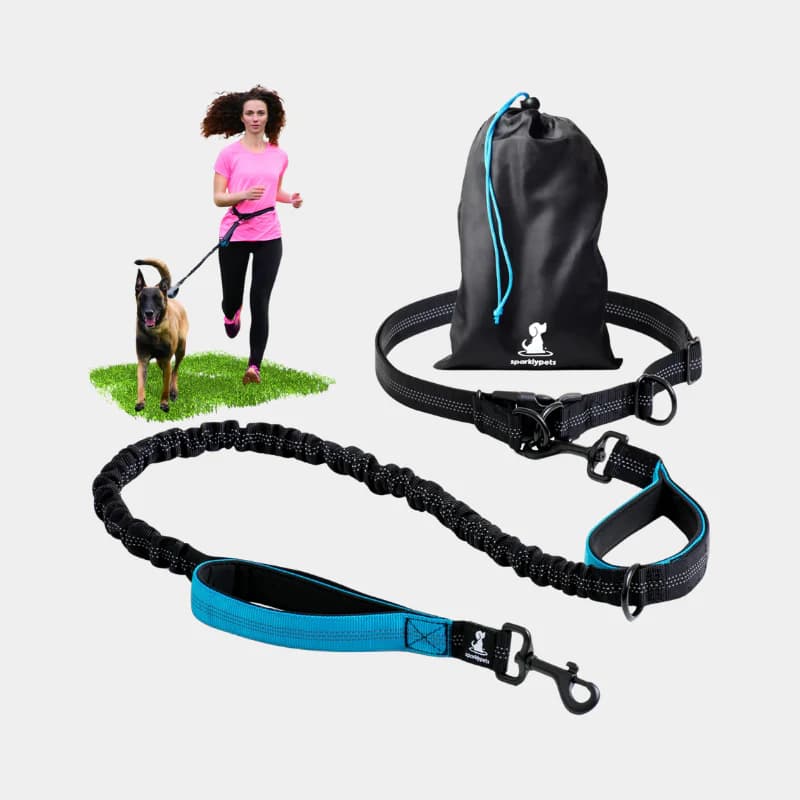
A low-cost waist-worn leash with a bungee section extending to about 68 inches, a 28-47 inch belt, two handles, and a dual-clasp security arrangement. It offers useful redundancy and close control for the price, while retaining the balance and training limitations shared by hands-free bungee systems.
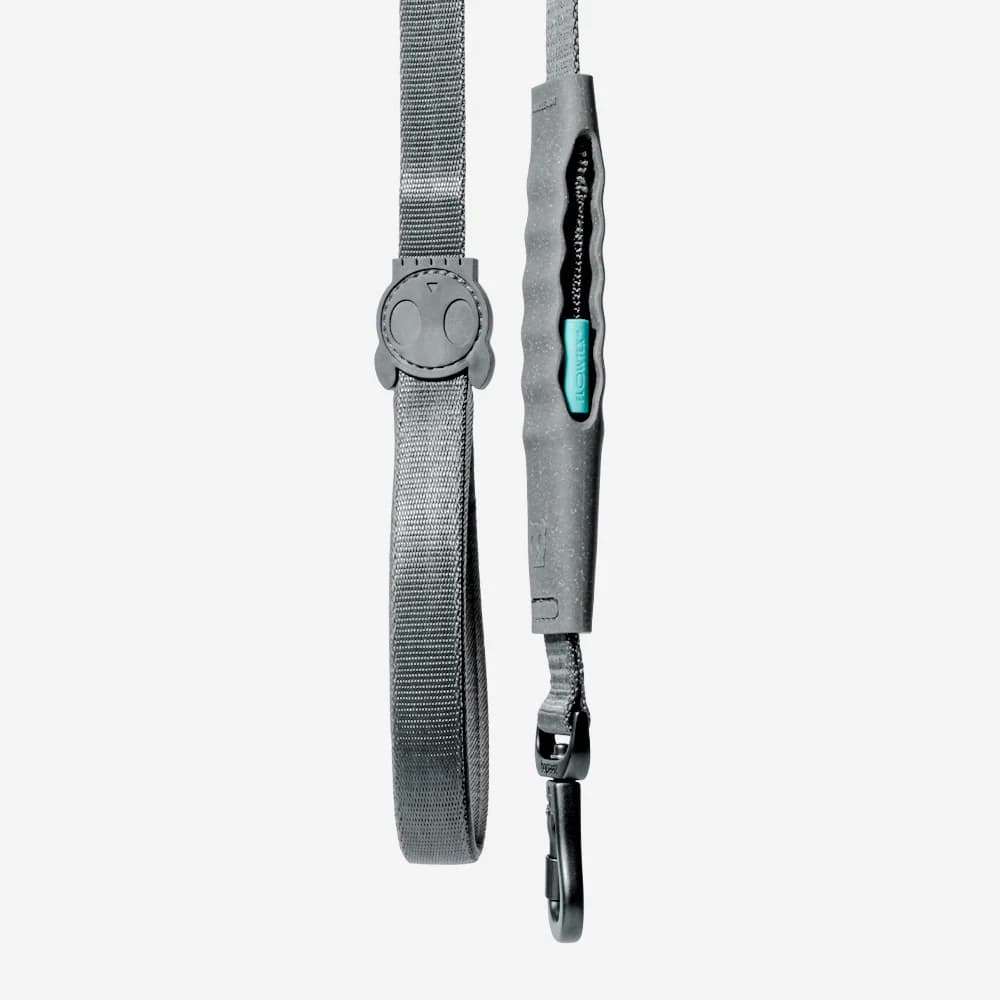
A compact Airleash using Zee.Dog's Flowtex elastic technology, with official guidance for dogs over 20 pounds. The 3.3-foot option keeps dogs closer and the product endpoint also exposed a 5-foot variant, but it lacks the multiple control handles and hands-free configurations of higher-ranked options.
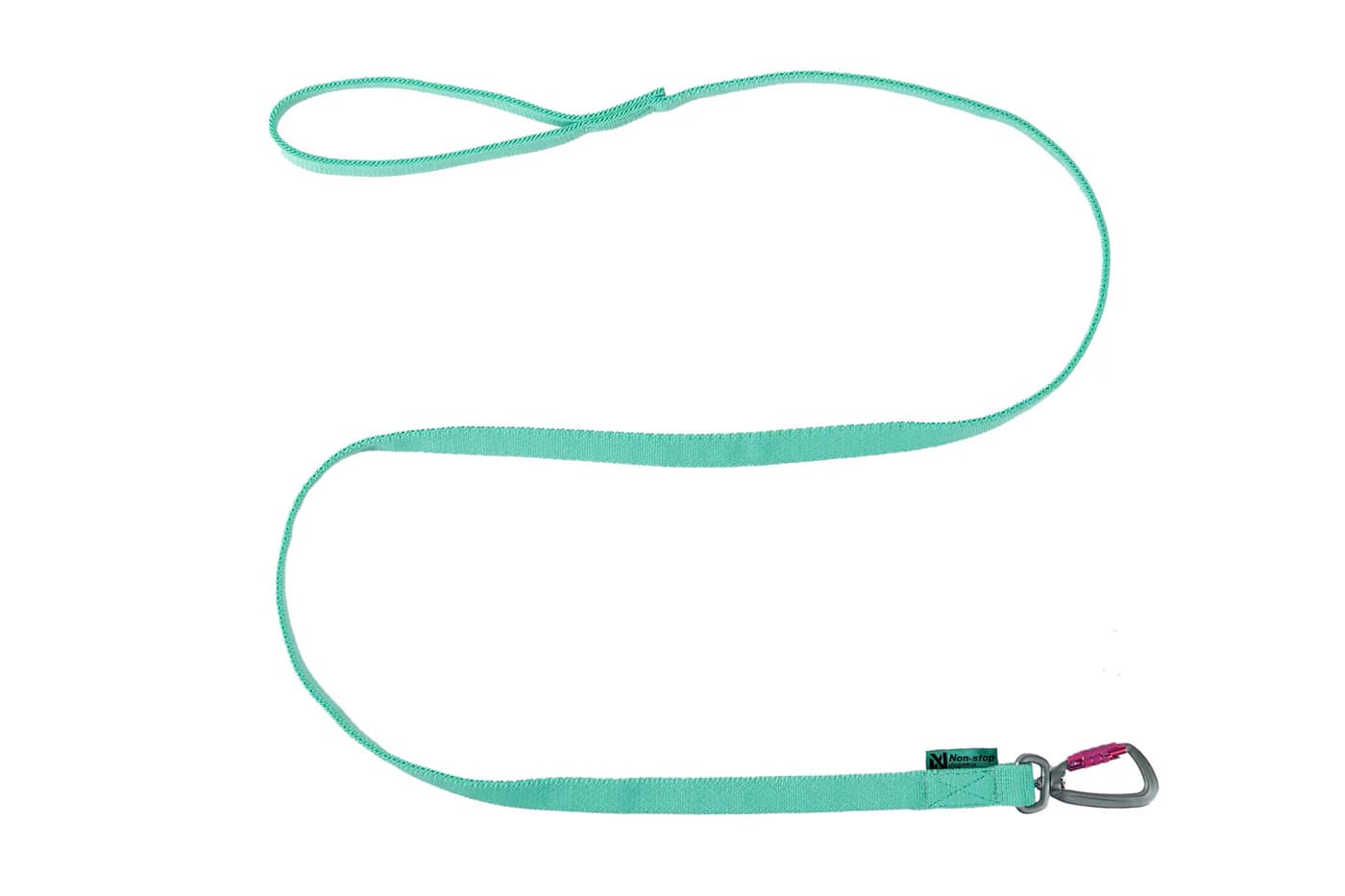
A fully elastic 2.0- or 2.8-meter line designed for canicross, bikejoring, and skijoring. It belongs in this ranking only as the specialist choice when pulling is intentional: it makes sustained pull more comfortable and must not be described as an anti-pull or training leash.
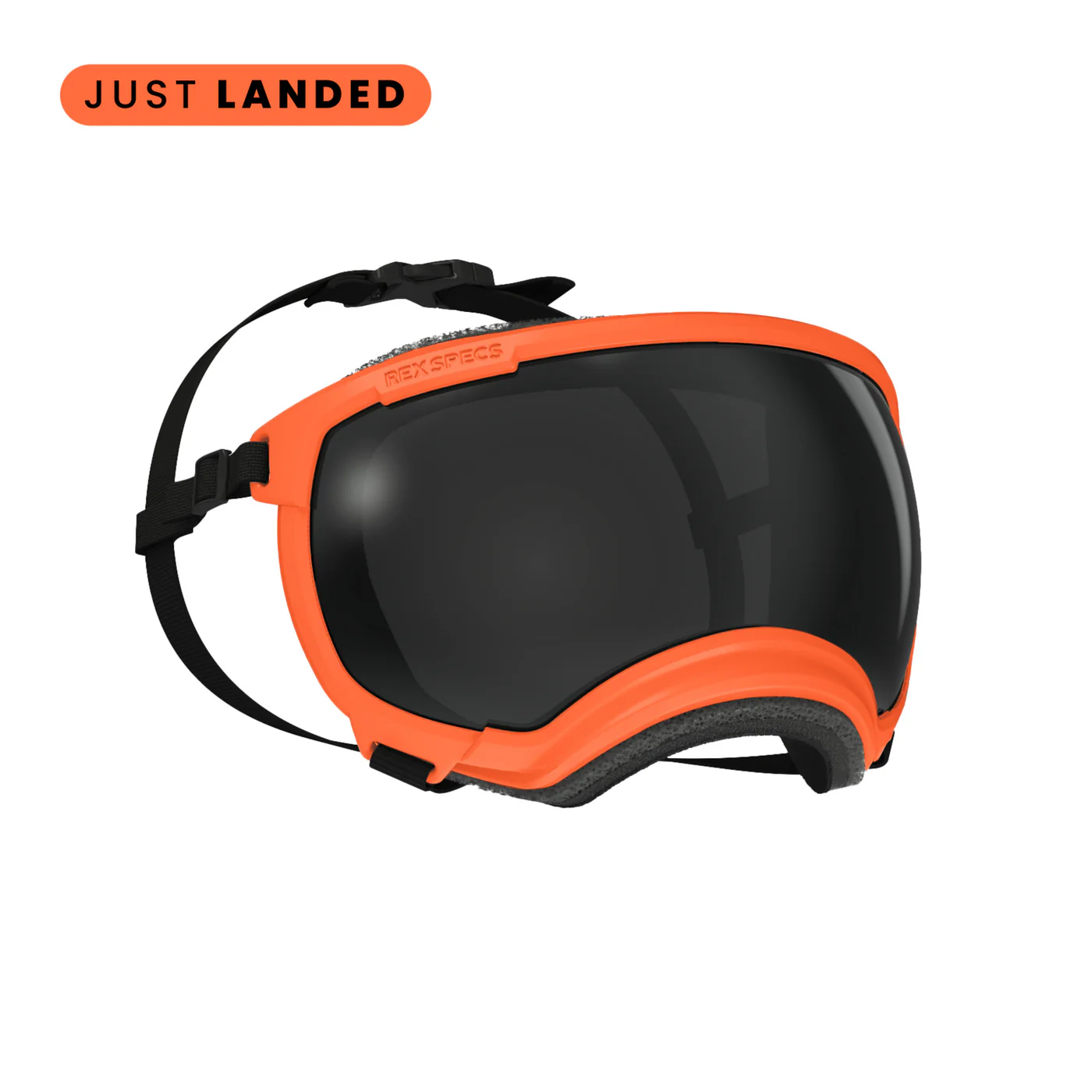
A vented, activity-oriented goggle with interchangeable impact-resistant lenses and a manufacturer claim of 99.9% UVA and UVB protection. Its broad size and color selection, exact Chewy listing, and exact official video make it the strongest all-round evidence package, but sizing and gradual acclimation are essential.