Learn how to compare waterproof layers, measure real coverage, test grip, protect a wet or cold dog, follow product-specific care directions, pack damp gear, and spot chew or leak damage before an outdoor trip.
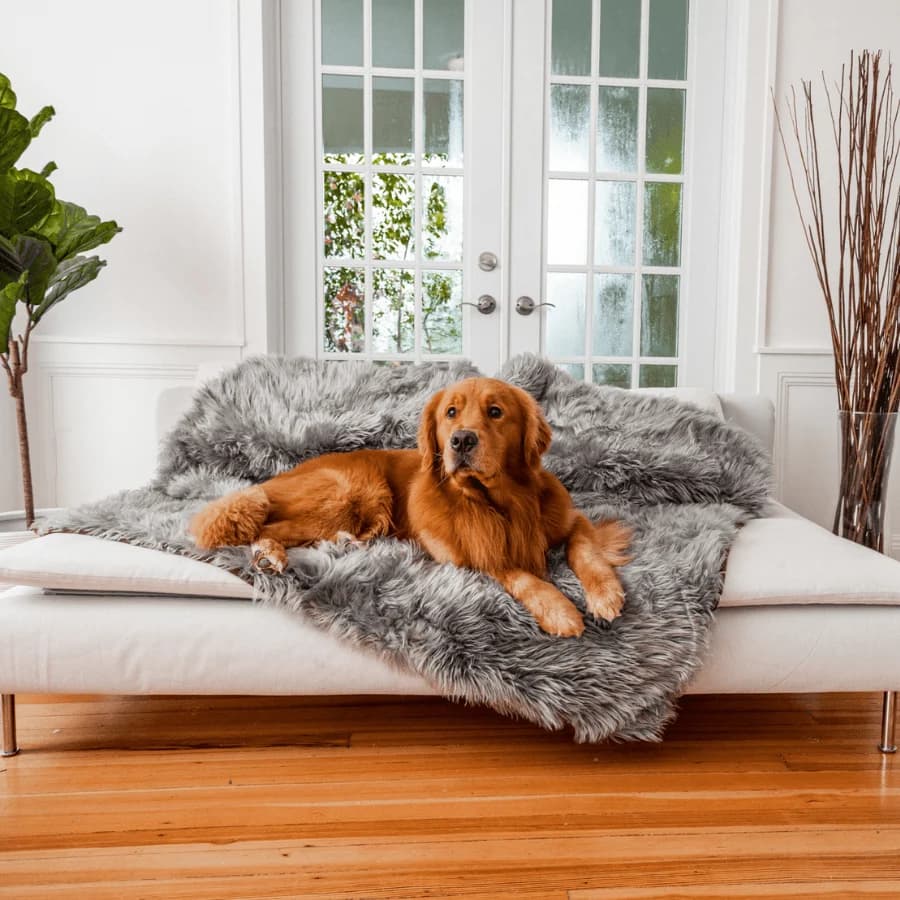
A waterproof dog blanket may give a dog a cleaner resting layer, shield a car or tent from damp fur and mud, and contain an occasional spill. A soft furniture throw may be comfortable but bulky; a compact trail blanket may shed dirt well but provide little padding; an internal membrane may block liquid through the center while stitched edges remain vulnerable. Read the exact product language and do not treat waterproof, water-resistant, and liquid-repellent as interchangeable promises. Look for documented construction, care instructions, finished dimensions, weight, and the surfaces the manufacturer names. A blanket is not automatically a dog bed, insulated sleeping bag, raincoat, medical incontinence pad, or guaranteed barrier under every amount of liquid. The right choice depends on where the dog will lie, how far the blanket must be carried, and what it needs to protect.
Wilderdog
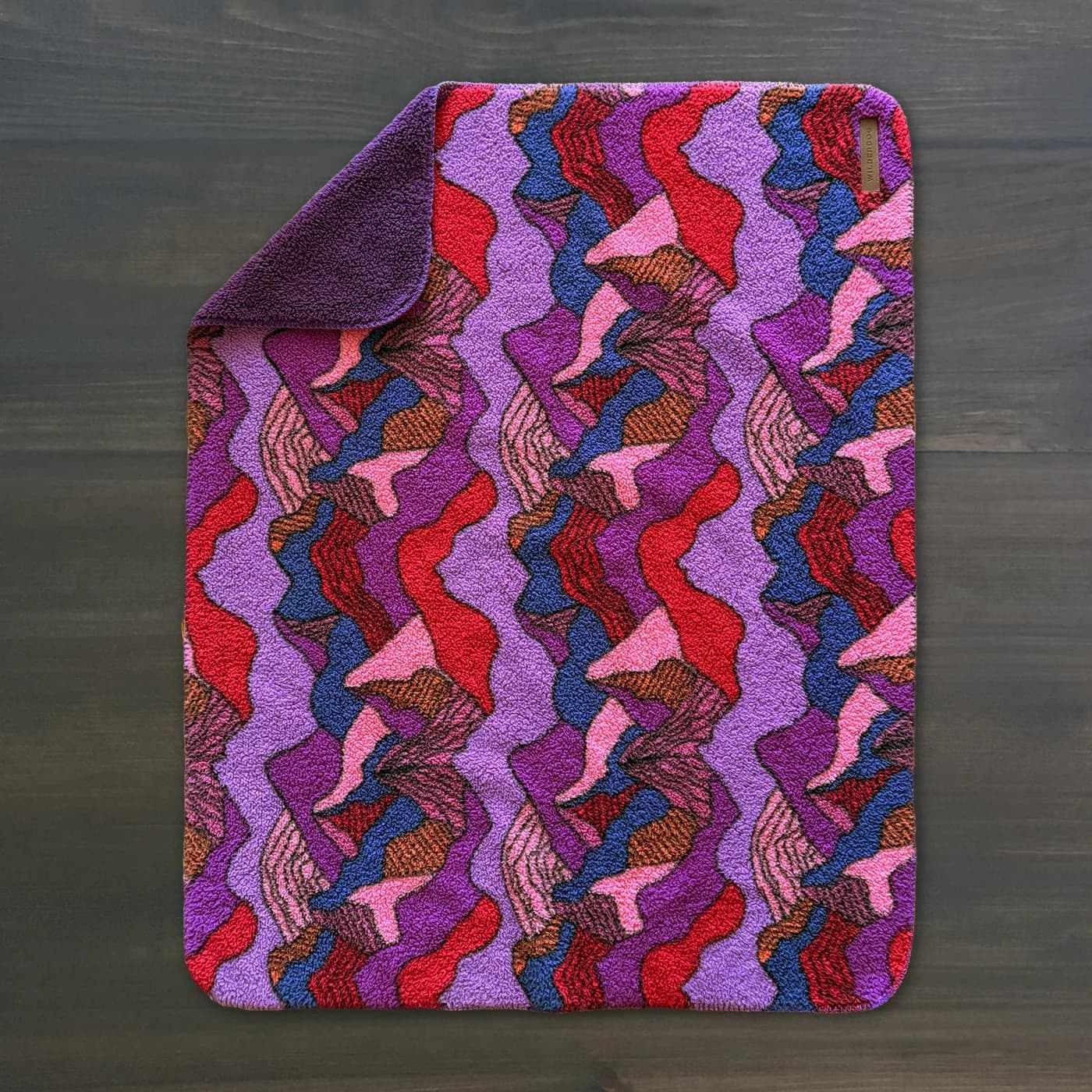
Wilderdog's Sherpa Fleece Waterproof Blanket is the strongest outdoor-oriented candidate in this group because it combines double-sided warmth with a documented flexible TPU waterproof membrane and a Big 60-by-90-inch option that can cover a substantial campsite, cargo-area, or van rest surface. The maker lists a 100% polyester blend with no added PFAS, and every size-and-color variant in the live U.S. product feed was available when checked. The deep exact-product review signal and brand-owned exact-product video add useful ownership and media evidence. Sherpa can collect leaves, grass, and hair, and Wilderdog recommends removing debris before washing. Waterproof does not mean chew-proof, puncture-proof, fireproof, or safe for an unattended dog. Keep it away from flames and hot vehicle surfaces, inspect the membrane and seams after washing, provide dry insulation appropriate to conditions, and never rely on a blanket to make a hot or cold vehicle safe.

Measure the space rather than choosing by breed label alone. With the dog relaxed, note the length and width occupied when it curls up and when it stretches on one side. Then measure the crate tray, vehicle seat, cargo floor, tent corner, cot, or campsite mat that the blanket must cover. Add enough margin for turning and for a damp dog to settle without moving off the protected area, but avoid loose fabric that bunches under feet, blocks a crate door, or becomes a trip hazard. Compare finished dimensions with packed size and weight because a household throw can consume most of a hiking pack. The Wilderdog Sherpa Fleece Waterproof Blanket is included as an outdoor-oriented example whose size, fold, materials, and care details still need to match the actual trip. Before departure, unfold the chosen blanket in its real location, let the dog stand, turn, lie down, and get up, and confirm that corners stay clear of aisles, pedals, doors, heater vents, and cooking areas.
Pet Parents
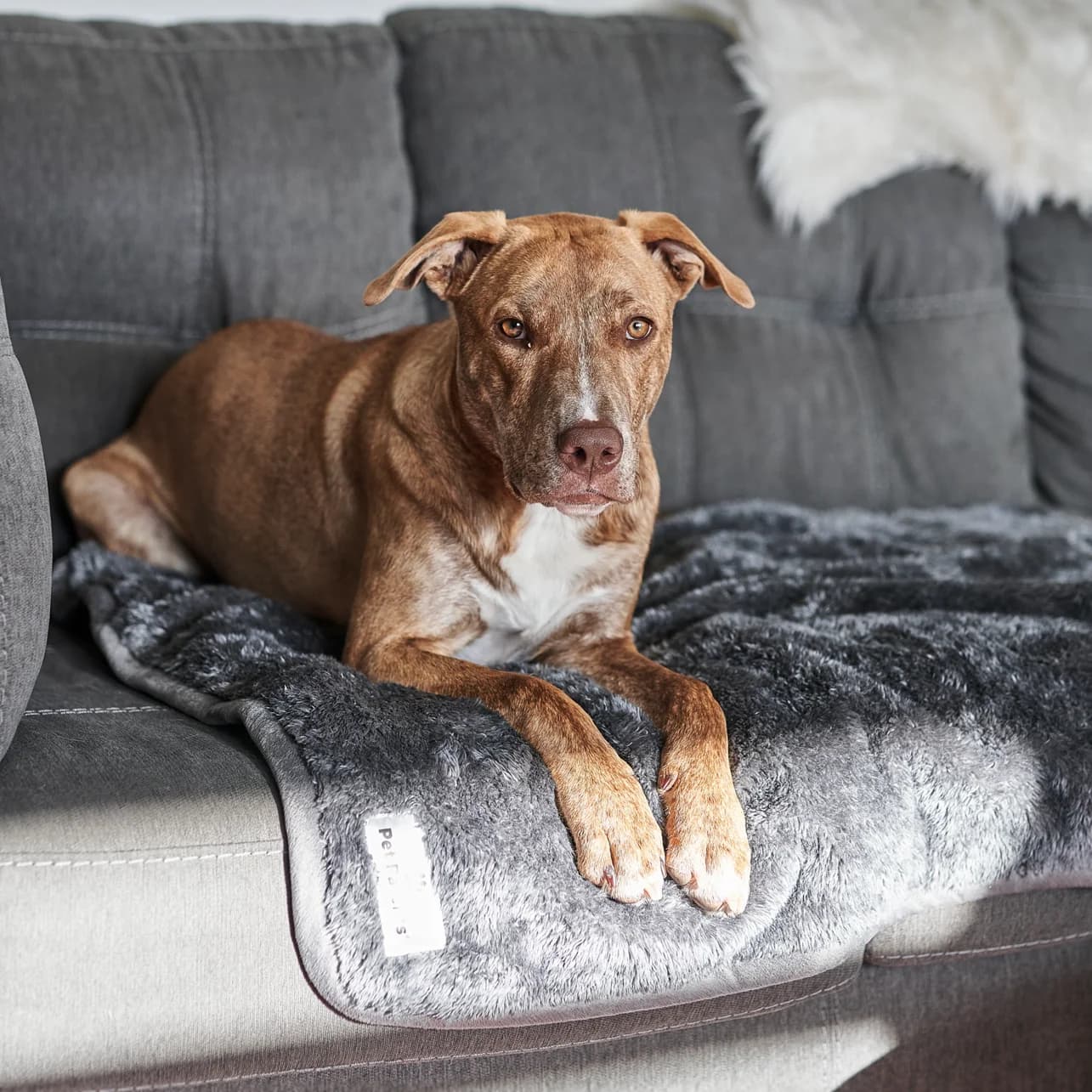
Pet Parents' Pawtect Blanket is the most purpose-built option here for routine accident management. The maker describes a fully waterproof hidden barrier, Sherpup plush, WickQuick moisture movement, triple-stitched seams, LockJaw clamps, and an EdgePawtector design intended to keep liquid in the blanket rather than on the protected surface. Four nominal sizes and two colors were orderable, and the selected Small started at a low $14.99. The exact page also supplies a strong product-specific rating signal and a product-hosted video, although the current site supports only YouTube or Vimeo embeds, so that MP4 must remain a research note. Brand terminology should not be read as independent laboratory proof or a chew-proof guarantee. Choose enough surface area for the likely accident zone, place the blanket flat, inspect seams and edges regularly, and seek veterinary advice when new or worsening incontinence, vomiting, diarrhea, pain, or mobility changes appear.
Read a waterproof blanket as a layered system. The dog-facing textile affects warmth, drying time, hair retention, and comfort; the inner membrane or coating does the liquid-blocking work; the underside affects grip and how easily grit shakes away. Plush faux fur and sherpa feel cozy but can trap burrs, sand, and water and may dry slowly. Smooth polyester can pack smaller and release dirt more readily but may slide or feel less insulating. Check whether the waterproof claim applies to a hidden membrane, a coated face, or both, and whether seams and binding are described as sealed. Liquid can travel around an unsealed edge even when the center panel stays dry. The Pet Parents Pawtect Waterproof Premium Blanket is an inline example of a product that documents its barrier and care routine; those claims belong only to that model. Also consider crinkle noise, odor after storage, claw resistance, and whether both faces are intended for use. Never leave a fabric blanket unattended with a dog that tears or swallows textiles.
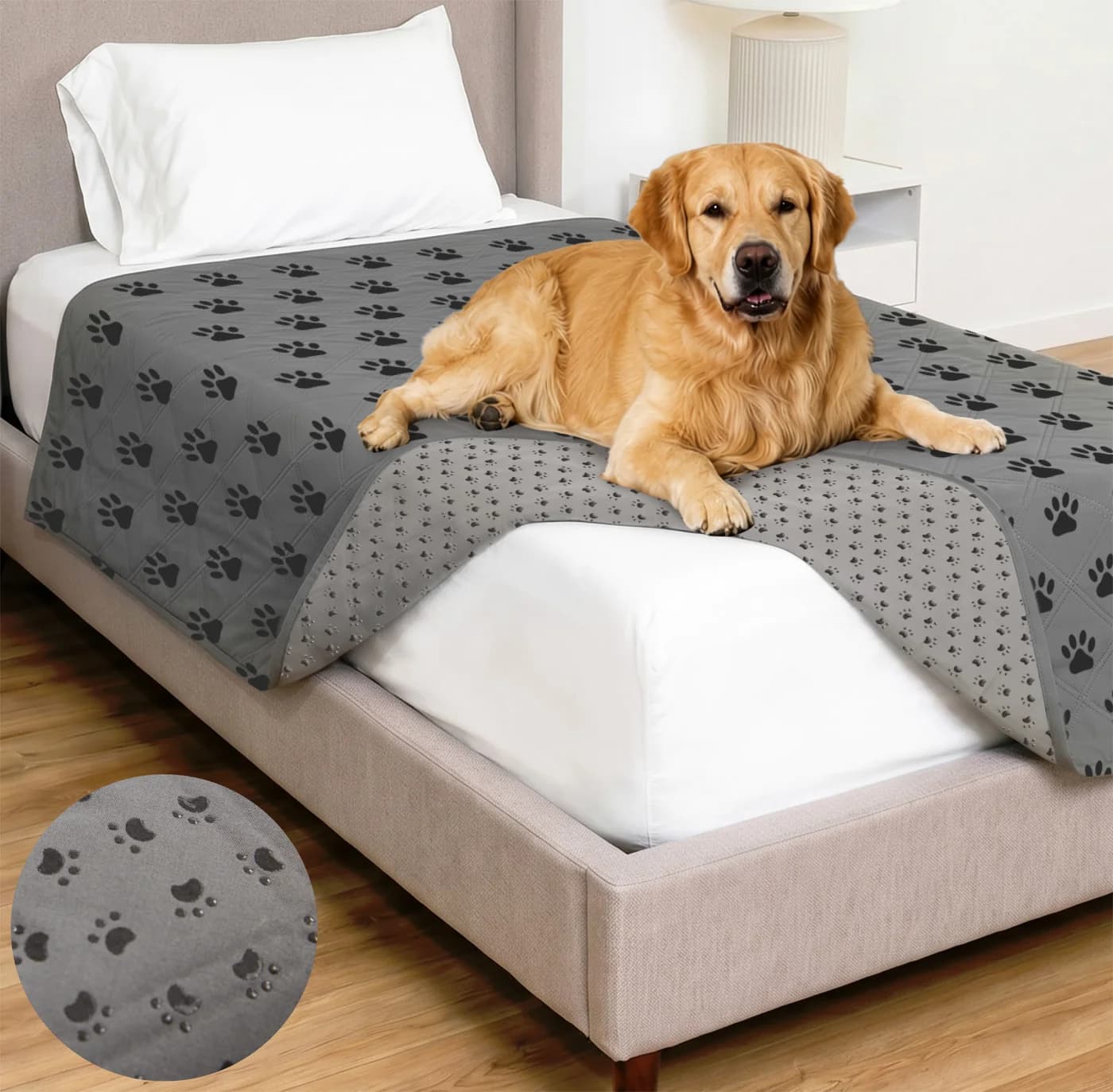
Gorilla Grip
Gorilla Grip's Waterproof Pet Blanket stands out for staying in place. The official page documents a five-layer design with a tear- and fade-resistant quilted top, two padding layers, a waterproof TPU fourth layer, and a fifth layer covered in non-adhesive silicone grip dots. A leakproof edge is intended to contain liquid on the blanket, while the selected 52-by-82-inch surface is large enough for many couches, beds, crates, cargo areas, and vehicle seats. The exact variant was orderable and had nine matching official images plus a product-hosted video, but the current site cannot embed that MP4. Public review evidence is also less clean than the leaders because the useful 308-rating Walmart signal covers a product family across sizes and colors. Grip dots help reduce movement but cannot guarantee the blanket will stay put on every upholstery material, and user reports do not replace independent waterproof testing. Check fit, overlap, seams, and backing before each trip, and do not treat the blanket as a restraint, crash protector, or temperature-control device.
Set up the blanket at home on the same surface you will use outdoors: a cargo liner, fabric seat, crate tray, tent floor, or sleeping pad. Keep the dog away while you flatten it, then inspect each edge and corner. A backing that grips upholstery may behave differently on nylon, dusty ground, or plastic. The GORILLA GRIP Waterproof Pet Blanket is shown as a grip-focused example, but it still needs a real-surface test and is not a vehicle restraint or substitute for a secured crate. Invite the dog onto the setup and watch several cycles of standing, circling, light digging, lying down, and getting up. Stop if the blanket folds into a ridge, moves toward an open door, catches a nail, or interferes with mobility. At camp, place it only where pets are permitted, away from stoves, fire, sharp branches, standing water, and wildlife food storage. Keep the dog under control and pack out pet waste as well as every piece of damaged fabric.
A dry blanket helps only after the dog’s immediate condition is addressed. After rain, swimming, or a cold crossing, move to shelter, towel the dog thoroughly, check paws and skin, and replace any soaked wearable layer. Do not wrap a dripping dog in a waterproof throw and assume the problem is solved; trapped moisture can keep the coat wet, while a furniture blanket may provide little insulation from cold ground. National Park Service guidance emphasizes changing outdoor conditions, and ASPCA cold-weather guidance recommends drying pets promptly after wet exposure and providing a warm resting place. Watch the individual dog rather than the temperature alone. Small, short-coated, senior, young, lean, medically fragile, or exhausted dogs may cool faster, and wind or wetness can change risk quickly. Persistent shivering, weakness, confusion, slowed movement, pale gums, breathing changes, collapse, or failure to get comfortably warm requires prompt veterinary guidance. Use the blanket only as one layer within a sheltered, dry sleep and recovery plan.
Start with the sewn label and current manufacturer care page because heat and chemicals accepted by one blanket can damage another membrane, coating, adhesive, faux fur, or non-slip backing. After a routine outing, shake or brush off dry grit and hair outdoors, then spot-clean fresh mud as directed. For machine-washable models, use the specified temperature, cycle, detergent amount, and load size; a bulky waterproof layer may hold water and unbalance a small washer. CDC guidance says soft pet items such as blankets can be machine washed and dried when no product instructions are available, but it also says to follow item-specific directions first. Do not assume bleach, disinfectant, fabric softener, dryer sheets, stain remover, high heat, or dry cleaning is safe. If the blanket contacted urine, feces, vomit, infectious illness, or a hazardous substance, separate it from clean gear, wash hands after handling, and ask a veterinarian or manufacturer when ordinary laundering may not be enough. Rinse away detergent and dry every layer completely.
A waterproof layer keeps rain from entering but can also slow evaporation when folded wet. On the trip, shake away loose dirt, wipe the usable face, and give the blanket as much air time as weather and campsite rules permit. If it must be packed damp, place it in a dedicated waterproof sack or washable bin away from food, medication, electronics, dry bedding, and clean clothes. This is temporary transport, not storage. Unpack it as soon as you reach shelter, open every fold, and dry both faces, binding, and seams. Rewash if mud, salt water, urine, or odor remains. Do not drape gear over vegetation, leave fibers or rinse water at camp, or use soap near lakes and streams. At home, store the blanket clean and fully dry in a ventilated place without heavy objects creasing the barrier. Open it before the next trip to find trapped odor, tacky coating, mildew, delamination, or a damp seam before the dog needs it.
Inspect the blanket under bright light before and after each trip. Follow the binding and seams with your fingers, flex the material gently, and look for punctures, loose threads, peeling coating, separated layers, hardened folds, exposed membrane, melted areas, or crumbling grip material. Perform only a manufacturer-approved leak check; pouring one cup of water on the center does not prove laboratory waterproofness. Repair a defect only when the maker gives a safe method, and retire the blanket when damage exposes fill or membrane, admits liquid, creates a snag, or produces pieces a dog could swallow. The American College of Veterinary Surgeons lists clothing and other nondigestible objects among materials that can obstruct a pet’s gastrointestinal tract. Dogs that shred, suck, or ingest fabric need direct supervision and may require a different resting setup. Repeated vomiting, loss of appetite, abdominal pain, lethargy, straining, or suspected fabric ingestion calls for prompt veterinary contact. The blanket’s useful life is over when it cannot provide a clean, stable, intact layer without creating a new risk.
We used these primary or authoritative references when checking this guide. Product instructions and local rules can change, so confirm details that affect your trip.
Yes. It explains the main decision points in plain language and links to relevant product reviews when published options are available.
No. Prices, coupons, stock, and shipping terms can change. Confirm the current offer on the retailer page before checkout.
Related content