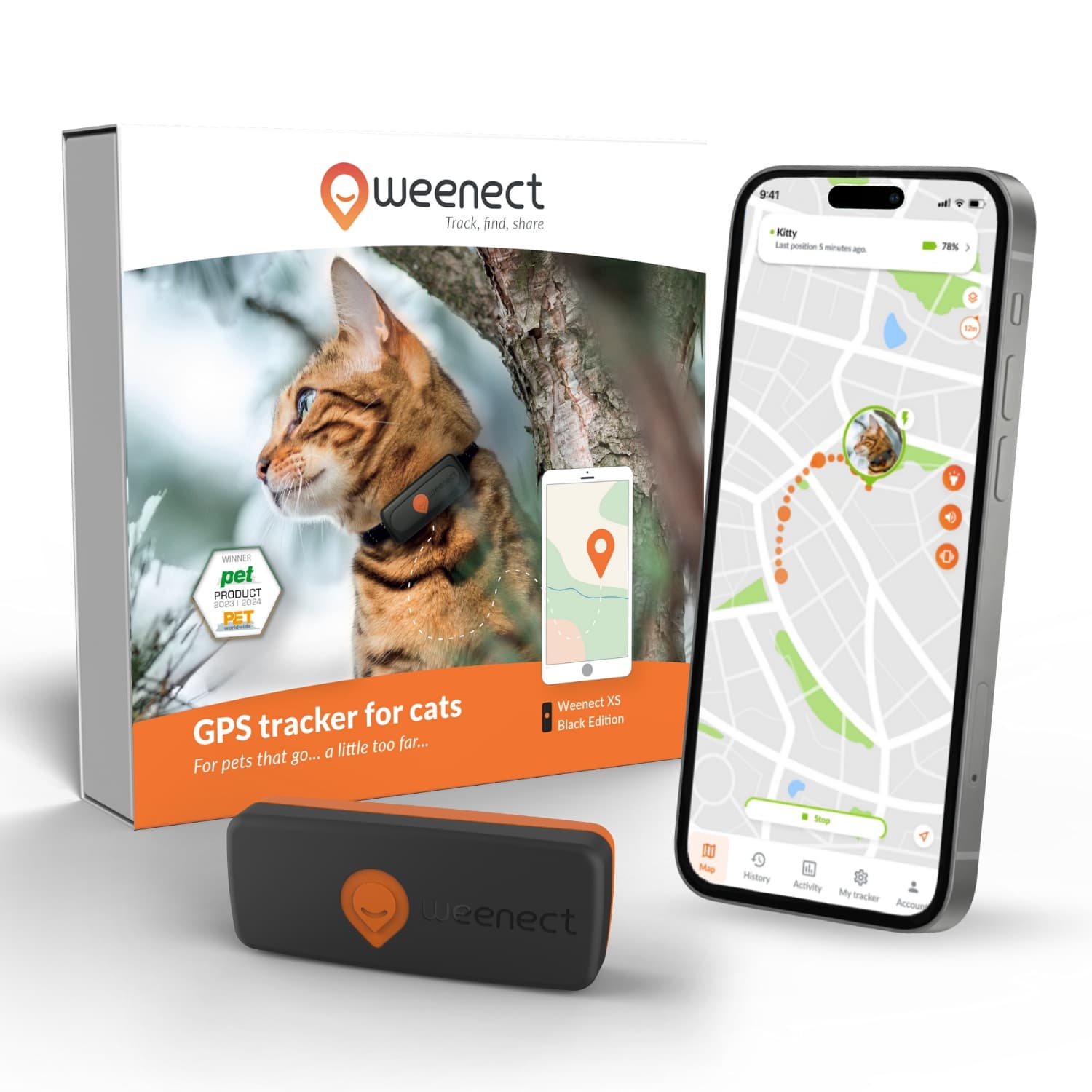
Compare pet GPS plans by supported countries and networks, total prepaid cost, renewal terms, live-update behavior and tested battery life instead of relying on a coverage slogan or maximum-runtime claim.

Begin with the situations the tracker must cover, not with the cheapest monthly number. List the pet, body weight, collar or harness, escape history, home address, daily walking area, regular boarding location, road-trip corridors, trailheads, campgrounds, and any countries you expect to visit. Decide whether you need a boundary alert at home, occasional last-known positions, several hours of live recovery tracking, shared access for family, or a downloadable location history. Those are different workloads. A plan that works for a dog around one suburb may fail the same buyer on an international trip or remote trail. Record the phone platforms and languages the household uses too. Then turn the list into pass-or-fail requirements: supported pet size, supported territory, network availability at critical places, acceptable update interval, minimum live-session endurance, and a total cost you can sustain for the years you expect to use the device.
A cellular pet tracker is its own network device. Identify the exact model's radio technology, supported countries, roaming policy, carrier partners, and whether an active plan is mandatory. Your phone and tracker may use different operators. Fi, for example, says its Series devices use AT&T LTE-M while Fi Mini uses Verizon LTE-M, and that the owner's phone can use any carrier. In the United States, compare the relevant operator on the FCC National Broadband Map as well as the brand's coverage page. The FCC explains that its mobile polygons are provider-reported propagation models for outdoor stationary or in-vehicle use, not indoor coverage. Terrain, device characteristics, capacity, and real conditions can differ from the map. A generic LTE or worldwide label is therefore insufficient. Check each home, destination, route gap, and border crossing, then ask the manufacturer which network and bands the specific hardware uses there.
Separate the hardware price from service. For every plan, record the activation charge, included trial, billing interval, amount charged today, effective monthly cost, minimum commitment, renewal price, taxes, cancellation process, refund window, pause option, replacement or loss program, and cost for an additional tracker. A low monthly figure may require two or five years paid in advance. A flexible monthly plan can cost more over a year but reduce commitment. Plan names also hide feature differences: worldwide roaming, family sharing, longer history, exports, health features, premium support, or device replacement may sit behind a higher tier. Tractive's official plan page, for example, states that subscription price is separate from the tracker and distinguishes its plan lengths and Premium features. Treat any current price as dated evidence, because brands can change offers. Save the checkout summary and terms before paying, and calculate first-term and renewal totals rather than multiplying the headline monthly equivalent alone.
The word real-time does not describe one universal interval. Find the documented cadence for normal tracking, movement, low-power mode, boundary checks, and live or lost mode. Tractive currently documents positions every 2 to 60 minutes in default mode depending on activity and settings, versus every 2 to 3 seconds in LIVE Tracking; other brands use different schedules. Ask how long live mode remains active, whether it stops automatically, and whether the app can immediately restart it. A virtual fence alert is also not a physical barrier. Detection can wait for the tracker to wake, obtain a position, recognize the boundary crossing, reach the cellular network, and deliver a push notification through the phone's settings. Measure that delay during a controlled test. Check whether the app shows a timestamp and accuracy circle, because an old or uncertain map point should never be mistaken for the pet's current exact position.
Do not record only the largest number on the product page. Build a table for battery life in ordinary away-from-home use, continuous or repeated live tracking, time inside a Wi-Fi or Bluetooth power-saving zone, weak cellular coverage, weak satellite view, cold weather, and the alert threshold at which you would start charging. Tractive says its actual runtime changes with model, cellular and GPS quality, movement, power-saving zones, low-power settings, and LIVE Tracking; its longest figures are not continuous live-mode figures. The same principle applies even when another brand advertises weeks or months. Some products reach that number mainly while near a base, phone, Wi-Fi network, or in a mode that reports infrequently. Establish a charging routine with margin, carry the correct cable on trips, enable low-battery notifications, and test the maximum live-recovery period you require. A powered-off tracker has no coverage regardless of the map.
Coverage and price do not matter if the device is unsafe or will not stay attached. Use total worn weight, including the mount, case, collar segment, or harness adapter, and follow the manufacturer's minimum pet-weight and attachment instructions. Check whether a cat model uses an appropriate safety-release collar and whether releasing the collar would also lose the tracker. Inspect the mount for rotation, chewing, trapped hair, rubbing, and repeated impacts. Water-resistance ratings apply under stated laboratory conditions and do not automatically cover every depth, duration, saltwater exposure, damaged seal, or charging-port condition. Review operating temperature, charging time, replacement mounts, and whether the light or sound can be activated safely. Introduce the device gradually indoors and inspect the skin after short sessions. If sizing or a medical condition creates doubt, ask a veterinarian rather than improvising a heavier or non-releasing attachment.
Activate the exact paid plan and test the system while you can still return it. Fully charge the tracker, update firmware, confirm the app's location and notification permissions, and invite any approved family members. Walk or drive a controlled route through the home boundary, neighborhood, a known weak-signal point, and a representative outdoor destination while another person watches the app. Record time to first position, boundary-alert delay, default-update gaps, time to enter live mode, apparent accuracy, reconnection after a dead zone, battery consumed, and whether every phone receives alerts. Fi itself recommends testing GPS and LTE-M capability with Lost Mode after purchase. Repeat indoors only to understand limitations, not to prove outdoor coverage. Test again after major app, firmware, plan, or network changes. Keep screenshots with timestamps and contact support during the return period if behavior differs materially from the published requirements.
Score each candidate against the same evidence: critical-location coverage, update behavior, tested live endurance, safe fit, first-term cost, renewal cost, sharing, history, support, and exit terms. Mark unknowns as unknown rather than awarding credit. Reject a model when the maker will not identify supported territory, required subscription, or meaningful update behavior. After purchase, review billing and coverage before every major trip and at least annually; mobile networks, roaming arrangements, prices, and product services change. Keep firmware current, inspect the mount, charge on a schedule, and make sure another household member can access the app. Finally, preserve non-electronic recovery layers. The AVMA notes that a microchip is identification rather than GPS, so keep its registry details current and pair it with a visible ID tag, recent photo, secure carrier or leash, and a written lost-pet contact list. No subscription converts an electronic tracker into guaranteed recovery.
We used these primary or authoritative references when checking this guide. Product instructions and local rules can change, so confirm details that affect your trip.
Yes. It explains the main decision points in plain language and links to relevant product reviews when published options are available.
No. Prices, coupons, stock, and shipping terms can change. Confirm the current offer on the retailer page before checkout.
Related content